
Chicken Permits
Chicken Permits
Overland Park residents can apply for a permit to raise chickens at single and two-family residences. The number of chickens allowed is based on lot size. The Johnson County AIMS mapping tool can help you determine the size of your property.
| Number of Acres | Square Footage | Number of Chickens Allowed |
| 0.20 – 0.49 | 8,712 – 21,344 | 3 |
| 0.5 – 0.99 | 21,780 – 43,124 | 6 |
| 1 – 3 | 43,560 – 130,680 | 12 |
| 3+ | Unlimited |
Per City ordinance, chickens are allowed on any property larger than three acres without a permit.
Address
City Hall
8500 Santa Fe Drive
Permit Contact
City Clerk’s Office
913-895-6150
Regulations Contact
Planning + Development Services
913-895-6217
Applications + Site Plan Requirements
A permit costs $100 for the first year and $50 for each renewal.
To be approved, residents must prove they can adequately care for chickens and raise them in a sanitary location. They must also ensure the chickens will not cause any health, safety or nuisance issues, which includes smell and noise.
Apply for a chicken permit online or in person at the City Clerk’s counter at City Hall.
All permits must include a site plan that details the following requirements:
- Total square footage and location of the chicken enclosure and run
- Backyard and perimeter fencing (additional fencing will be required if the backyard is not fully enclosed)
- Distance of the enclosure and run from the rear and side property lines
Residents are encouraged to check with homeowner associations before applying for a permit.
Chicken Permits are issued for one year from the date of approval.
Restrictions
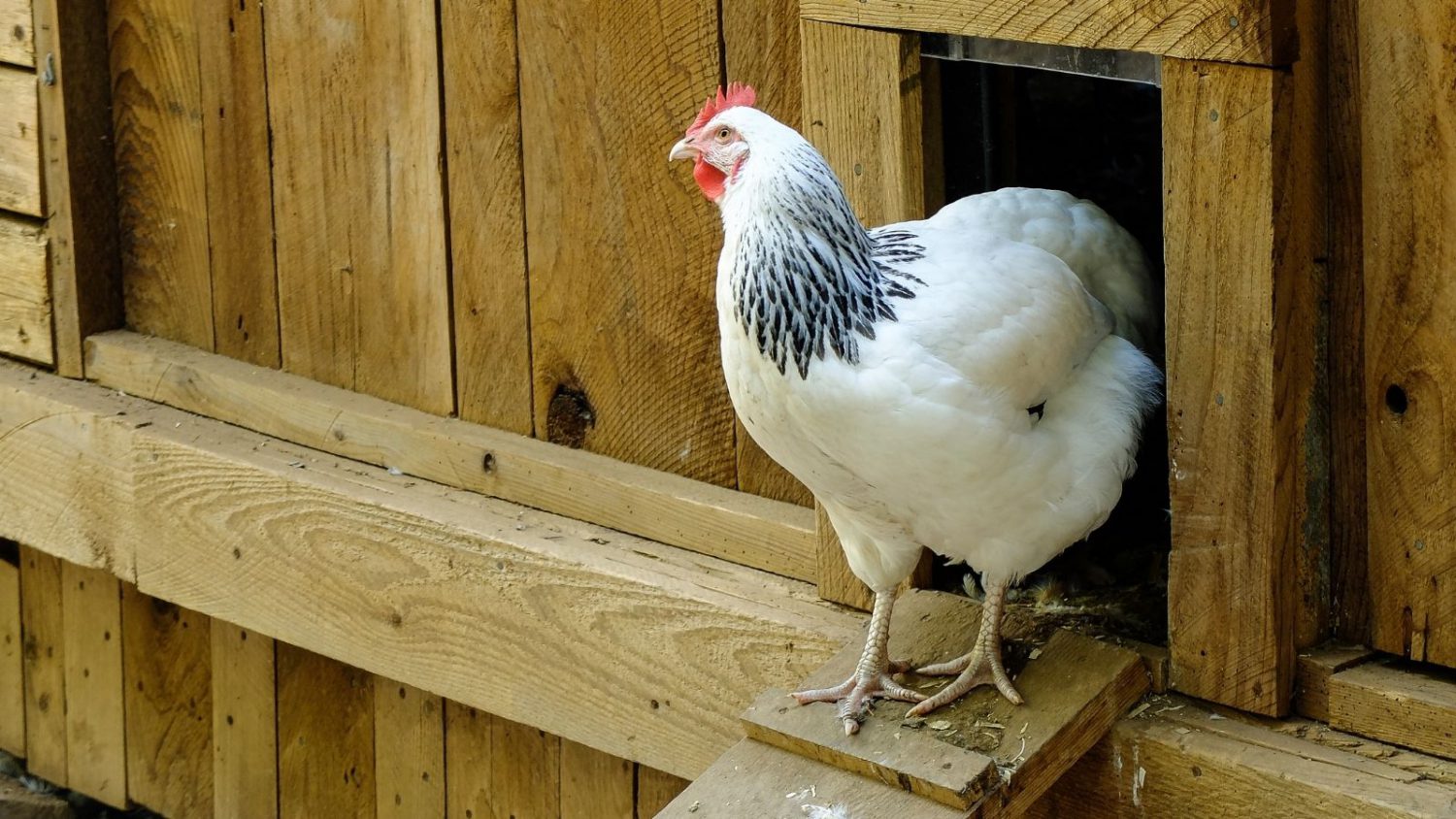
- Chickens must be kept in the backyard and are not allowed in the front or side yard.
- Coops must be placed within a specific distance from property lines and homes.
- A fence must surround the well-ventilated chicken coop and must be approved by Animal Control. Chickens must be kept in the coop when the resident is not present.
- Hens are allowed. Roosters are not allowed on properties less than 3 acres.
- Other farm animals, such as ducks, pigs and goats, are not allowed.
Find a complete list of chicken requirements, including location, safety and permitting standards, under the approved Ordinance No. DAC-3435.
Best Practices
Ensure the safe-keeping of residential chickens by following these best practices provided by Animal Control.
- Wash or sanitize hands after handling chickens, eggs, feed and water, and after cleaning the coop.
- Collect eggs two to three times a day and wash them in lukewarm water. Store eggs in the refrigerator and discard any that are broken or cracked.
- Keep chicken feed in a dry area that is off the ground and airtight.
- Provide chickens with fresh water daily and ensure they have a safe nesting area in the coop each night.
- Place a roof or chicken wire over the coop, and bury hardware around the perimeter to keep predators out.