Public Information Meeting: 175th Street, 179th to Antioch Road Improvements
When
February 24, 2026
5:30 pm - 7:00 pm
Location
Matt Ross Community Center

Each year, the City completes several public road construction and improvement projects. These projects create safer streets with improved traffic flow and streamline maintenance of public property.
Occasionally, projects will cause some traffic delays and temporary disruptions. This page contains details about street, bridge, stormwater, and other projects that may impact traffic.
The Kansas Department of Transportation’s 69 Express project will add a new express toll lane in each direction adjacent to the existing general-purpose lanes to increase safety and improve congestion in the area. The express lanes will open to traffic in 2026.
The design and construction of these projects, such as thoroughfares, residential streets, bridges, traffic signals and storm water drainage, are paid for with money dedicated to the Capital Improvements and Maintenance Program.
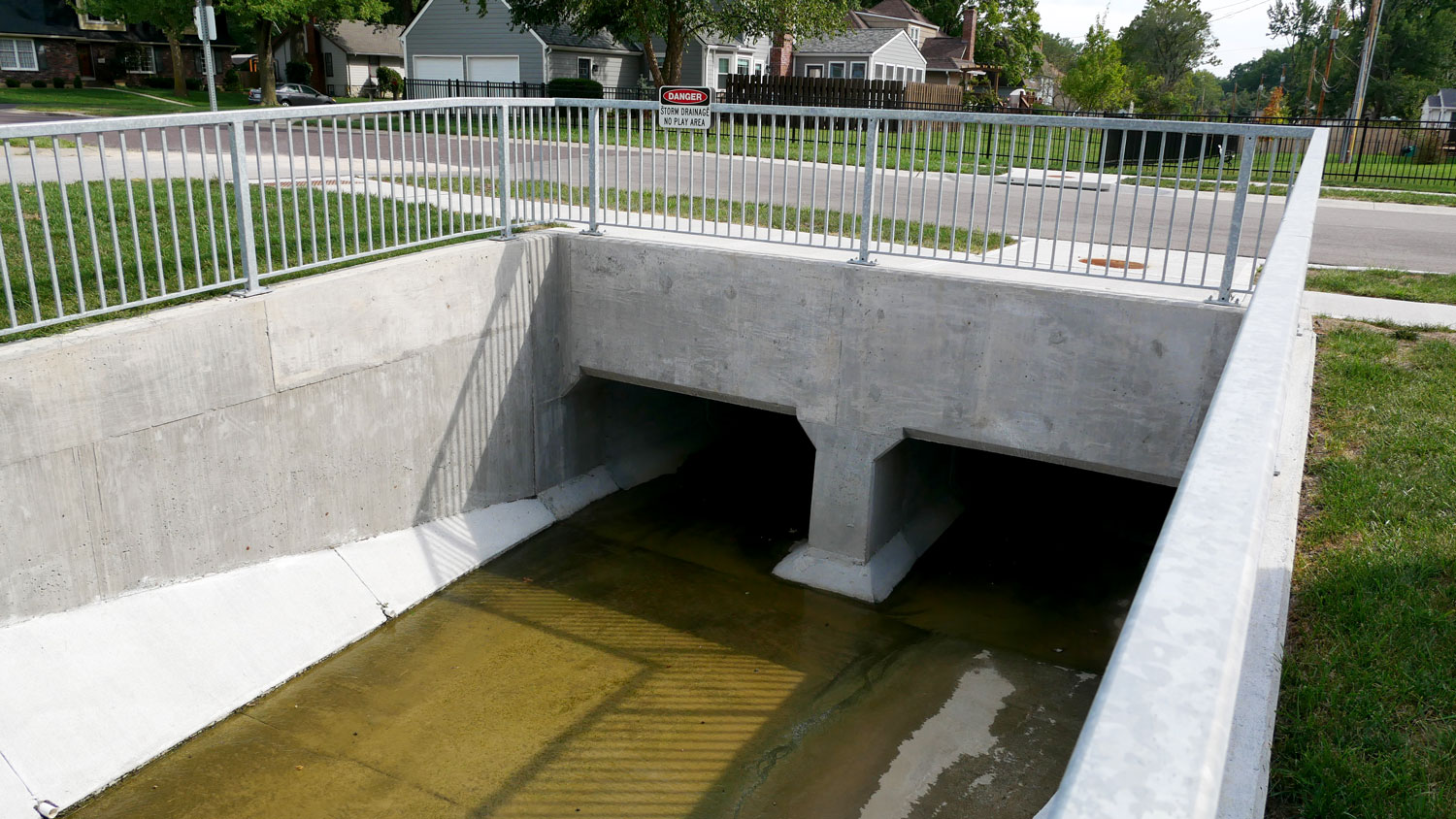
This project is complete!
This project repaired and replaced aging and deteriorating storm sewer infrastructure at the following locations:
Project Manager: Jessica Tran, P.E., 913-895-6093, [email protected]
Community Engagement: The City held a public information meeting on February 8, 2024, at the Myron E. Scafe Building. The City held a second public information meeting on September 26, 2024 at the Myone E. Scafe Building.
Schedule: This project is complete!
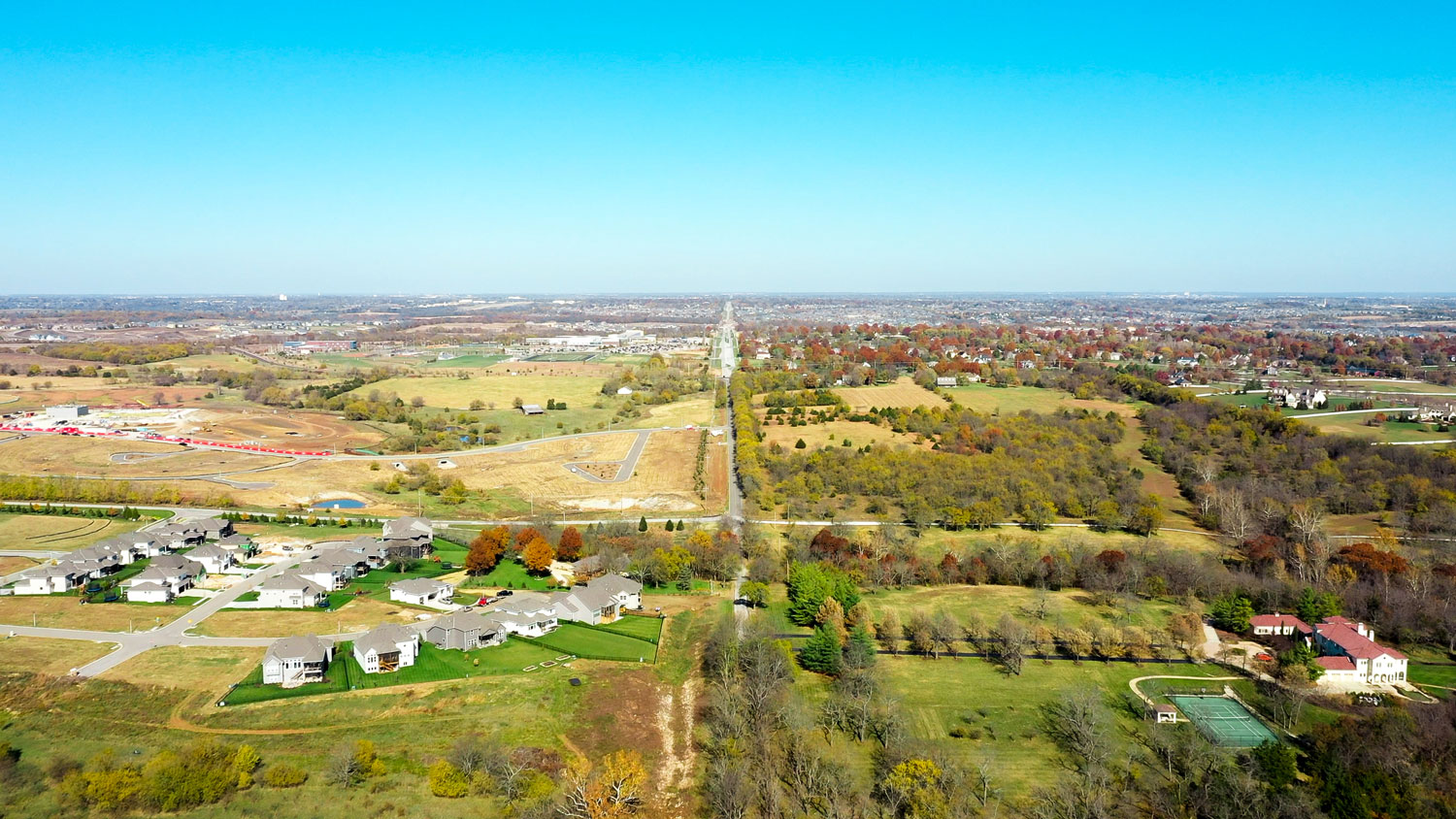
This project will construct two bridges connecting Quivira Road from 183rd to 187th and reconstruct Quivira Road from 179th to 183rd. The new roadway will include a two-lane undivided road with a shoulder, bike lane and a roundabout at 179th Street. A multi-use trail, street lighting, curb and gutter, storm sewers and landscape restoration are also included.
This project is partially or fully funded by the OP Moves sales tax.
Project Manager: Jessica Tran, 913-895-6093, [email protected]
Community Engagement: The City held a third public meeting for the project on January 21, 2025.
Schedule: Construction began in spring 2025 and is scheduled to conclude in late fall 2026.
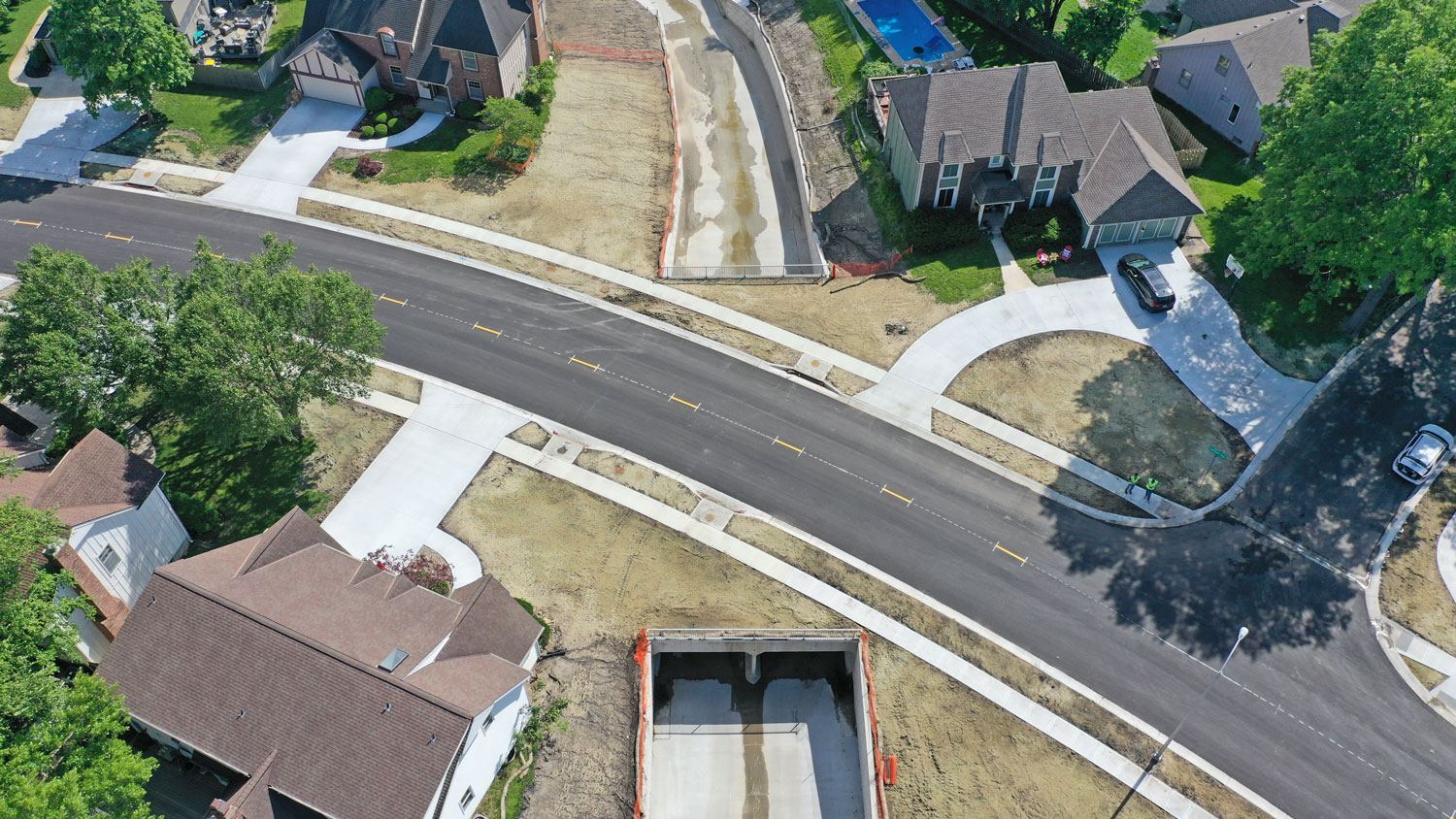
This project is a continuation of a previous storm drainage improvement project. It will alleviate street and structure flooding and includes the replacement of the existing ditch liner, road, storm sewer improvements and relocation of several utilities. The improvements will be from 99th Terrace to 97th Terrace between Knox Drive and Connell Drive.
Project Manager: Jonathan Daldalian, 913-895-6123, [email protected]
Community Engagement: The City held a second public meeting for neighbors and Overland Park residents on September 26, 2024, at the Myron E. Scafe Building. A final public meeting was held on September 23, 2025, at the Myron E. Scafe Building.
Schedule: Construction began in September 2025 and will conclude in November 2026.
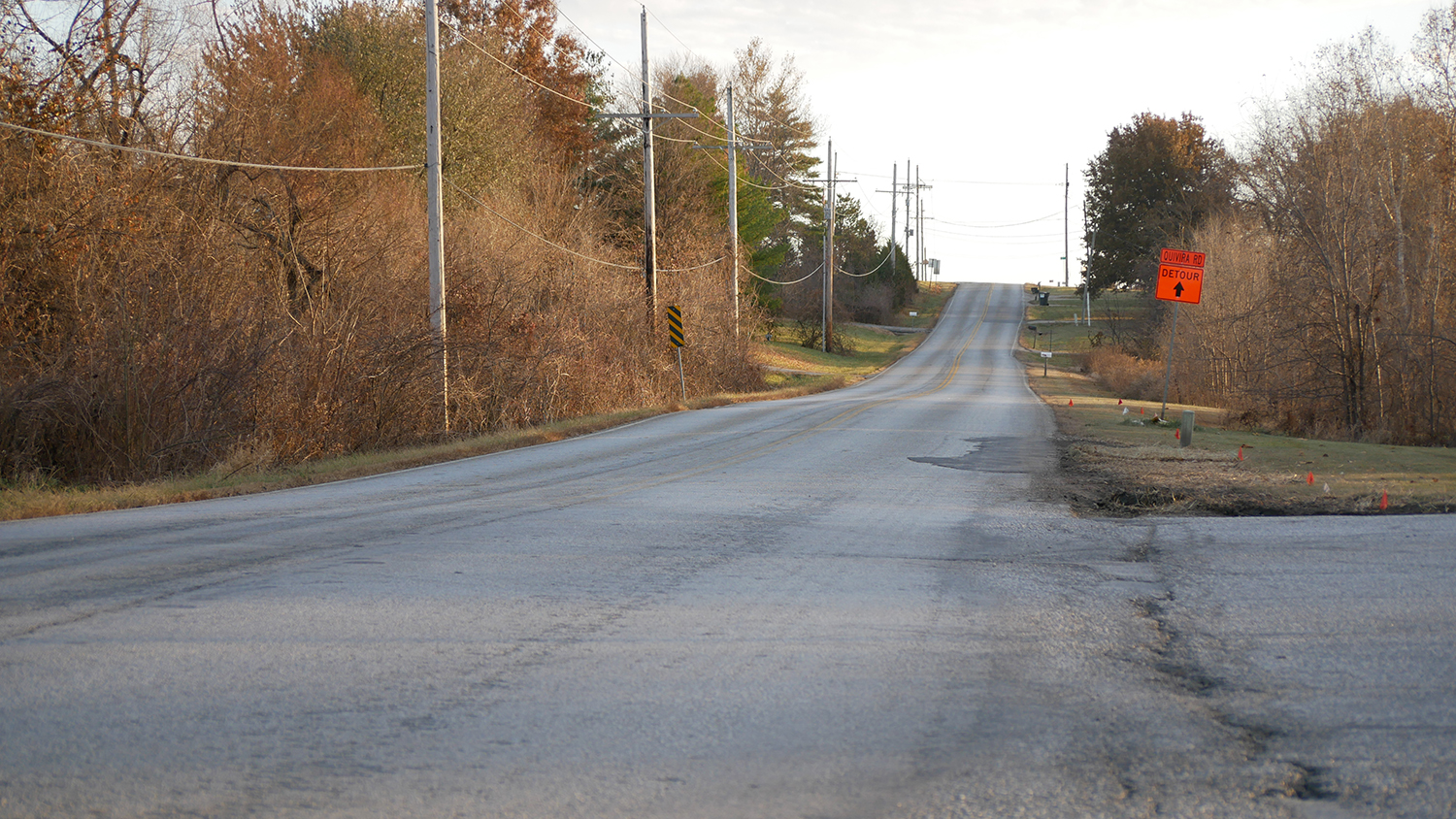
The City will reconstruct Switzer from 167th to 179th Street to an improved two-lane thoroughfare, including two new roundabouts at 175th Street and 179th Street. The project will include a new bridge over Coffee Creek, sidewalk, multi-use trail, bike lane, street lighting, curb and gutter, and storm sewers.
This project is partially or fully funded by the OP Moves sales tax.
Project Manager: Joel Buffington, 913-895-6014, [email protected]
Community Engagement: The City held a public information meeting on Dec. 11 at the Overland Park Arboretum & Botanical Gardens. The City held a second public meeting on September 10, 2024 at LongHouse Visitor Center.
Schedule: Construction is scheduled to begin in early 2026.
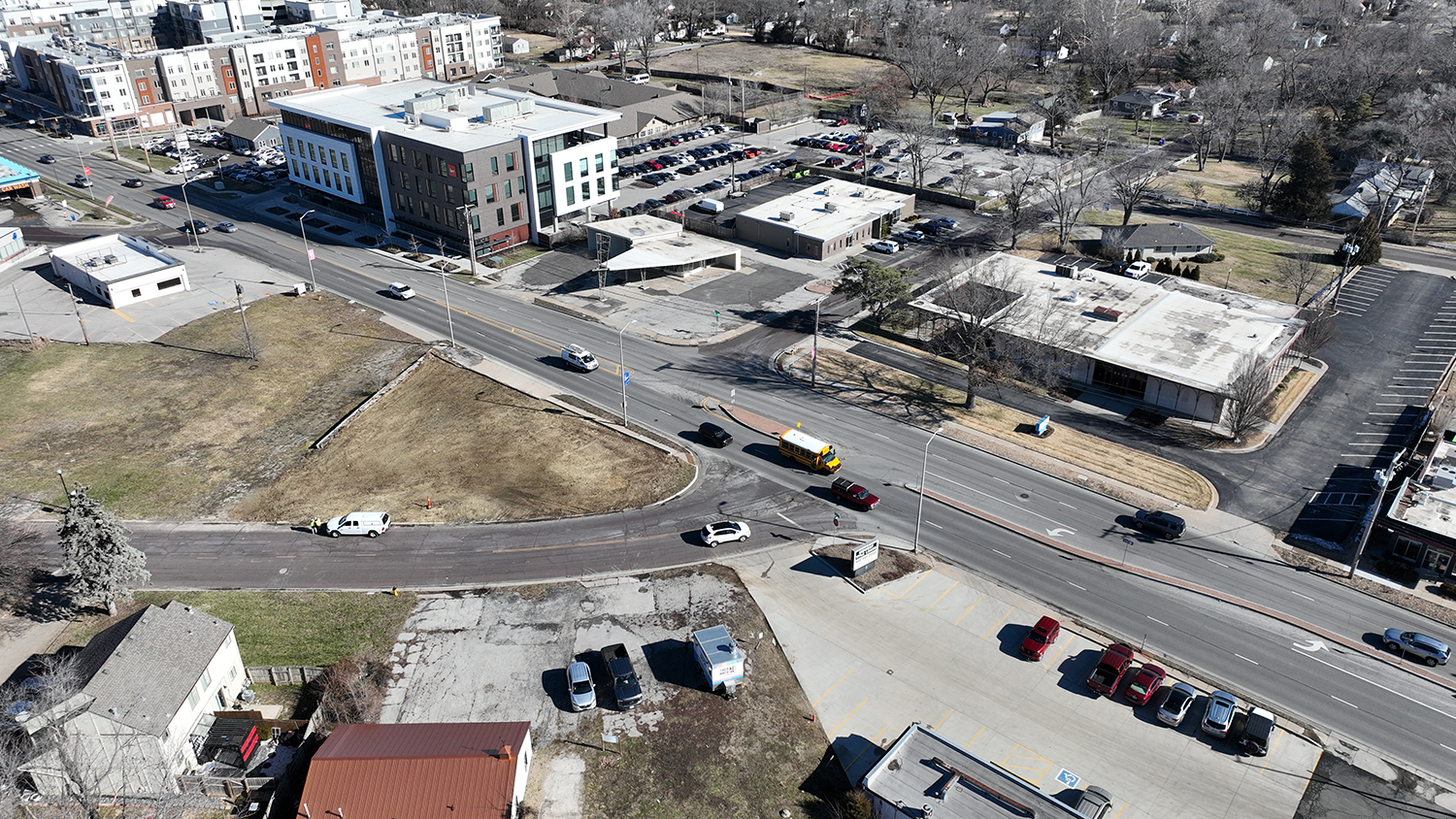
This project will realign Marty Street with 82nd Street at Metcalf Avenue. In addition to the realignment, northbound and southbound left turn lanes will be added on Metcalf Avenue and sidewalks will be constructed.
Project Manager: Becky Bonebrake, 913-895-6008, [email protected]
Community Engagement: The City held an open house on Jan. 23, 2024 at Matt Ross Community Center.
Schedule: Construction is scheduled to begin in fall 2026.
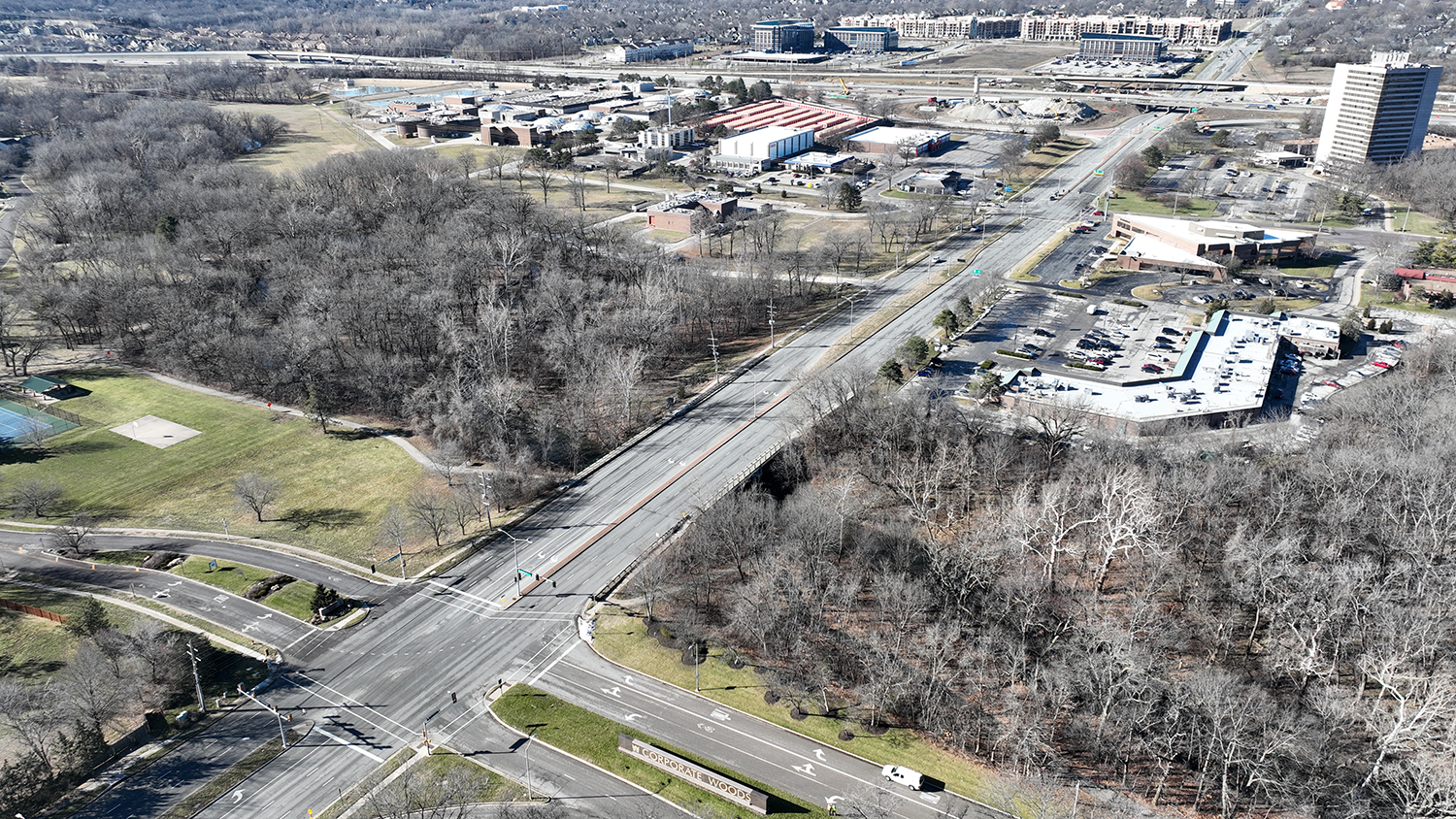
This project includes the construction of a new bridge on College Boulevard over Indian Creek between Mastin Street and Indian Creek Parkway/Grant Drive. The six-lane section of the current bridge will be replaced and bike/hike lanes will be added on both sides.
This project is partially or fully funded by the OP Moves sales tax.
Project Manager: Joel Buffington, 913-895-6014, [email protected]
Community Engagement: The City held open house informational meetings on February 8, 2024 and July 8, 2025 at Tomahawk Ridge Community Center.
Schedule: Construction began in fall 2025 and will conclude in summer 2026.
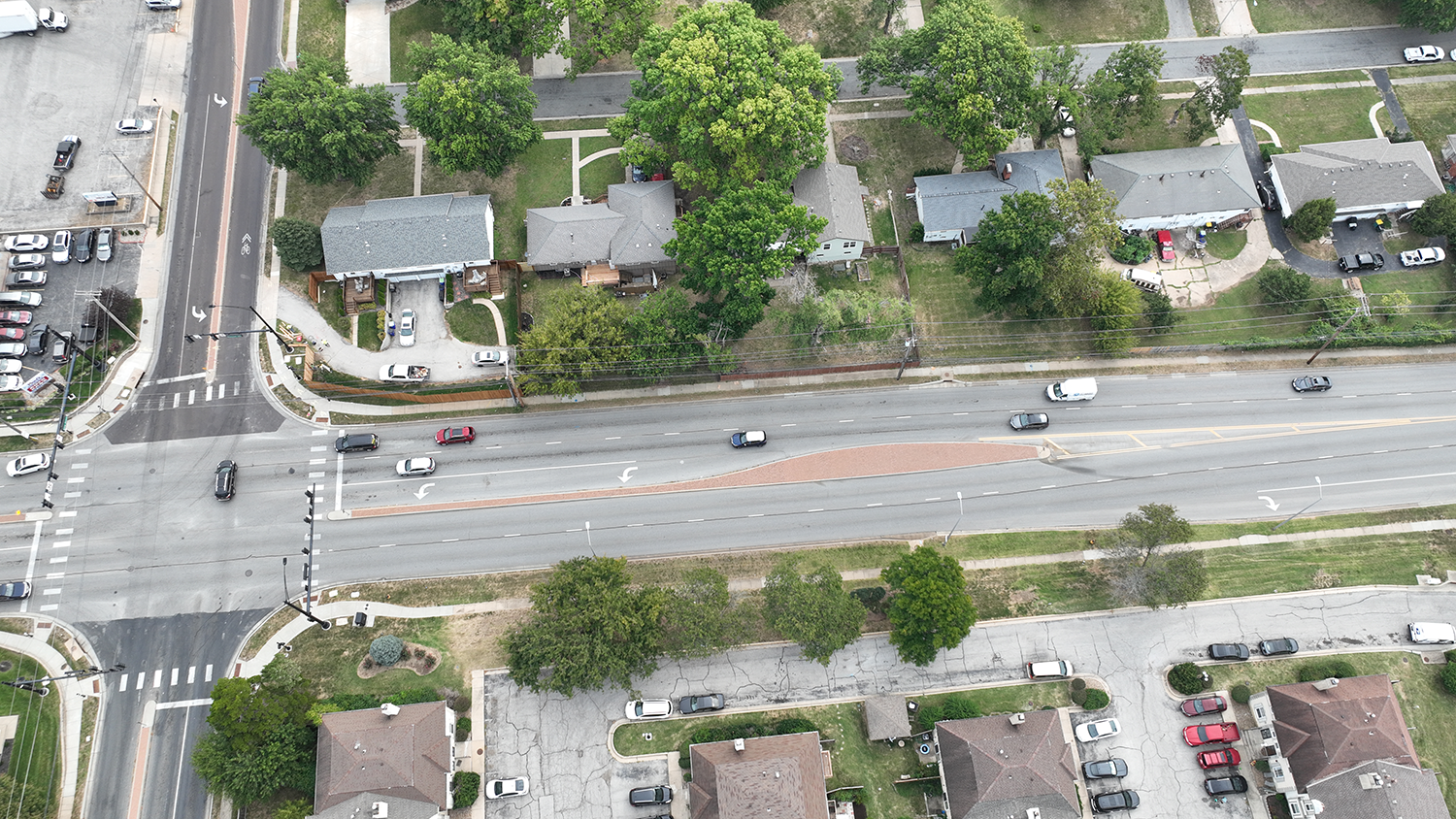
This project consists of the construction of a bike/hike trail along the east side of Metcalf between 83rd Street and 87th Street.
Project Manager: Tania Tavakkoli, P.E., 913-895-6139, [email protected]
Community Engagement: The City held a public information meeting on November 13, 2024. The City held a second public meeting on February 27, 2025 from 5:30-7 p.m. at Matt Ross Community Center.
Schedule: This project is scheduled to begin early in 2026.
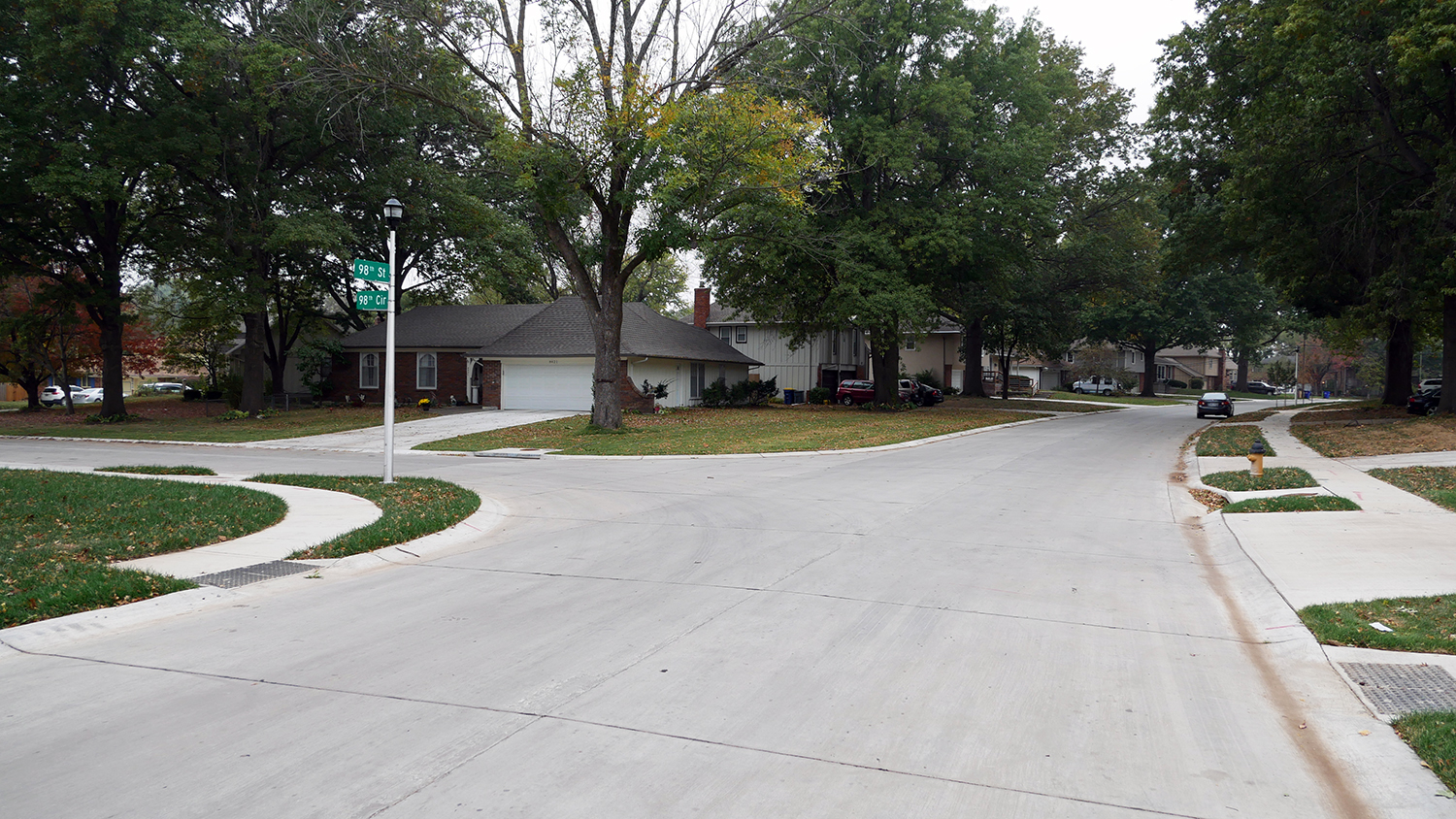
This project consists of the replacement of existing asphalt pavement with concrete streets as well as the replacement of curbs, sidewalks, storm inlets and street lighting in the Moody Hills and Southdale neighborhoods.
This project is partially or fully funded by the OP Moves sales tax.
Project Manager: Andrew O’Connor, 913-895-6016, [email protected]
Community Engagement: The City of Overland Park held a public meeting to discuss the 2025 ARPA Neighborhood Street Reconstruction Project on Dec. 9, 2024.
Schedule: Construction is underway with an estimated completion of winter 2025.
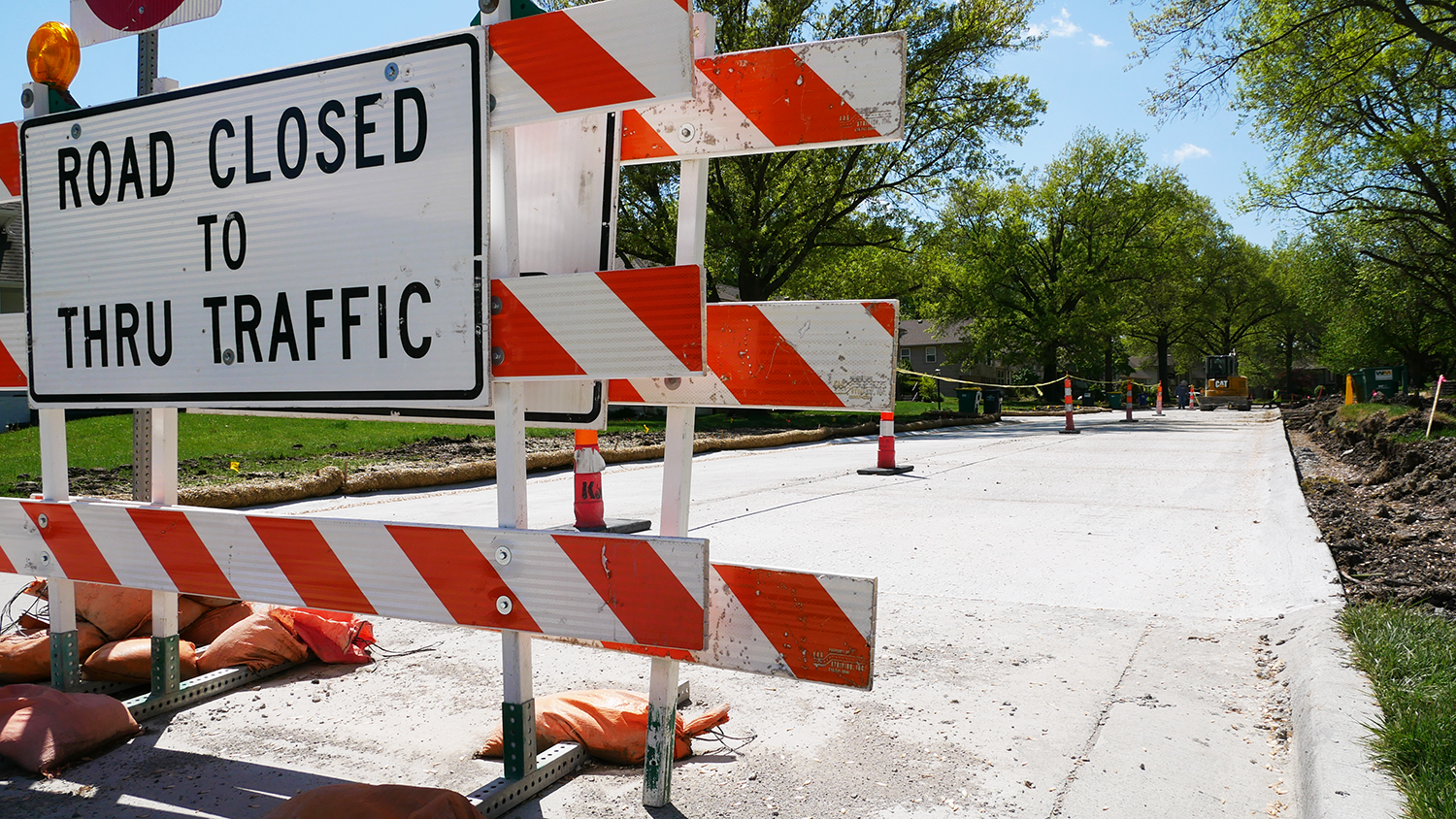
As part of the 2026-2027 Neighborhood Street Reconstruction Project, the City will upgrade streets in the Wycliff neighborhood, replacing asphalt with concrete.
The project adds a four- to six-foot parkway between the curb and a new four-foot sidewalk, with LED post-top streetlights on one side. Crews are also improving stormwater drainage by installing new inlets and concrete pipes to better manage runoff.
Project Manager: Andrew O’Connor, 913-895-6016, [email protected]
Community Engagement: The City held its second public meeting on August 26 to discuss the project design.
Schedule: Construction is scheduled to begin in spring 2026 and conclude in fall 2027.
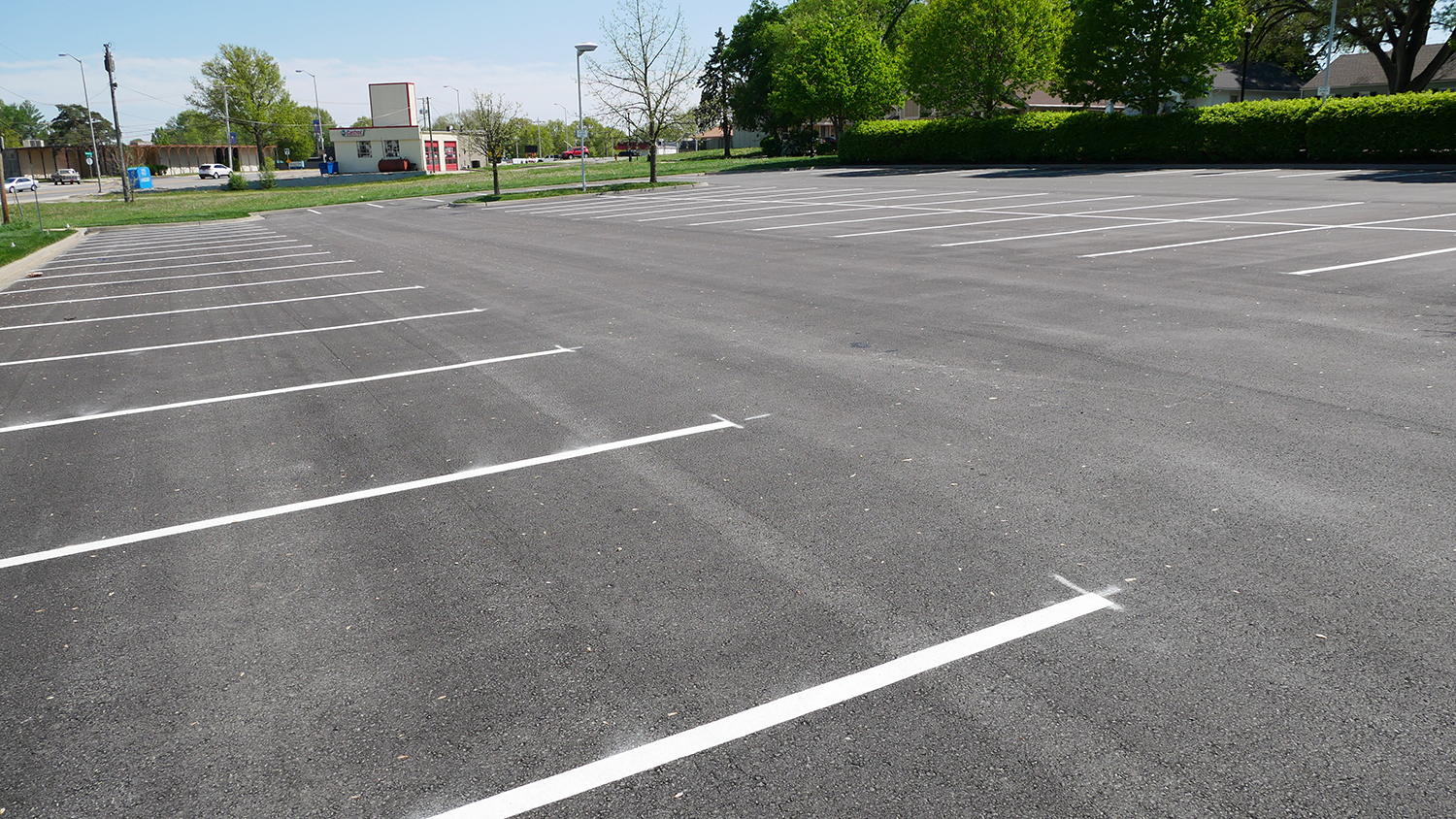
This project consists of the repair and replacement of aging and deteriorating parking lots and a retaining wall at the following locations:
Project Manager: Jessica Tran, P.E., 913-895-6093, jessica.
Schedule: Construction timelines vary by location, with an estimated completion in winter 2025.
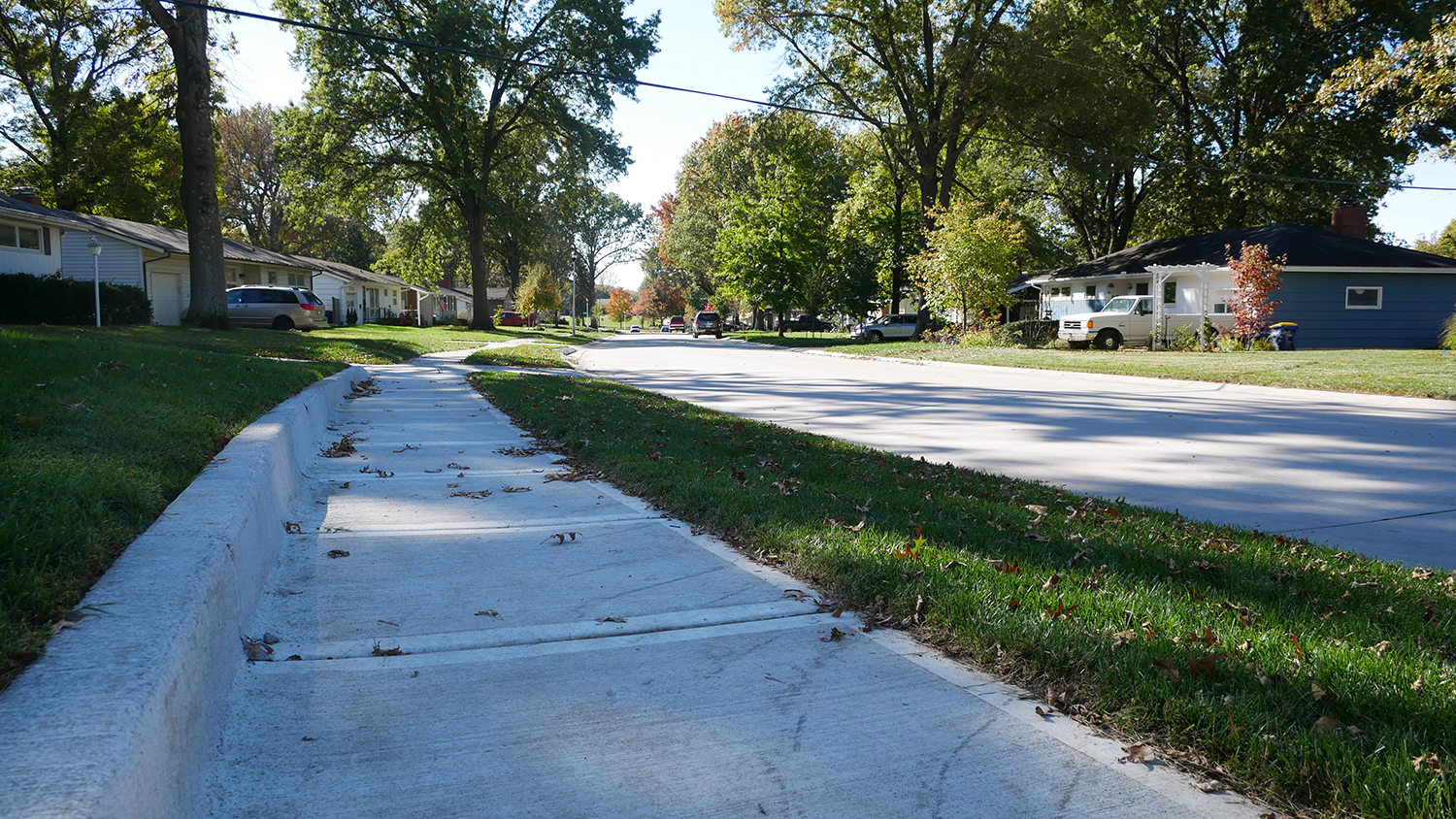
Crews will repair curbs and sidewalks in several locations throughout Overland Park as part of the 2025 Street Improvement Project:
 This project is partially or fully funded by the OP Moves sales tax.
Project Manager: Garrett Kauss, 913-895-6218, [email protected]
Schedule: This portion of the 2025 Street Improvement Project begins in June 2025 and is scheduled to conclude in spring 2026.
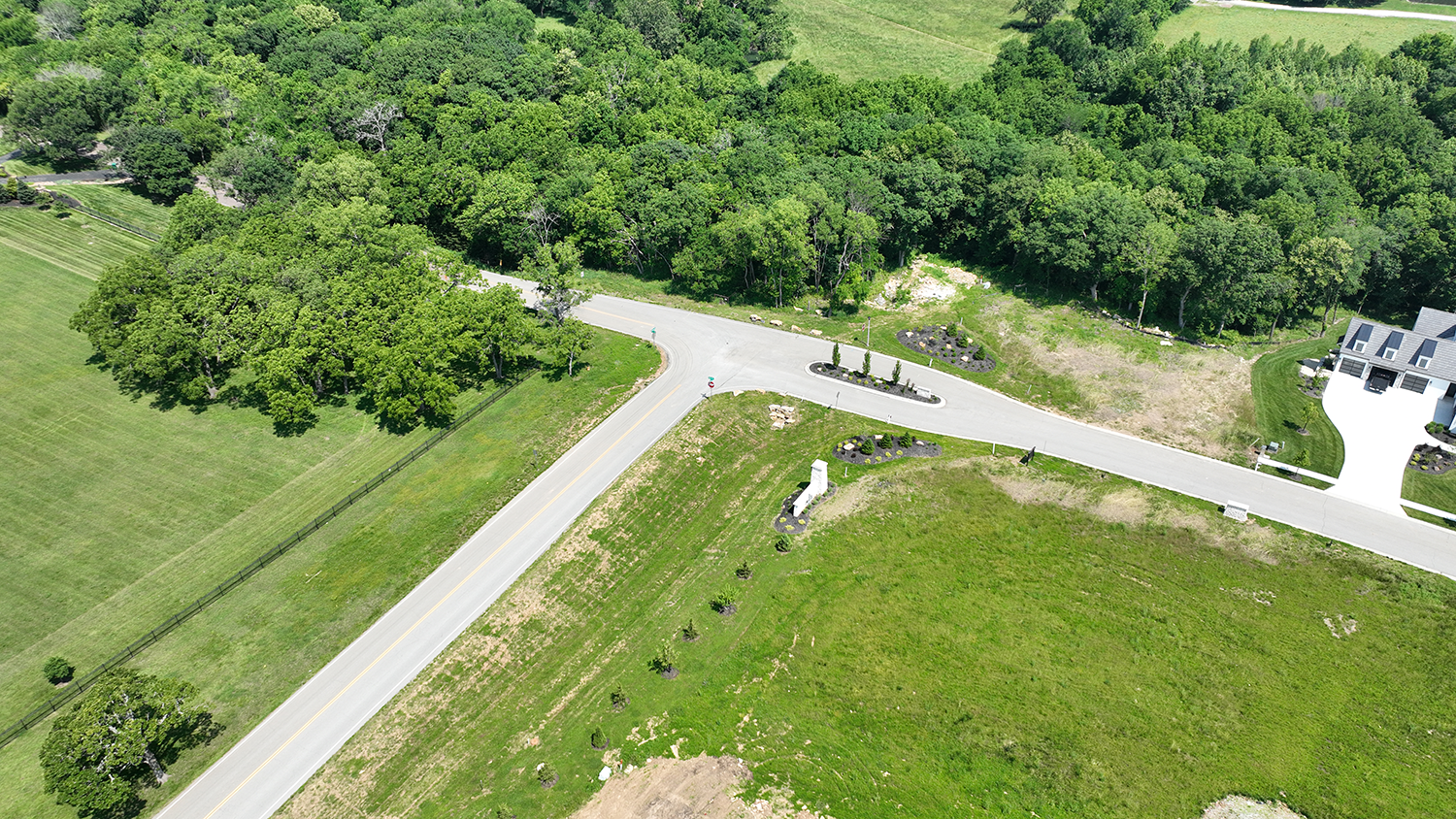
The City will reconstruct 175th Street from 179th Street to Antioch Road to an improved two-lane thoroughfare, including a new roundabout at 175th and 179th Street. The project includes a sidewalk, multi-use trail, bike lane, street lighting, curb and gutter and storm sewers.
This project is partially or fully funded by the OP Moves sales tax.
Project Manager: Jessica Tran, 913-895-6093, jessica.tran@
Community Engagement: The City will hold a public information meeting on July 1 from 5:30-7 p.m. at LongHouse Visitor Center.
Schedule: Construction is scheduled to begin in early 2028 and conclude in late 2029.
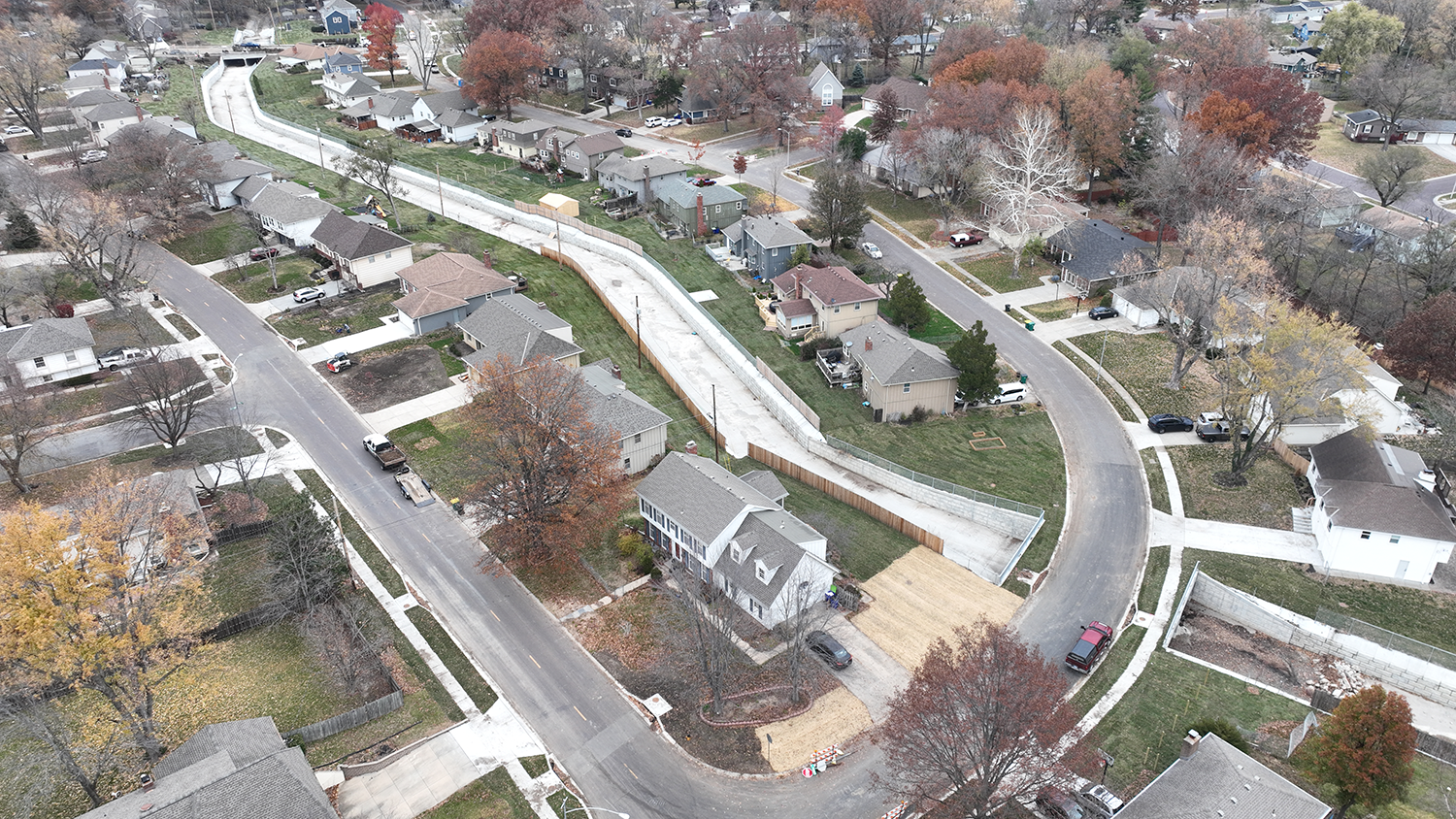
This project is the fourth and final phase of a series of storm drainage improvements. It will help reduce street and structural flooding and includes replacing the existing ditch liner, reconstructing the road, upgrading the storm sewer system and relocating several utilities. The improvements will take place between 97th Terrace and Switzer Road.
Project Manager: Adam Alani, 913-895-6235, [email protected]
Community Engagement: The City held the first public meeting for this project on October 22, 2025. A second public meeting is planned for early 2026.
Schedule: Construction is expected to begin in spring 2026.
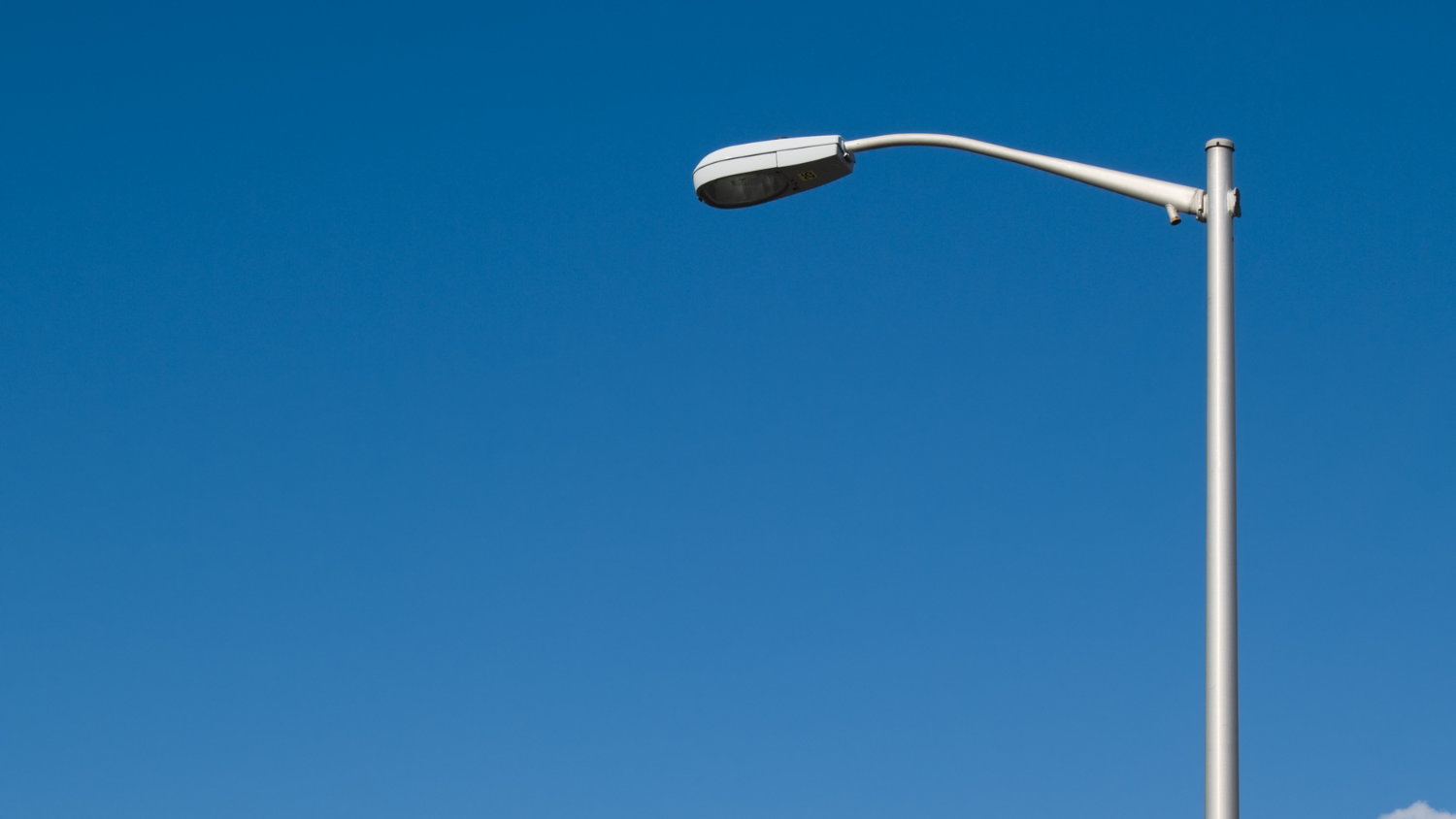
The project includes the replacement of existing, formerly leased Evergy streetlights with a fully owned streetlighting system in an area bounded by 91st Terrace on the north, 95th Street on the south, Antioch Road on the west and Robinson Street on the east.
Project Manager: Federico Lause, 913-895-6562, [email protected]
Schedule: Construction is scheduled to begin in spring 2026.
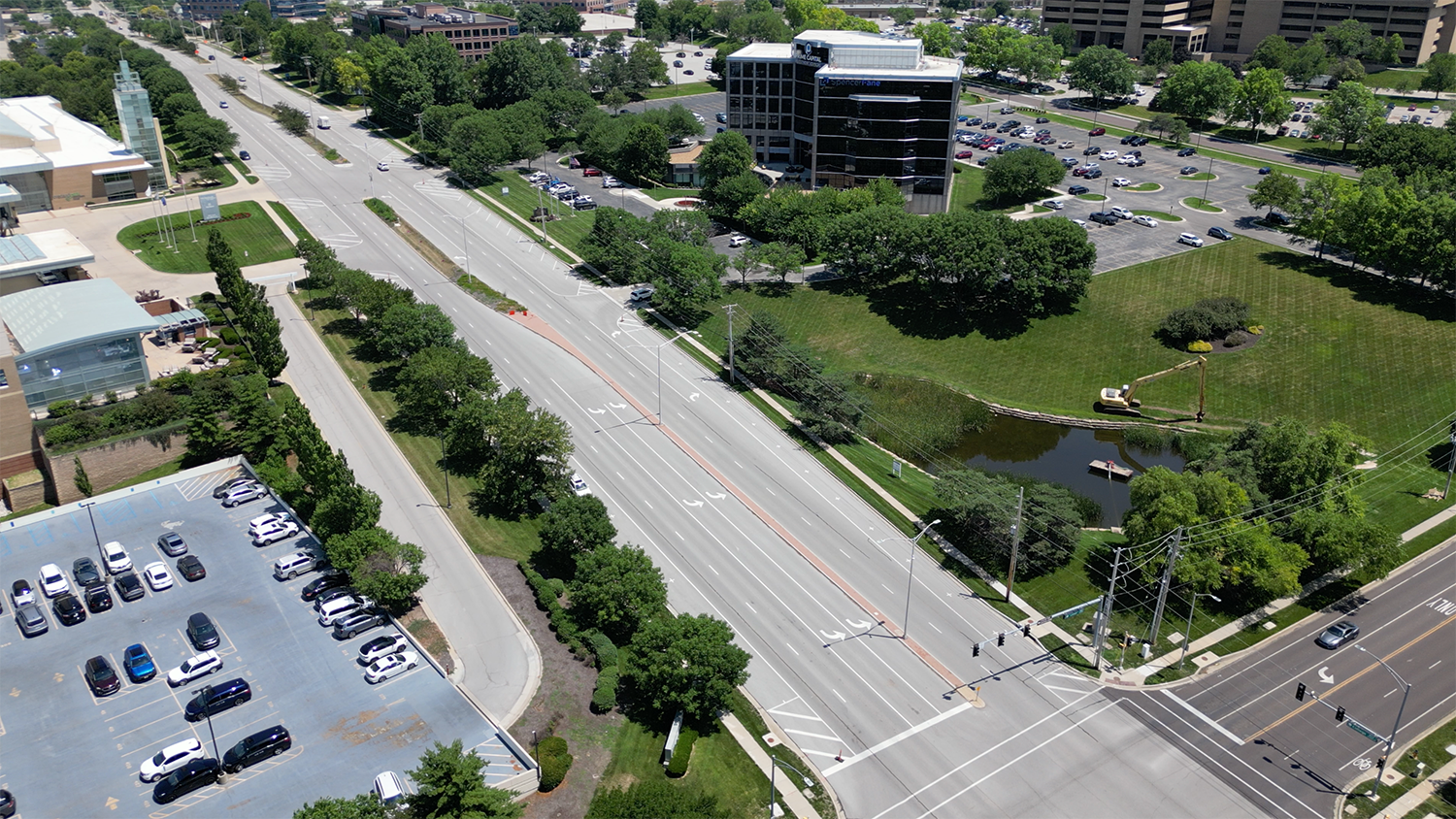
The College and Metcalf mobility enhancements project includes building amenities along College to:
The plan includes a linear park along the south side of College Boulevard, a multi-use path connecting nearby Summercrest Park, pedestrian and bike connections, high-visibility crosswalks, places to rest along the trail and more.
Project Manager: Becky Bonebrake, 913-895-6008, [email protected]
Community Engagement: The City held an open house to share early project plans on Oct. 23 at Tomahawk Ridge Community Center.
Schedule: Construction is scheduled to begin in late summer 2026.
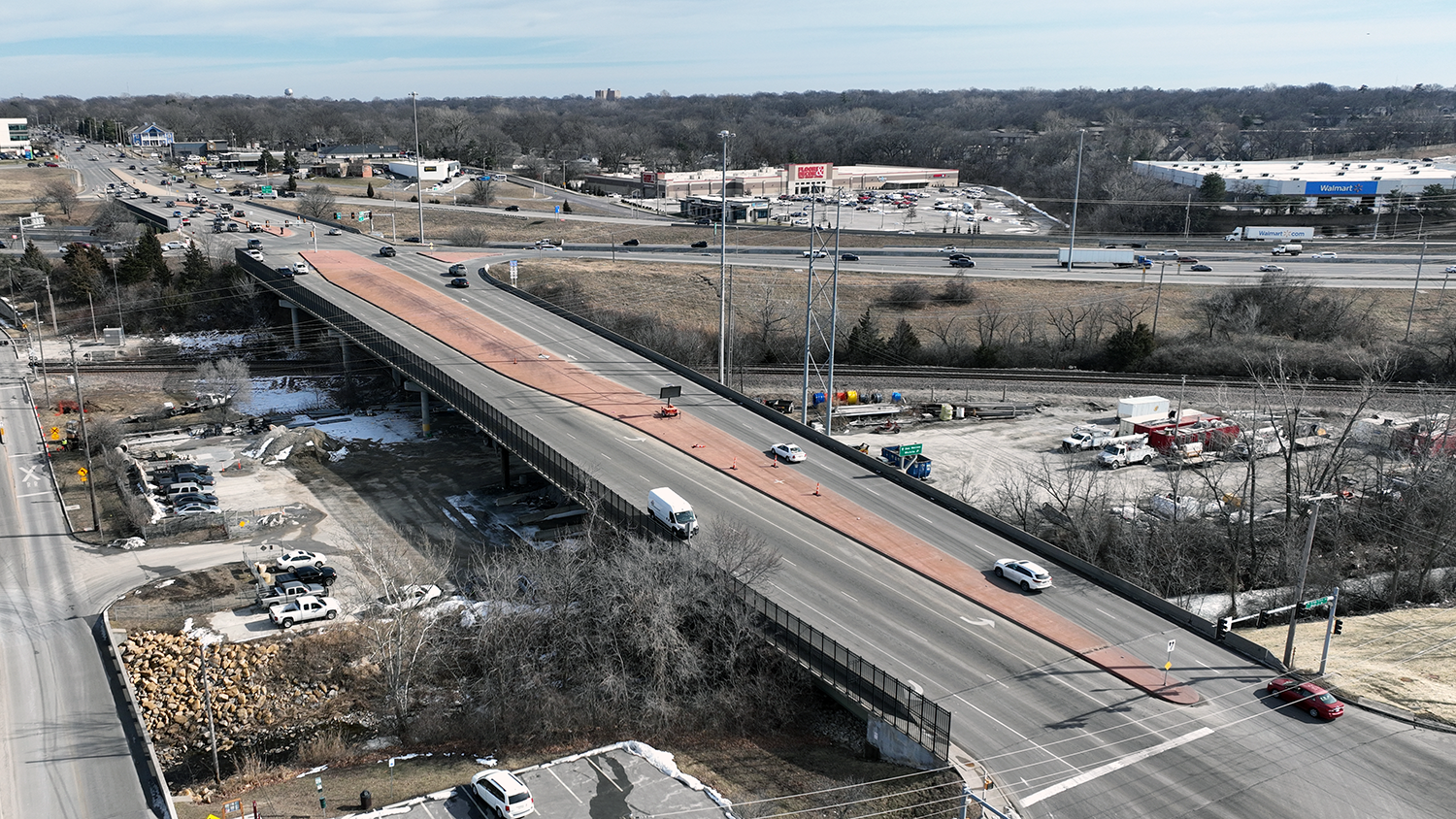
This project includes rehabilitation and preventative maintenance repairs on the 75th Street bridge, including replacing a pier cap, two columns and the expansion joint with four feet of bridge deck. This project is being completed in partnership with the City of Merriam.
Project Manager: Eric Keenan, 913-895-6028, [email protected]
Schedule: Construction is scheduled to begin in spring 2026 and conclude in summer 2026.
February 24, 2026
5:30 pm - 7:00 pm
Matt Ross Community Center
College Boulevard will be closed between Mastin Street and Grant Drive from Sept. 29, 2025-June 1, 2026 to allow for work to be completed as part of the College Boulevard Bridge Over Indian Creek project.
Joel Buffington
913-895-6014
[email protected]
Connell Drive between Wedd Street and 99th Terrace, along with the intersection of 96th Terrace and Knox Drive, will be closed Jan. 26-Feb. 20 for major storm sewer installation.
Jonathan Daldalian
Project Manager
jonathan.daldalian@opkansas.
913-895-6123
Knox Drive between 97th and 98th Street will be closed Feb. 2-Feb. 20 for major storm sewer installation.
Jonathan Daldalian
Project Manager
jonathan.daldalian@opkansas.
913-895-6123
Last year, the Public Works Department:

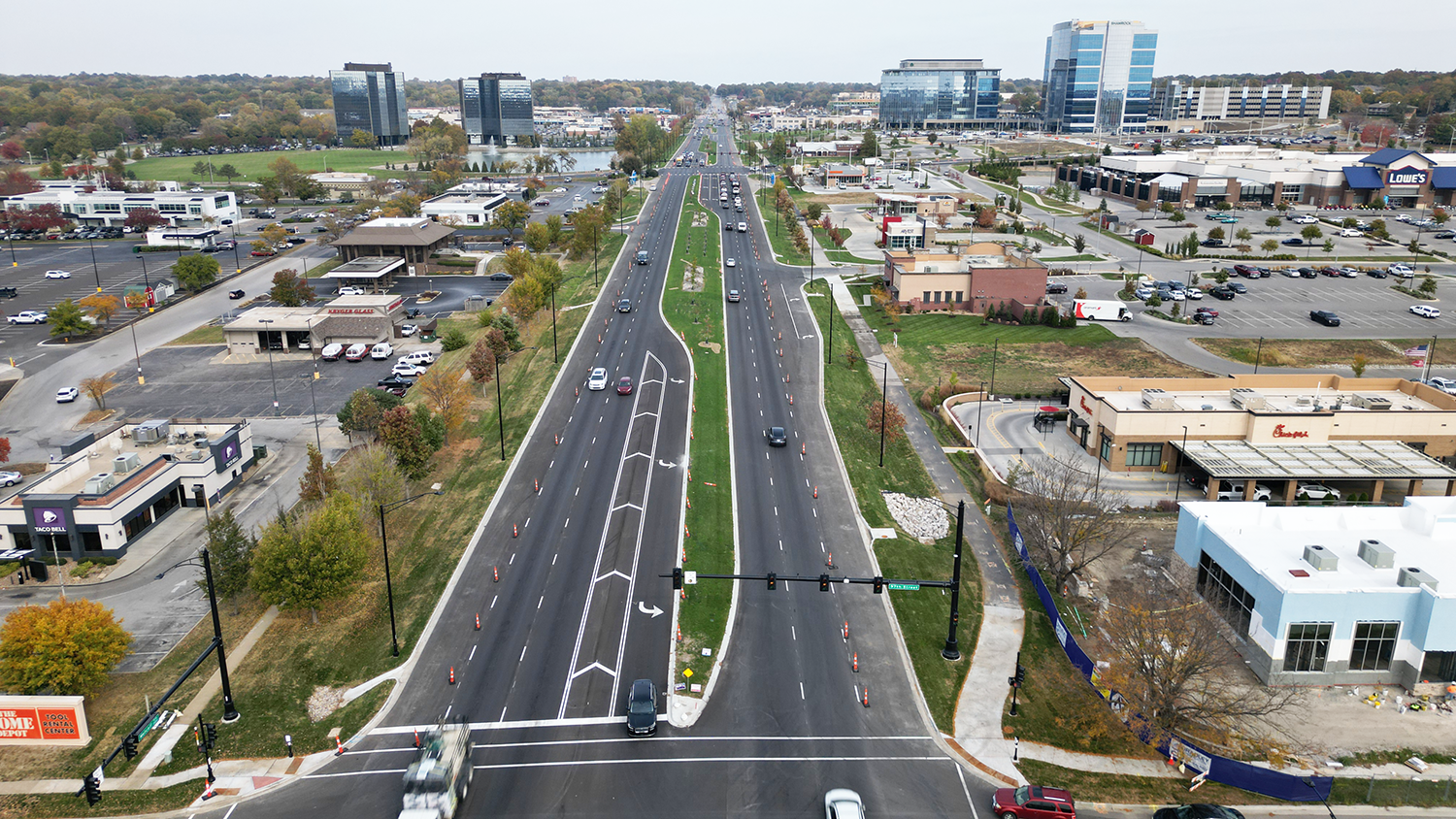
A mill and overlay removes the top two to three inches of the asphalt street. Milling removes the old surface and helps to restore the street to its original shape. Crews then overlay new asphalt. Curb and gutter, sidewalk, storm sewer and commercial driveway repairs are included as part of the project. Thoroughfare roads are maintained every 10-12 years, and residential streets are maintained at least 30 years after construction.
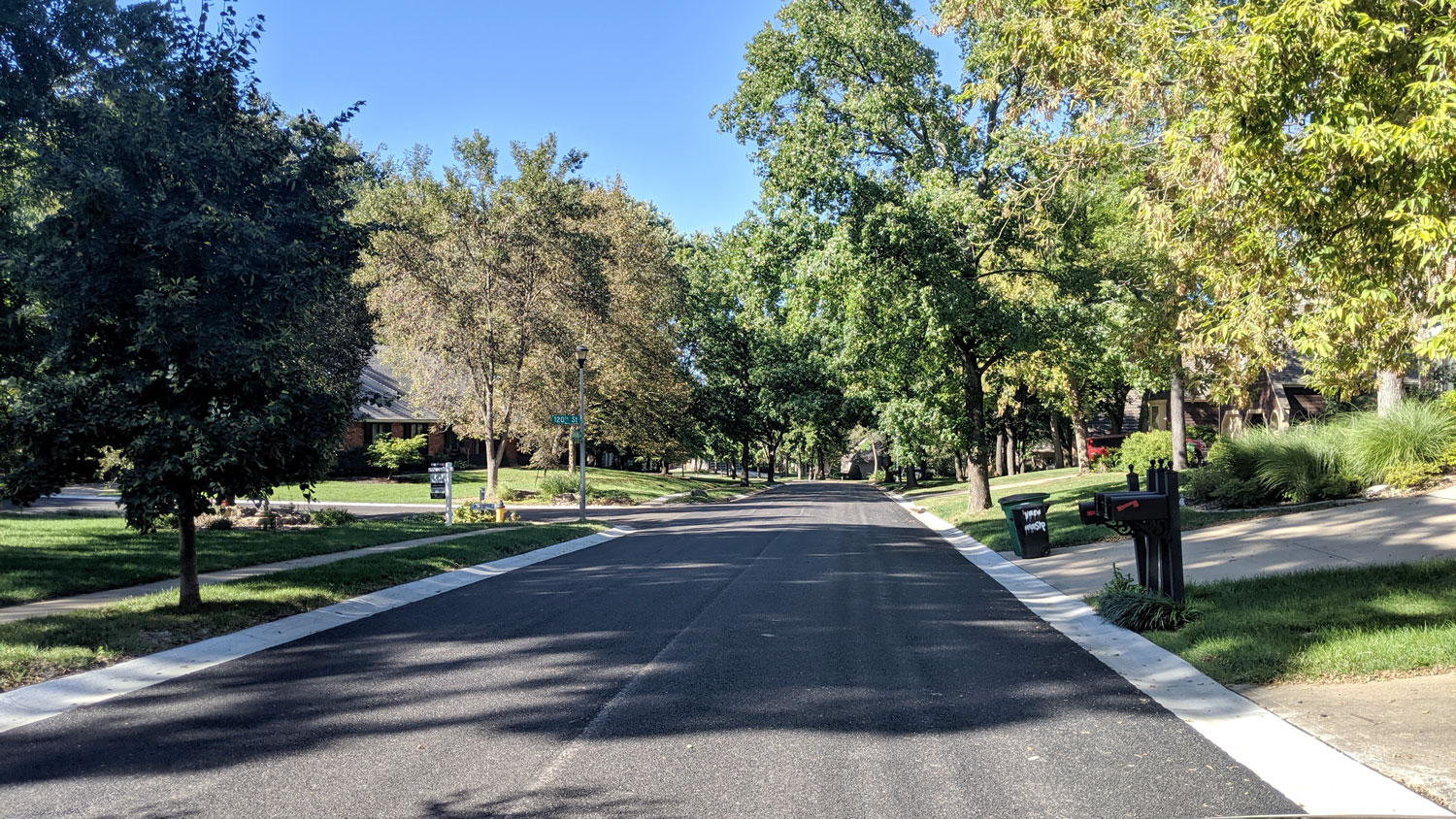
This process removes the top five-eighths of an inch of the asphalt street. Crews then apply an ultra-thin bonded asphalt, which seals the pavement and prolongs the life of the street. Curb and gutter, sidewalk, storm sewer and commercial driveway repairs are included as part of the project. Thoroughfare roads are treated approximately every 8-10 years.
Chip seal extends the life of your street and is relatively quick to apply, reducing the disruption to the neighborhood. It creates a skid-resistant surface that can be used right away. Chip seal keeps streets in good condition by sealing cracks and preventing water from creating new issues. Compared to other project types, chip seal provides a better value to taxpayers and residents because it lasts longer and is less expensive. Chip seal application lasts approximately seven years.
| Project Type | Cost Per Lane Mile | Expected Longevity |
|---|---|---|
| Chip seal | $31,000 | 7 years |
| UBAS | $110,000 | 8 years |
| Overlay | $278,000 | 10 years |
| Total reconstruction | $2.15 million | 50 years |
Chip seal typically happens during the summer. City staff notify residents with mailed postcards and door hangers before chip sealing begins. These notifications have contact information included so you can call with questions or concerns. Streets remain open and you will have access to your home.
The chip seal process involves spraying an emulsion mixture to seal cracks, spreading small chip rocks on the mixture, and rolling the chip rocks to embed them into the street surface.
On the day the work is scheduled, do not park in the street. You can drive slowly on the chip-sealed surface during the curing process, but do not brake or turn the wheels of your vehicle sharply within the first few hours of application. After the chip seal is applied, street sweepers will sweep the street to reduce loose rock. Do not park on the street during the initial week that the chip seal is placed so sweepers can remove the loose rock.
Street sweeping is completed several times after the chip seal is applied. Use the map linked below to see recent chip seal locations and their sweeping status.
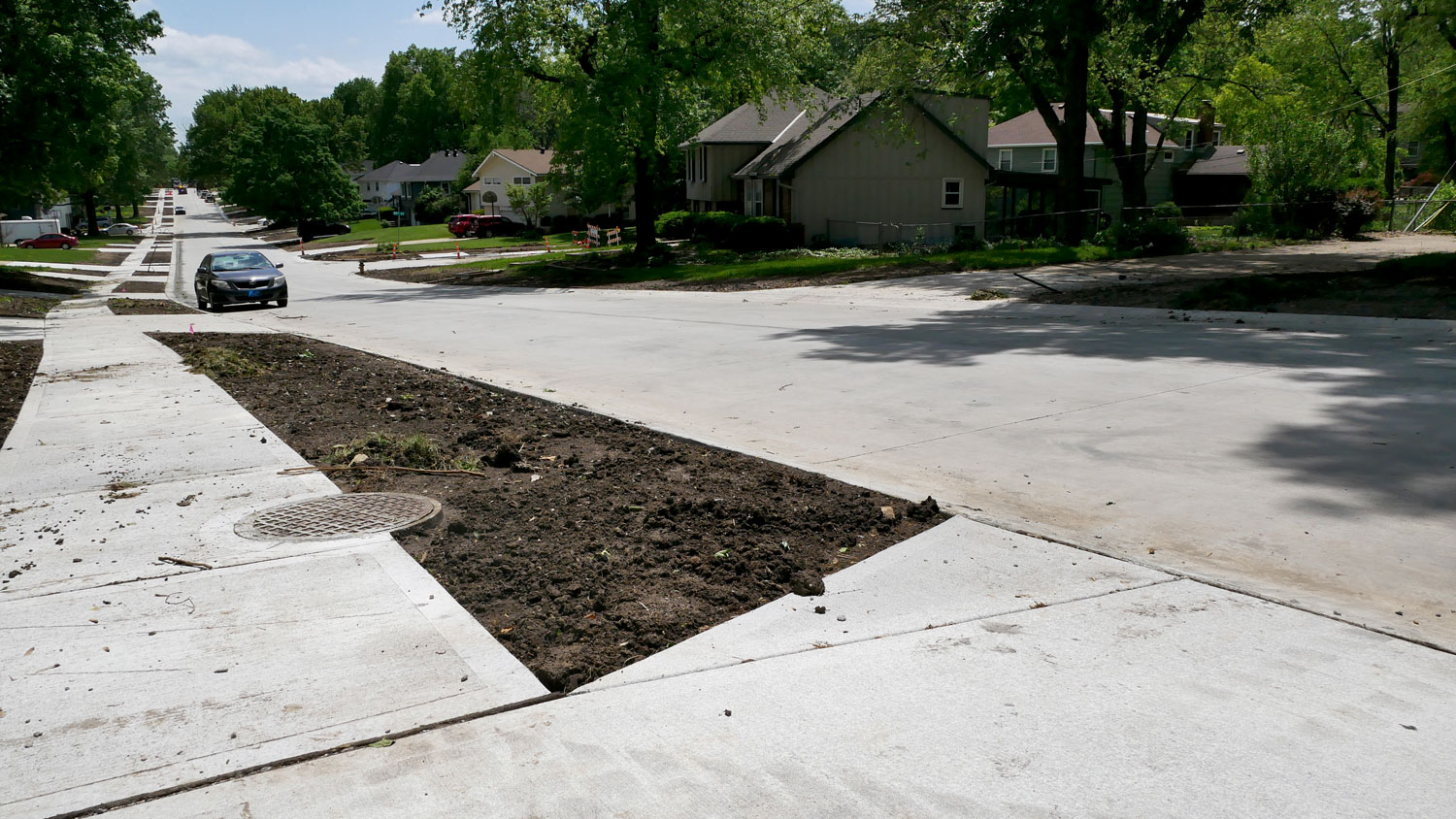
The City’s Neighborhood Street Reconstruction Program includes pavement replacement, driveway approaches, as well as sidewalks, storm sewers and street lights. Streets improved with this project type may not need to be rebuilt or repaved for up to 50 years.
The impact of this project varies by neighborhood and depends on other needed infrastructure upgrades, but streets are often closed for weeks or months to complete the work. At times, street trees must be removed to accommodate infrastructure, but they will be replaced. City staff meet in person with residents in the area to provide as much notice and information as possible. Upgrades are funded by the Capital Improvements Program with sales tax revenues.
Stormwater maintenance projects help replace old and damaged pipes with stronger materials so water can move safely through neighborhoods. The City checks the stormwater system and chooses projects based on the condition of the pipes and how likely they are to fail. Each year, staff reviews all stormwater needs across the city to decide which maintenance projects to complete.
Stormwater improvement projects focus on places that have flooding. These projects may add new pipes, inlets or other parts to help move more water, or add a stormwater system where one does not already exist. Preliminary Engineering Studies help identify these projects by looking at flooding problems and giving recommendations.
Before any project can move forward, it must be added to the City’s Capital Improvements Program. The City reviews all stormwater needs each year to decide which projects to include. When choosing projects, staff considers flooding risk, available funding and neighborhood support. All easements for stormwater improvement projects must be donated.