
Snow + Ice Removal
Snow + Ice Removal
The City’s Public Works Department follows a priority system for clearing snow and ice from more than 2,000 lane miles of streets and bridges. This includes:
- 1,973 cul-de-sacs
- 2,064 lane miles
- 59 bridge decks
More than 170 City employees and contractors work together to clear snow and ice from streets.
Snow Map
Track City snow and ice response in real time. This map shows where crews are currently working during winter weather operations.
Snow Removal Issues
Report and track a snow or ice removal issue directly online by submitting a ticket with OPCares.
Before filing a request for a missed street, be sure you understand the priorities snow crews use when plowing and treating.
Snow Plow Damage
Report damage caused by a snowplow by submitting a ticket with OPCares.
Minor Vehicle Accidents
Call 911 if you have an emergency.
During snow events, walk all minor crash reports into the Overland Park Police Department within 72 hours. Minor crashes happen when:
- No one is hurt
- The vehicles are drivable
- Substance abuse is not a factor
- All parties remain at the scene
Drivers should exchange names, addresses, driver’s license and license plate numbers and insurance information. Visit the W. Jack Sanders Justice Center or the Myron E. Scafe Building for assistance in filing a report.
Snow Removal Priorities
During a typical snow operation, the city’s streets are plowed by two crews working 12-hour shifts. Crews follow routes based on street priority.
Every street in the City is important during snow operations, but streets that move more vehicles and traffic are typically treated and plowed first. Strategies can vary by storm, but typically snow crews plow and treat city streets in the following order:
Thoroughfares
High traffic volume multi-lane roads such as Metcalf Avenue, College Boulevard and Antioch Road are plowed continuously during snow operations.
Collectors
Two-lane streets that move traffic to a thoroughfare street are plowed from the start of snow operations until completed. Collectors typically border neighborhoods or commercial areas and include Lamar Avenue, 71st and 133rd streets. These are typically completed in the first 12-hour shift.
Residentials
Residential streets are plowed after snowfall stops and after other priority streets are treated and cleared.
Crews will apply materials to improve traction, but may not plow residential streets for ice or snowfall less than two inches. Plows will make a single pass around the perimeter of cul-de-sacs. When a large storm results in the buildup of snow and ice, crews will completely plow cul-de-sacs after all streets have been completed.
Help Snow Crews
While streets are being plowed or treated
- Do not park on the street until it has been plowed to leave a clear path for plow drivers.
- Wait until plows have made at least one clear path before driving on a street.
- Remove basketball goals, trash cans, and other obstacles from the curb or driveway entrances.
After streets are plowed or treated, keep sidewalks free of ice and snow.
Plows typically leave a windrow of snow at the end of each driveway. It is each resident or business owner’s responsibility to shovel blocked driveways.
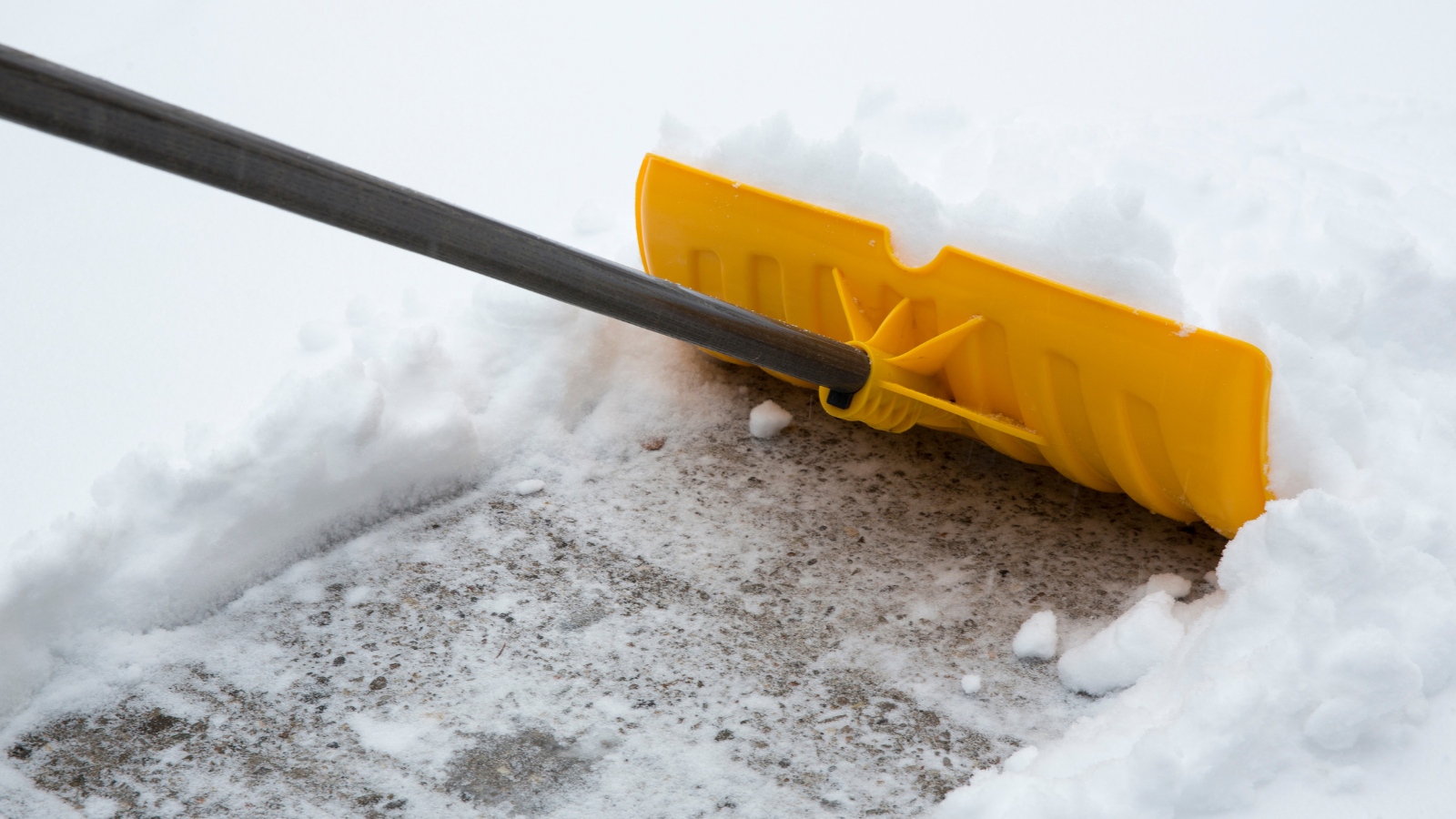
Sidewalk Snow Shoveling
In Overland Park, keeping our community accessible is a team effort. Overland Park’s Municipal Code requires property owners to maintain sidewalks adjacent to their properties, including shoveling snow or ice that remains on the sidewalk after winter weather.
Clearing your sidewalk isn’t just about following a code, it’s about looking out for the people who share your street. Remove snow and ice from your sidewalk in order to:
- Help seniors stay safe on daily walks for health or to retrieve the mail. A clear path prevents dangerous slips and falls.
- Support kids who are walking to school or waiting at a bus stop.
- Make it easier for neighbors who use wheelchairs, strollers or walkers to get around.
- Help your mail carriers and delivery drivers stay on schedule and stay safe as they bring packages to your door.
Walking is how we meet our neighbors. Clear paths keep our neighborhoods vibrant and connected.