
Streams + Watersheds
Streams + Watersheds
Overland Park has more than 70 miles of streams and rivers. It runs through multiple watersheds.
A watershed is an area of land in which all water, including rainwater, drains to a common waterway, like a nearby creek, river or lake.
Homes and businesses in Overland Park are part of the Turkey Creek and Blue River watersheds. Camp Creek, Wolf Creek, Coffee Creek, Tomahawk Creek, and Indian Creek in Overland Park flow into the Blue River.
For ways to protect our watershed, visit our Sustainability webpage.
Report a Concern
Use OPCares, the City’s online customer service center to report a stormwater pollution issue.
Stormwater Runoff
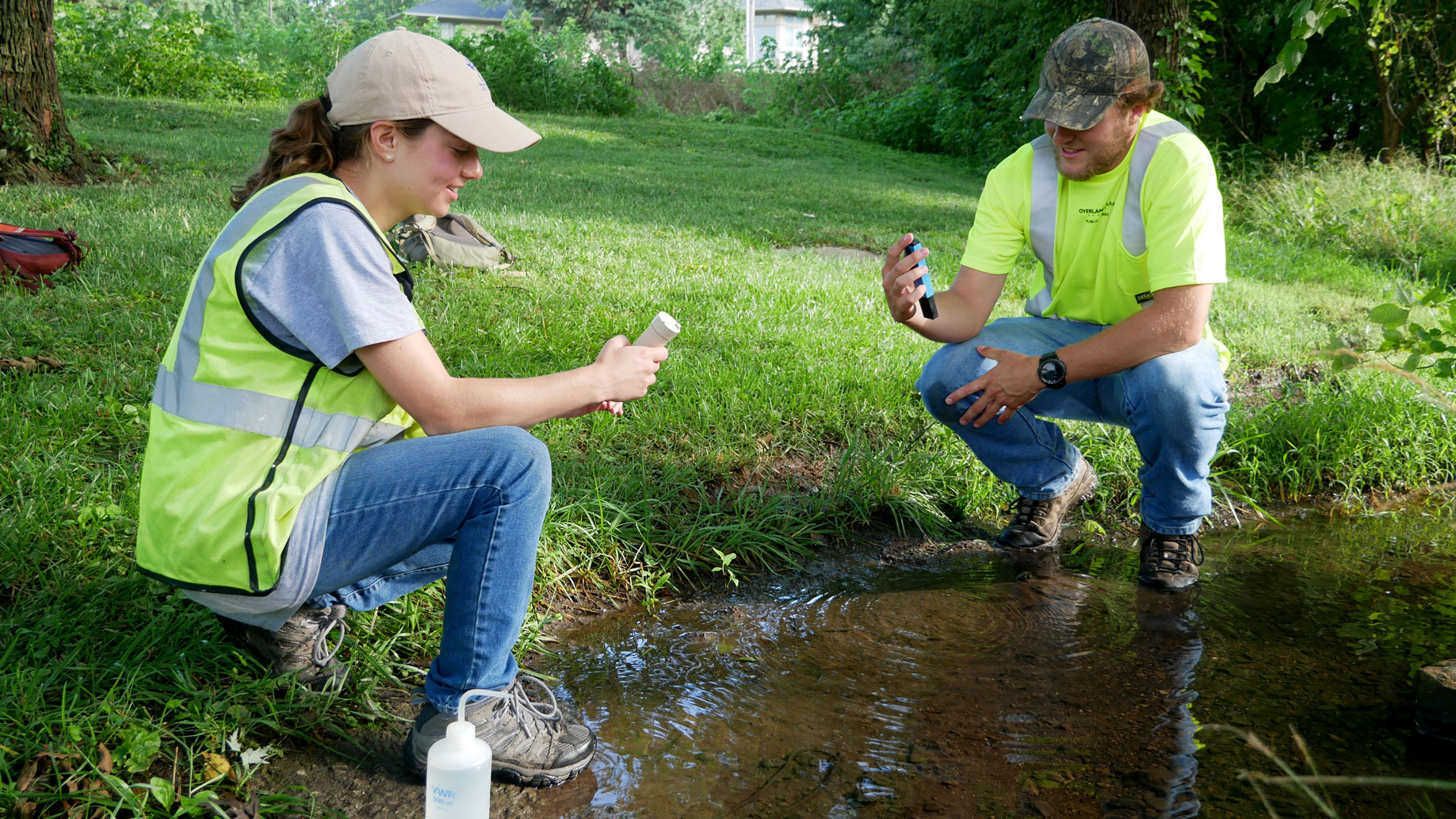
As stormwater runoff flows over land and impervious surfaces, it picks up sediment, contaminants, litter, nutrients, and other pollutants, which then discharge, untreated, into the waterways within Overland Park.
Unmanaged stormwater can adversely affect these waterways by causing water pollution, streambank erosion, and even flooding.
Learn more about projects you can do to help improve the water quality of stormwater runoff and reduce the amount of runoff from your property on our Stormwater Cost Share page.
National Pollution Discharge Elimination System
Water pollution degrades surface waters making them unsafe for drinking, fishing, swimming and other activities.
Overland Park minimizes stormwater runoff impact by implementing best management practices. These include:
- developing a stormwater quality management plan
- submitting an annual compliance report
- maintaining compliance with the national pollution discharge elimination permit requirements.
Documents
StormWatch
StormWatch is the City’s weather and flood warning system.
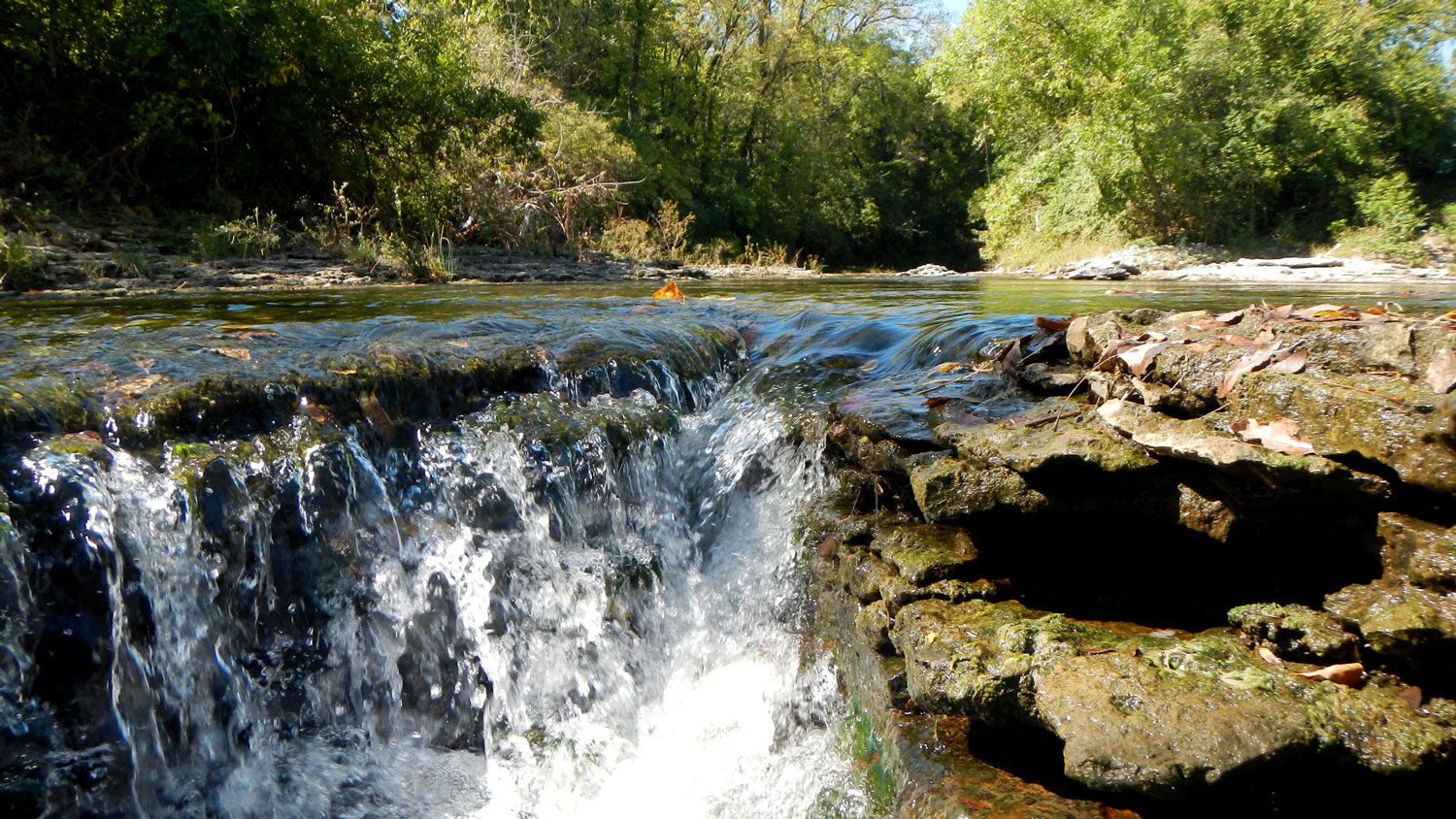
It uses remote weather monitoring stations to pull rainfall data, stream levels, temperatures, pavement conditions and more to provide information on current creek conditions.
Flooding Safety
Floods are one of the most common natural disasters in the U.S.
The following precautions can save a life in a flood:
- Do not walk through flowing water. Six inches of moving water can knock you off your feet.
- Turn around, don’t drown. Do not drive through flood waters. As little as 12 inches of rapidly moving water can wash a vehicle off the road.
- Stay away from power lines and electrical wires, and avoid flooded basements. Water may be energized due to contact with a house electrical panel or other source.