
Traffic Management
Overland Park uses a variety of tools and strategies to ease traffic congestion, reduce speeding on residential and collector streets and make roadways safer for pedestrians, cyclists and drivers.
If you have questions, comments or requests about how the city’s traffic is managed, file a request using OPCares, the city’s customer service system, or contact Public Works.
Contact
Traffic Services
913-895-6040
Traffic Control Center
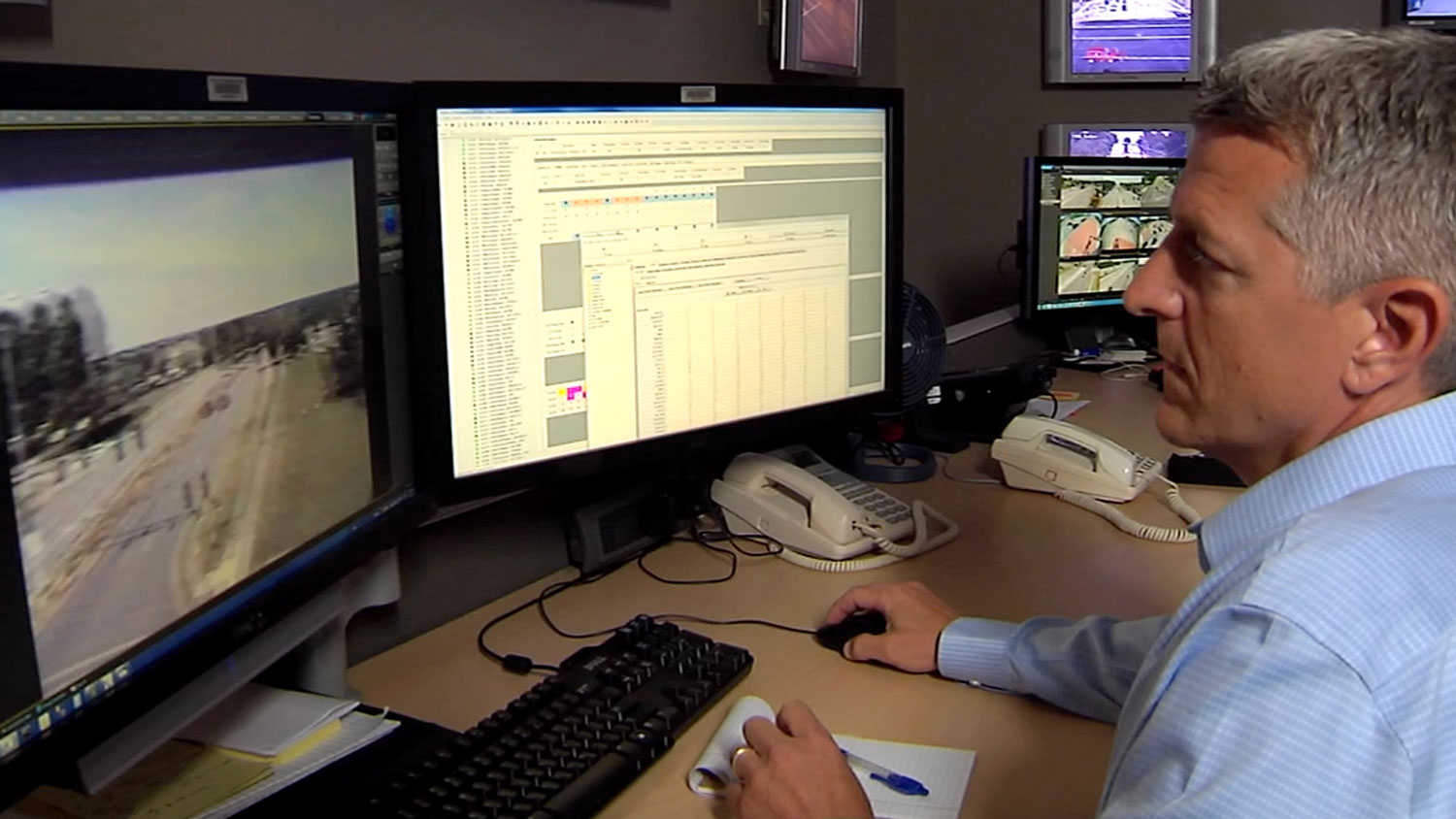
Staff who work in Overland Park’s traffic control center monitor traffic throughout the day, during peak traffic times and during special events.
Staff use cameras and traffic data to evaluate traffic signal performance and remotely modify traffic signal operations as needed. They also post traffic-related messages on the city’s message boards to alert drivers of upcoming traffic incidents.
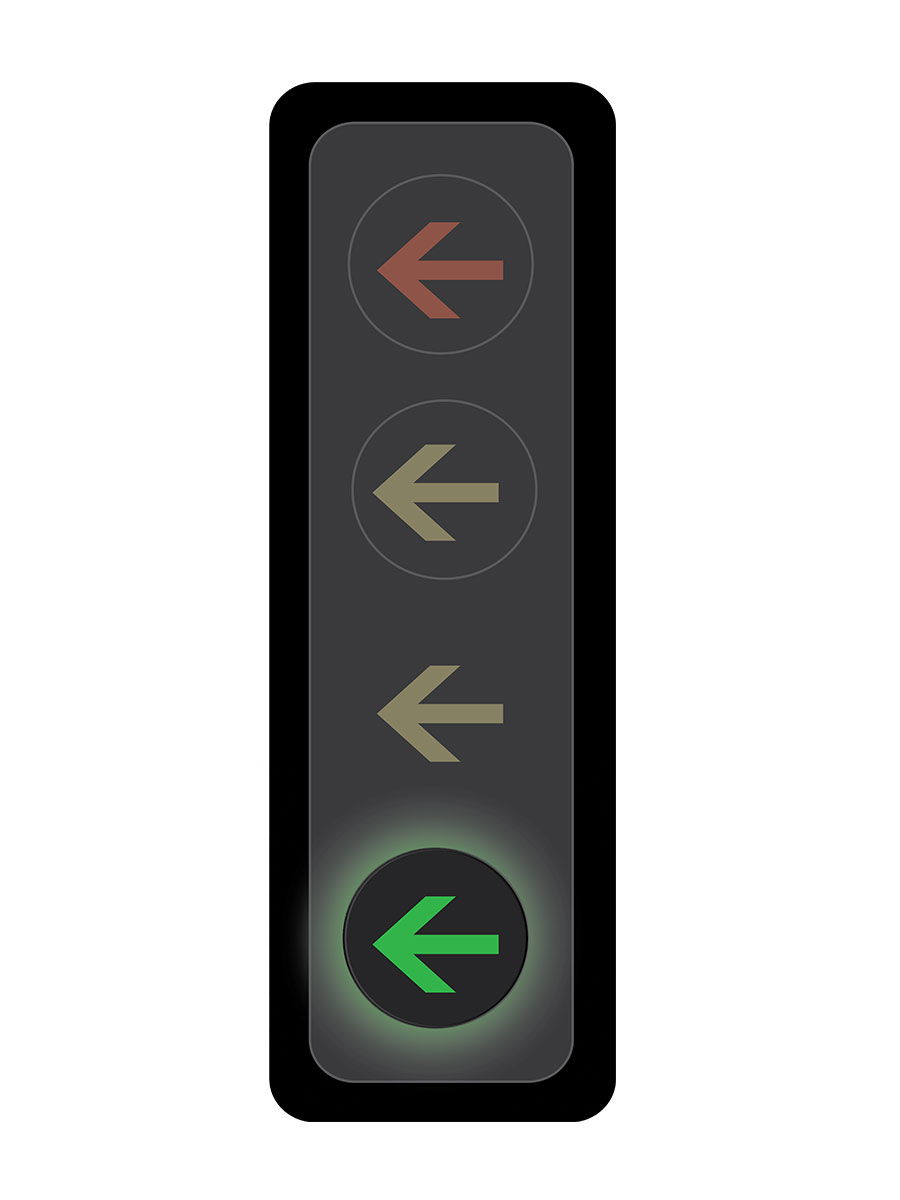
Solid Green Arrow
A steady green arrow indicates that drivers making a left turn have the right of way.
Oncoming traffic has a red light.
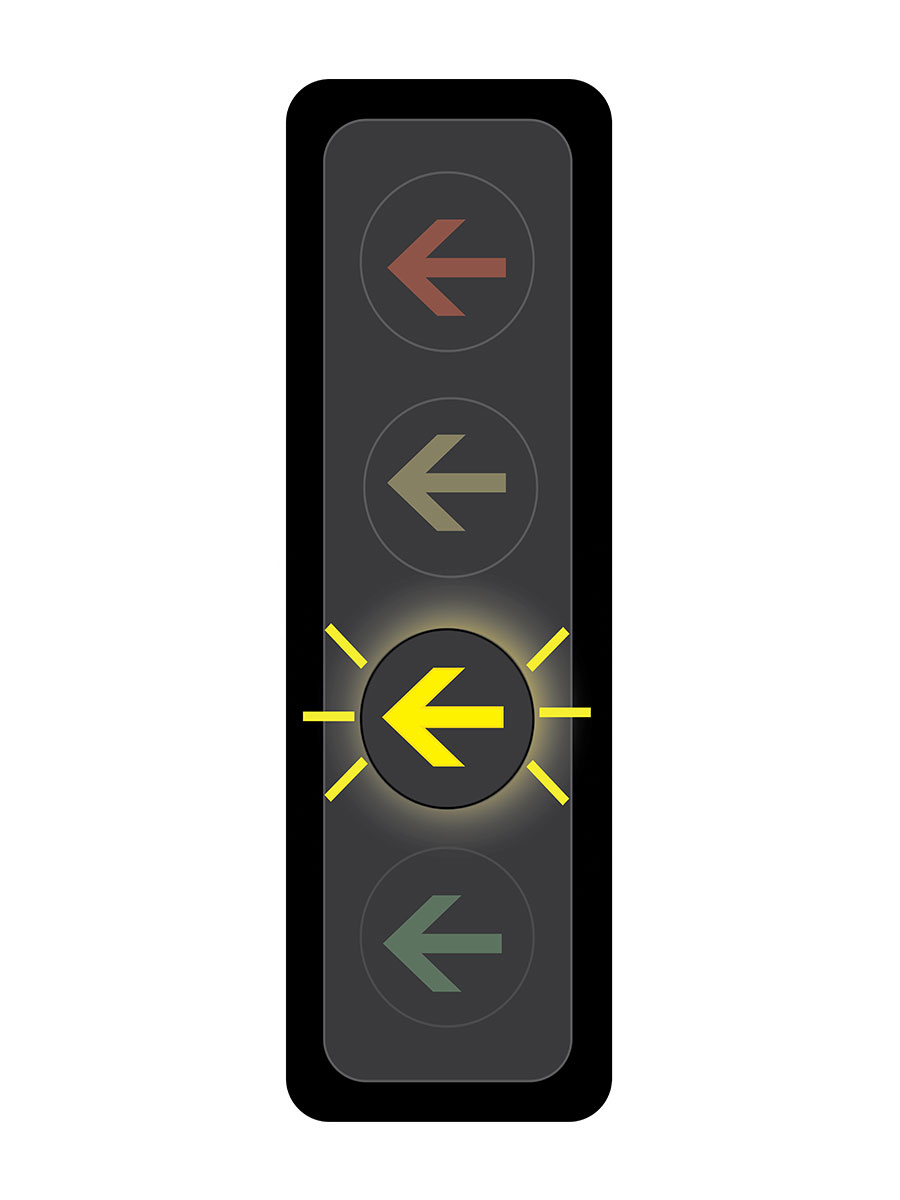
Flashing Yellow Arrow
A flashing yellow arrow indicates that drivers may proceed to turn left after yielding to oncoming traffic and pedestrians.
Oncoming traffic has a green light, so drivers must wait for a safe gap in traffic before turning left.
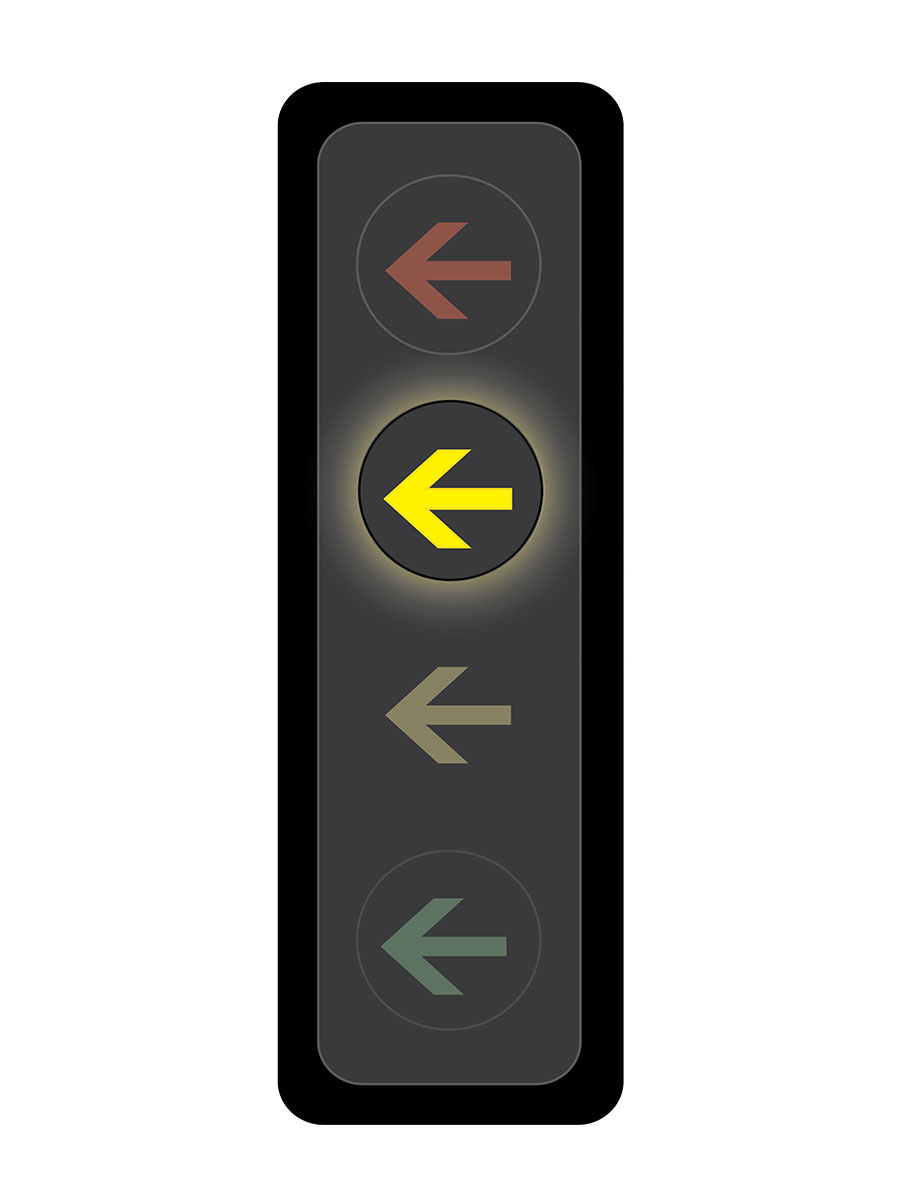
Solid Yellow Arrow
A solid yellow arrow indicates that the left-turn signal is about to turn red. Drivers should prepare to stop or complete the left turn if they are within the intersection and there is no conflicting traffic. Drivers should treat the solid yellow arrow just like a standard yellow ball indication.
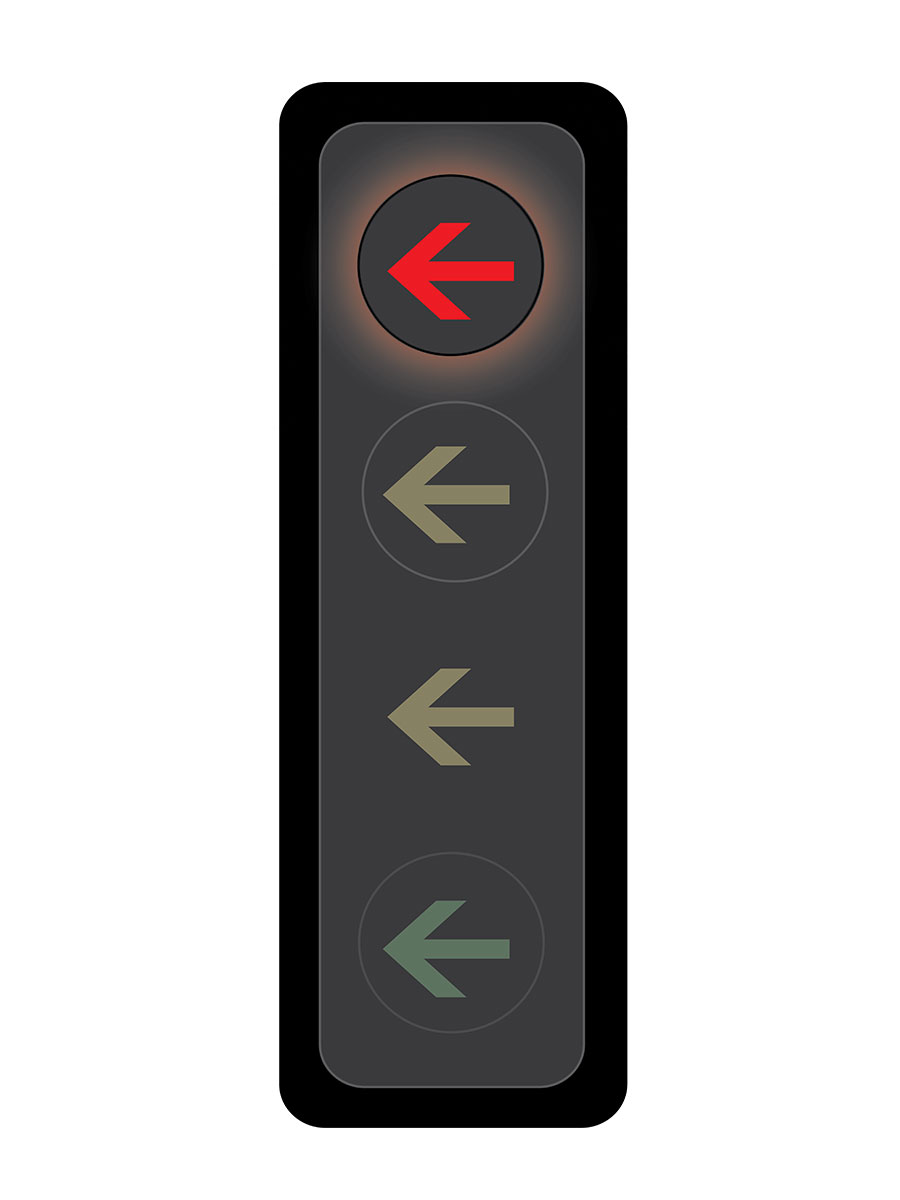
Solid Red Arrow
A solid red arrow indicates that drivers must stop and may not enter the intersection.

Roundabouts
Roundabouts are circular intersections that serve vehicles from every approach, keeping traffic moving in all directions. Center islands in roundabouts deflect entering traffic and reinforce lower driving speeds of 25 miles per hour or less.
Overland Park has many roundabouts, including two-lane roundabouts at Santa Fe and Conser, 113th and Switzer, 159th and Mission and many smaller, one-lane roundabouts throughout the city.
Roundabouts are one of the safest types of intersections. They reduce injury crashes, fuel consumption and air pollution.
HAWK Signals
High-Intensity Activated crossWalK signals are pedestrian-friendly crosswalks. Signals above a street turn on when pedestrians activate the push button, indicating they want to cross. This provides a safer crossing than traditional crosswalks because drivers are more likely to stop at red lights.
This type of signal can be found on Metcalf at 81st St and on Nall north of 86th Street.
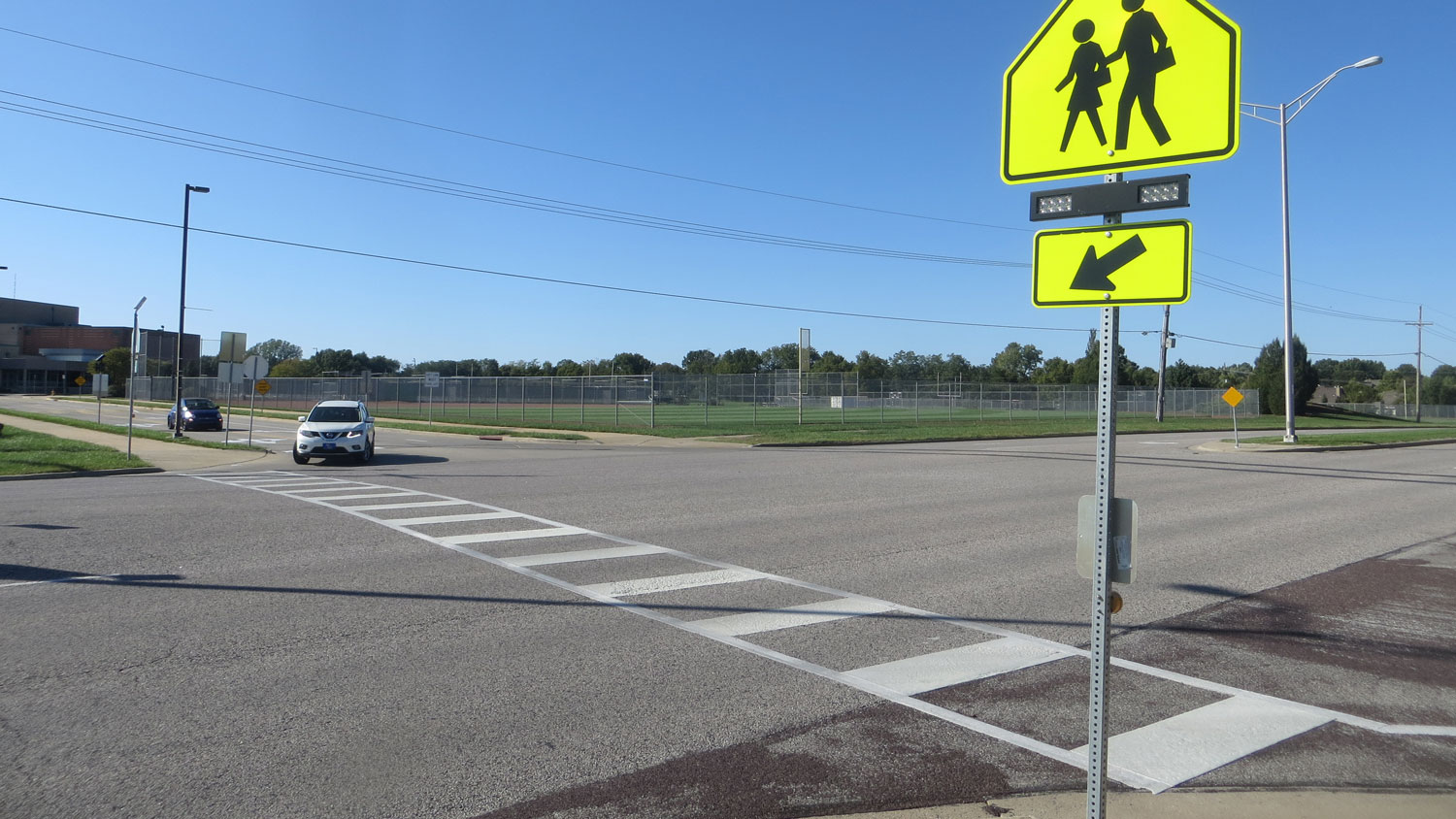
Rectangular Rapid Flashing Beacons
RRFBs have flashing yellow lights to let drivers know a pedestrian is crossing the street. Pedestrians should push the button to alert drivers that they are crossing.
Drivers must yield to pedestrians in the crosswalk.
This type of beacon can be found at 167th St & Flint.