
Future City Hall Project
Future City Hall Project
The City of Overland Park will move to a new City Hall at 6201 College Blvd.
This investment will bring civic gathering spaces, enhanced customer service, improved accessibility and more modern workspaces and meeting areas to the center of Overland Park.
This project page will be updated as the project progresses.
About the Future City Hall Site
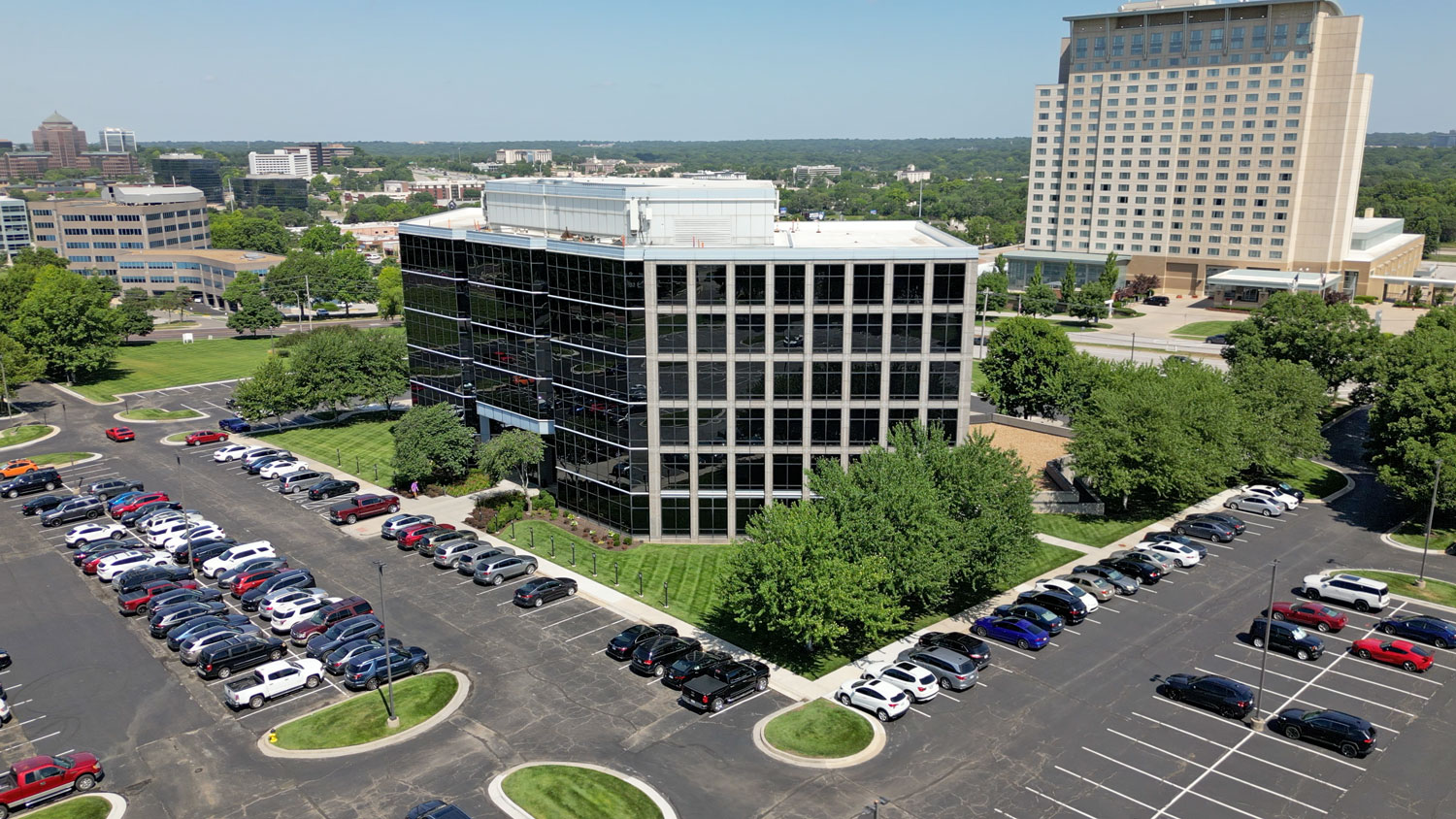
6201 College Blvd. will be Overland Park’s new City Hall.
The building is currently 154,000 square feet and seven stories tall. The City anticipates it will renovate each floor of the building, and add on a Council Chamber, training spaces and customer service areas.
This site is centrally located, making City Hall closer to all Overland Park residents. Renovations to the building will allow the City to improve building accessibility for residents, City staff and visitors. The move will also allow the City to consolidate most administrative functions into a single building.
Why College and Metcalf?
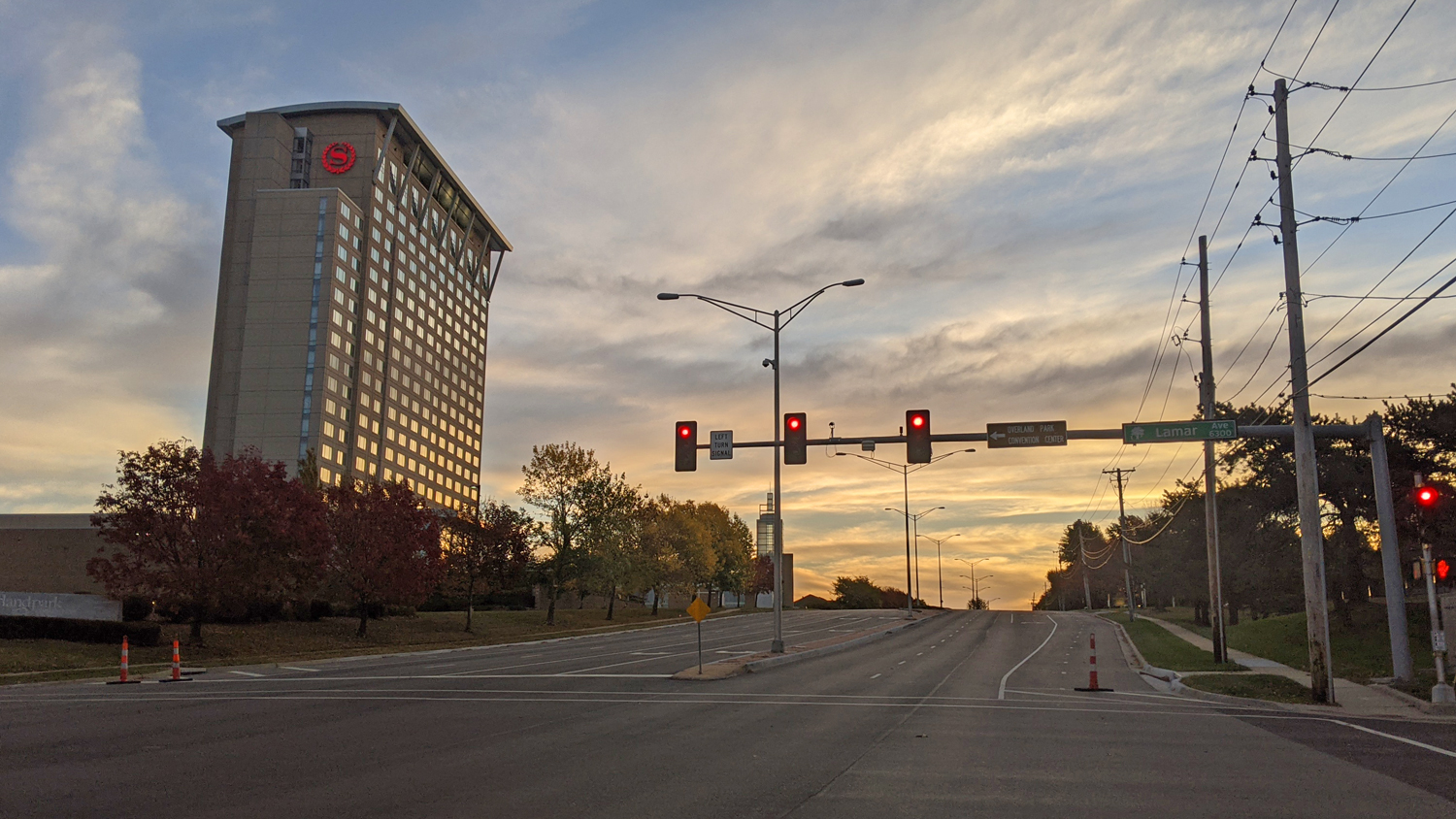
Framework OP, Overland Park’s Comprehensive Plan, calls for strategic investments in the College and Metcalf area. The plan recommends this area be developed as a “regional activity district,” supporting civic, office, mixed-use, retail and housing uses.
The City sees the future City Hall site as a strategic investment that will add energy and support additional private investment in this core business district.
The Need For a New City Hall
The current Overland Park City Hall campus at 8500 Santa Fe Drive and 8500 Antioch is nearly 60 years old. An investment in City of Overland Park offices is necessary.
Customer Service and Accessibility
Customer service is a challenge with the current City Hall configuration. Customer service windows are currently in different buildings and on four different floors. Visitors are sometimes confused and have to visit multiple locations to do simple City business, like filing a permit application.
Not all restroom facilities or customer service windows in the building meet modern, ADA requirements.
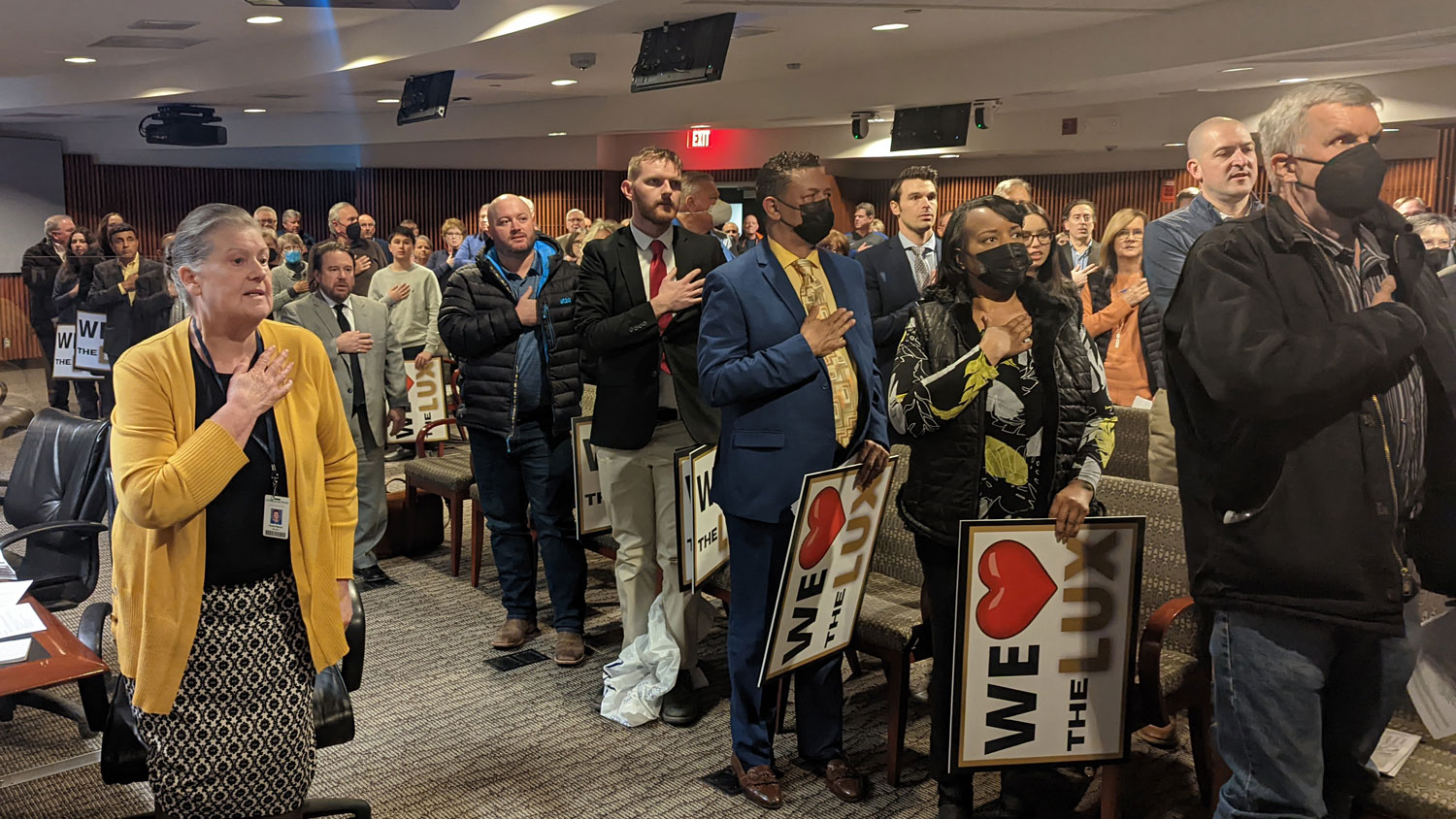
City Council and Planning Commission meetings frequently reach the capacity of the Council Chamber and other available spaces, meaning visitors must watch from a livestream cart in the lobby or wait outside.
Geography is also a concern. When City Hall opened in the 1960s, the site was near the center of the city’s developed area. Now, development extends to the City’s southern border, and City Hall is at the most northern portion of the city. The current location is not central, and therefore less convenient to most Overland Park residents.

Maintenance Demands
Maintenance is increasing at the current City Hall campus, and the impact is becoming more substantial on the City budget.
City Hall’s single elevator has been out of service at least five times in the last two years. Repair times vary and impact operations and accessibility. A single elevator frequently causes service disruption, particularly for those who need ADA accommodations.
Some mechanical systems, including the fire alarm system, are at the end of their life. The alarm occasionally fails, resulting in frequent false alarms.
Limited Workspace
The current City Hall campus no longer serves the City’s office space needs.
The location of some current workspaces is not optimal. Many offices are in the basement or interior spaces, which lack access to the outside and light.
City meeting and conference rooms are regularly over-booked. City business requires space to meet with residents, customers and others.
The City’s staffing has increased in order to keep pace with Overland Park’s growth. While the number of public servants have increased to meet population growth, the space at City Hall in which they work has not. As the city expands and services and programs grow, more space will be needed in the future.
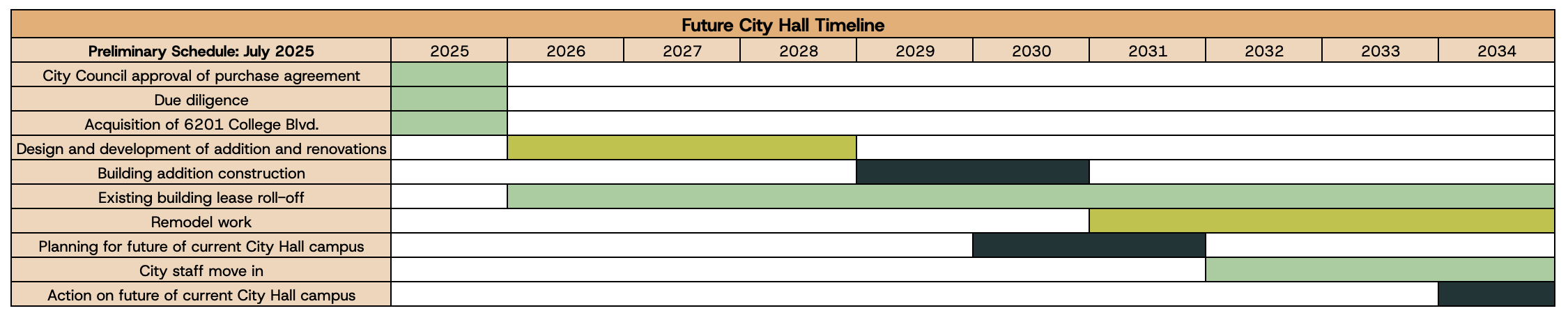
Timeline
This is a preliminary schedule. The City is committed to providing the community updates and this information will be updated as the schedule progresses.
Q+A
Planning Questions
- Why is a new City Hall necessary?
The current buildings housing City Hall administrative functions range in age from 40-60 years and have reached the end of their useful lives for this purpose.
- How long has the City been planning a new City Hall?
In 1996, City staff and elected officials recognized that the City Hall facility was 30 years old, and began planning for a modernized facility. At that time, the City purchased land as part of the Sanders Justice Center for the potential construction of a future City Hall.
In 2008, Vision Metcalf identified a potential site for a City Hall at the northeast corner of 95th and Metcalf. No specific action or discussion was undertaken to pursue that recommendation. In February of 2018, City staff explored an opportunity to acquire the northeast corner of this site. As part of that exploration, the City developed a programming analysis and cost estimate of the space needs of a future City Hall. Ultimately, this site was acquired by Shamrock Trading Corporation, which has since built two additional office towers on the site.
In November of 2018, the City adopted the ForwardOP plan, which contained a very straightforward recommendation to “Build a New City Hall.” This recommendation produced additional analysis and comparison of site locations throughout the community where a new City Hall may be built.
In 2024 the City Manager directed an analysis of City Hall space needs. Staff updated the previous programming study, analyzed existing buildings and introduced the idea of a buy-and-remodel strategy. Staff presented this to the Committee of the Whole in November 2024. The Committee of the Whole provided direction to staff to pursue a buy-and-remodel strategy.
Staff identified 6201 College Blvd. because of its strategic position on College Boulevard. Considerations for the pursuit of this building included:
- The convenience of a more central location in the city
- Previous community investments in the adjacent convention center and hotel
- Location within the significant employment center of College Boulevard
- Located in a corridor that has been identified as a strategic area for community investment.
- Why doesn’t the City build next to Sanders Justice Center, where it bought land previously?
The City evaluated this option and determined that a higher estimated cost of new construction at the Sanders site and the opportunity and location in a strategic investment area near College and Metcalf made 6201 College Blvd. a stronger City Hall option.
- Why would the City buy an existing building versus building a new one?
The primary advantage in this case is the location of the future City Hall site. Cost is also a significant contributing factor. An analysis of options involving new construction versus a buy-and-remodel strategy showed costs that were approximately 70% higher to build a new building.
- Why would the City want to be on College Boulevard?
This is a very strategic location in the City that is conveniently located with the following advantages:
- A centralized and convenient access geographically in the City
- In a strategic investment area
- Near existing City investments where beneficial shared use may occur
- A location where the City’s planning supports the use
- A beneficial environment for residents and employees
- The ability to consolidate various administrative operations that are currently dispersed throughout the city
- The convenience to all residents for attending meetings or doing business
- The possibility of the use of City Hall as a prominent community gathering place
- A facility with a design that provides appropriate accessibility
- What other options did the City consider and why did those not work?
The City considered the following options:
- Renovate or rebuild City Hall at its current site at 8500 Santa Fe Drive
- Build a new City Hall near Sanders Justice Center at 12400 Foster
- Build a new City Hall in the north parking lot of the Convention Center
- Buy and remodel a building
Ultimately, the City determined that the future City Hall site at 6201 College Blvd. is the best option for a number of reasons:
- A centralized and convenient access geographically in the City
- In a strategic investment area
- Near existing City investments where beneficial shared use may occur
- A location where the City’s planning supports the use
- A beneficial environment for residents and employees
- The ability to consolidate various administrative operations that are currently dispersed throughout the city
- The convenience to all residents for attending meetings or doing business
- A less costly option. Estimates indicated new construction is approximately 70% higher
- The possibility of the use of City Hall as a prominent community gathering place
- A facility with a design that provides appropriate accessibility
- A facility that contributes to an interactive, healthy and collaborative staff environment
- A visual statement that enhances the City’s reputation
- What will happen with the old City Hall and Myron E. Scafe Buildings?
At this time, the City has considered options, but no decision has been made regarding the future of the current City Hall building and the Myron Scafe building. A longer-term analysis of the City’s overall space and resource needs is necessary, considering these sites. A determination about whether to maintain the buildings for City use or to offer them for some other use will be part of a future study and analysis.
The City understands the need for a continued Public Safety presence in north Overland Park. The Police Department will continue to have operations in this area.
- What opportunities will there be for public input during the design and renovation phases?
This is a long-term investment in a City Hall facility that is likely to serve this City for the next 60+ years and beyond. A City Hall is often a point of local civic pride and a location where residents of the City may gather. The remodeling of the existing building at 6201 College provides several opportunities for the community to identify things that might be important to the residents of Overland Park in planning for the future of the building and the surrounding area.
The City will prepare an overall facility planning process. The accommodation of existing tenants and the longer-term improvement plan allow the opportunity for community input during the design and renovation. The proposal involves a design development stage from the time period of 2026 through 2028. This will allow for this community engagement that will inform the design of the building and provide input about what might be located on the grounds.
- How can residents provide feedback or ask additional questions about this project?
More information is available in the staff report and its attachments from the July 7, 2025 City Council Committee of the Whole meeting, when the City Council approved the purchase and sale agreement for the future City Hall property.
Residents may email questions to [email protected], or use OPCares to request information. As the design process begins, the City will develop and announce a more formal community engagement process.
Cost Questions
- How much will this cost, and how will the City pay for it?
The purchase of the building has been negotiated at $22.5 million. Preliminary estimates for renovations of 6201 College Blvd. are an additional $86.5 million. The total estimated cost of the project is $109 million.
The City will fund the purchase of the building with cash from the City’s reserve fund. The building improvements and renovations will come through a series of capital improvements that are programmed as part of the Capital Improvements Program.
Overland Park has incorporated this project in its long-range fiscal analysis and is easily capable of incorporating this investment as part of a strong financial strategy. Overland Park maintains an excellent bond rating, and a fiscally responsible position puts the City in a strong position to achieve this investment. The City’s overall fiscal operation allows it to finance projects such as these inexpensively.
- Are you raising taxes to pay for this project?
No. The project will not involve a property or sales tax increase.
- What are the cost impacts associated with this move compared to remaining at and maintaining the current campus?
The City has invested in the current City Hall and Myron E. Scafe Building to keep them in good shape, but these investments would need to continue and increase in order to just maintain these buildings. If the City were to maintain administrative functions at the campus, it would have to make nearly $1.3 million in known project investments in the buildings, just to keep them functioning at the current level. Even with ongoing maintenance, the buildings do not meet the space, parking, convenience and accessibility needs of City business now or in the future.
Logistics and Operations Questions
- What will happen to the current tenants of 6201 College Blvd.?
The City understands that there are key Overland Park businesses that have leases at the office building. The City has been respectful of existing agreements in the negotiation of the purchase. Existing tenants will be able to remain in their spaces for the terms of their leases. As those leases expire naturally, they will not be renewed. The City will then take control of the vacant spaces, remodel them, and implement a move-in schedule for City operations as appropriate. The long-term nature of the City’s plan to use the building allows the City to accommodate these needs. Overland Park will hire Copaken Brooks, the current building manager, to manage the building for existing tenants. This will provide continuity through the transition. Copaken Brooks will provide updates as appropriate to existing tenants during the sale process.
- Is there a requirement for a public vote for this purchase?
No public vote is required.
- Will there be any disruption to city services during the transition period?
The City is working to identify the details of the move-in process. The incremental availability of portions of the building over time will likely result in phased moving of various City operations and facilities. The planning process will work to identify these logistics, minimize any disruption and communicate to those who need these services.
- Will all City departments work out of this new City Hall building?
All City departments will have staff assigned to this building. Core administrative functions, including the Governing Body, City Manager’s Office, Sustainability, Facilities, Finance, IT, City Clerk’s Office, Law, Human Resources, and Planning and Development Services Departments will be primarily housed at the new building.
Other departments have functional operations and offices across the city, like police stations and maintenance facilities. These departments, including the Police Department, Fire Department, Emergency Management, Parks and Recreation and Public Works will have administrative offices at the new City Hall and will retain their facilities across the city.
- With City Hall moving, will the City continue to support north Overland Park?
Yes. The City remains committed to serving all areas of the community.
The Vision Metcalf plan of 2008 identified investments in areas around Metcalf north of I-435 would benefit surrounding neighborhoods. Fifteen years of City investment and the support of private investment in these areas has produced strong growth in property values throughout the corridor.
Particularly, redevelopment of Downtown Overland Park, at 95th and Metcalf, 95th and Antioch and 95th and Nall has strengthened these nodes. Public investments and improvements to bicycle, pedestrian and street infrastructure are strong commitments that continue. The City invested millions of dollars in public amenities in northern Overland Park, including Thompson Park, the Clock Tower Landing, City pools and parks, streets and more.