Overland Park History
Overland Park History
Members of the Shawnee, Cherokee, Delaware, Wyandot, Ottawa, Wea, Miami, Pottawatomie, Chippewa, Quapaw, Osage and Kickapoo tribes called northeastern Kansas home for hundreds of years.
In the late 1800s, white settlers began to arrive in the area.
A Community’s Beginning
Overland Park traces its roots back to 1905 with the arrival of its founder, William B. Strang Jr., who platted subdivisions, including one named “Overland Park,” along a military roadway southwest of Kansas City.
Strang envisioned a self-sustaining, well-planned, “park-like” community with strong commerce, quality education, vibrant neighborhoods, convenient transportation and accommodating recreational facilities – all amenities that, today, make Overland Park one of the best places to live.
Before it became a city, the area now known as north Overland Park was part of Mission Urban Township, which included Mission and Prairie Village. Overland Park was built on land that other communities had avoided.
Before he died in 1921, Strang developed several housing projects, an interurban railroad and an airfield. Today, you can still see parts of his interurban line in Downtown Overland Park, as well as his limestone car barn at 79th and Santa Fe Drive and his Carriage House at Thompson Park.
Incorporation
On May 20, 1960, Overland Park became a first-class city with a population of 28,085. Today, the city covers 75.6 square miles in Johnson County and is home to over 200,000 people, making it the second-largest city in Kansas and the Kansas City metro area.
Overland Park Flourishes
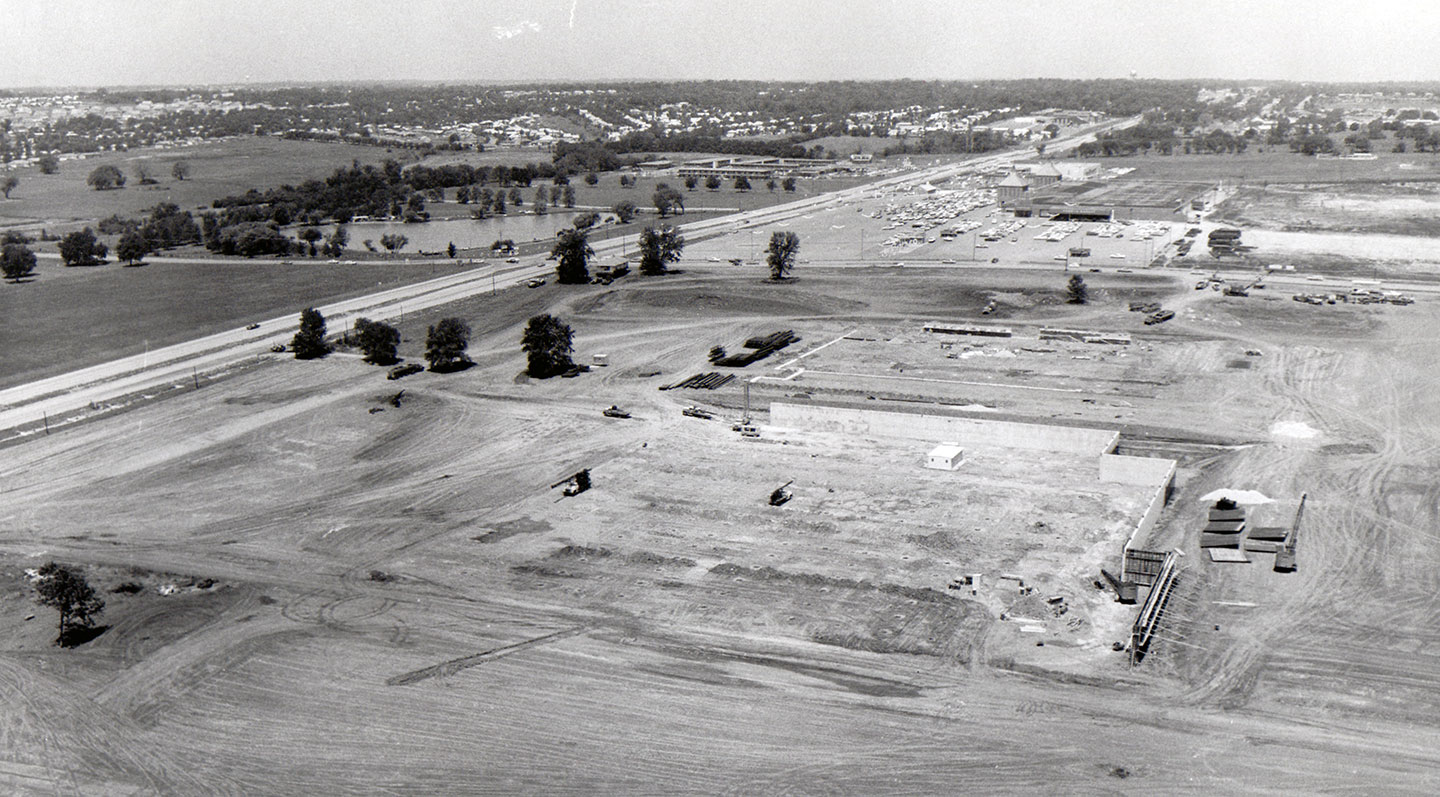
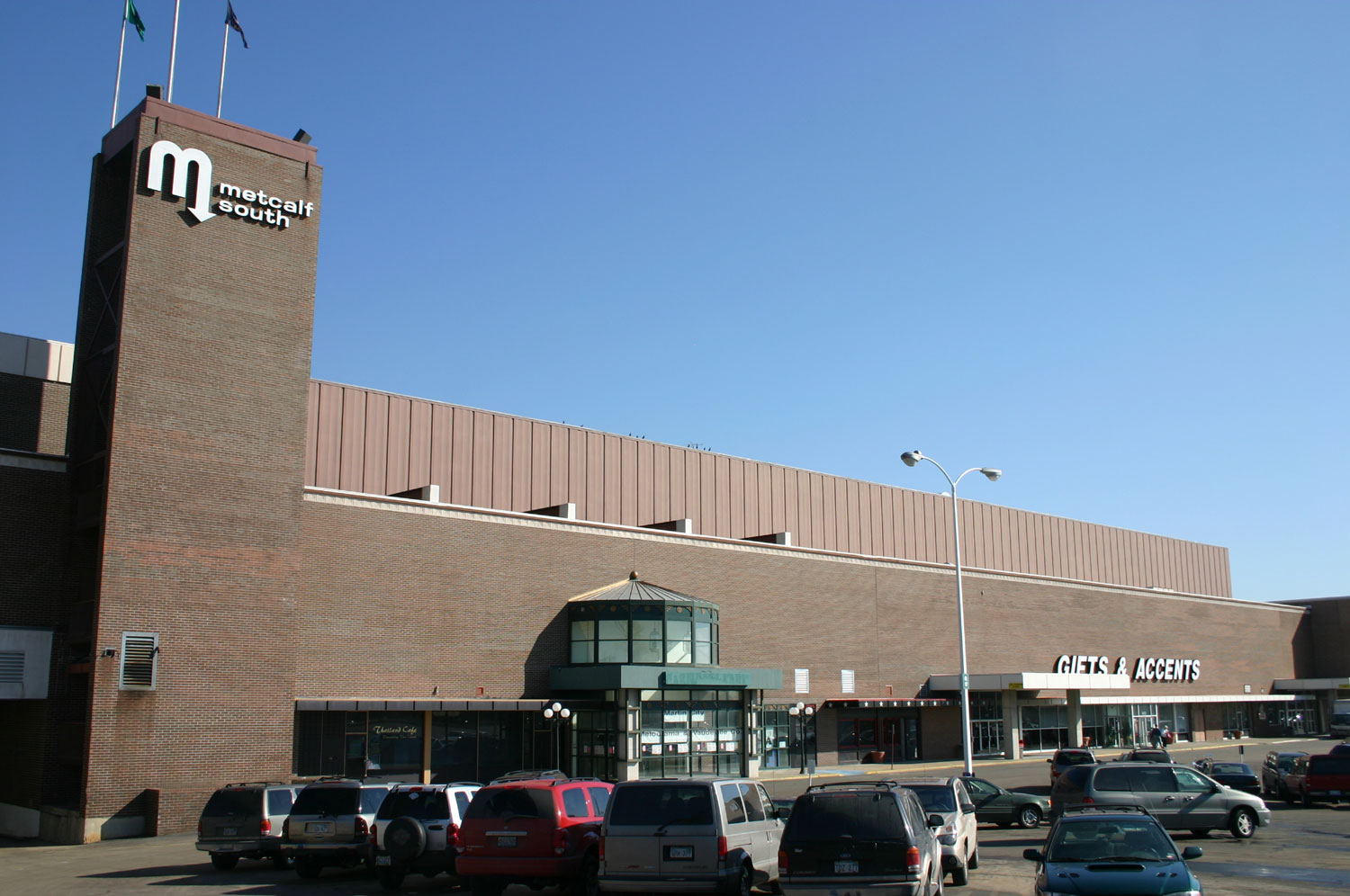
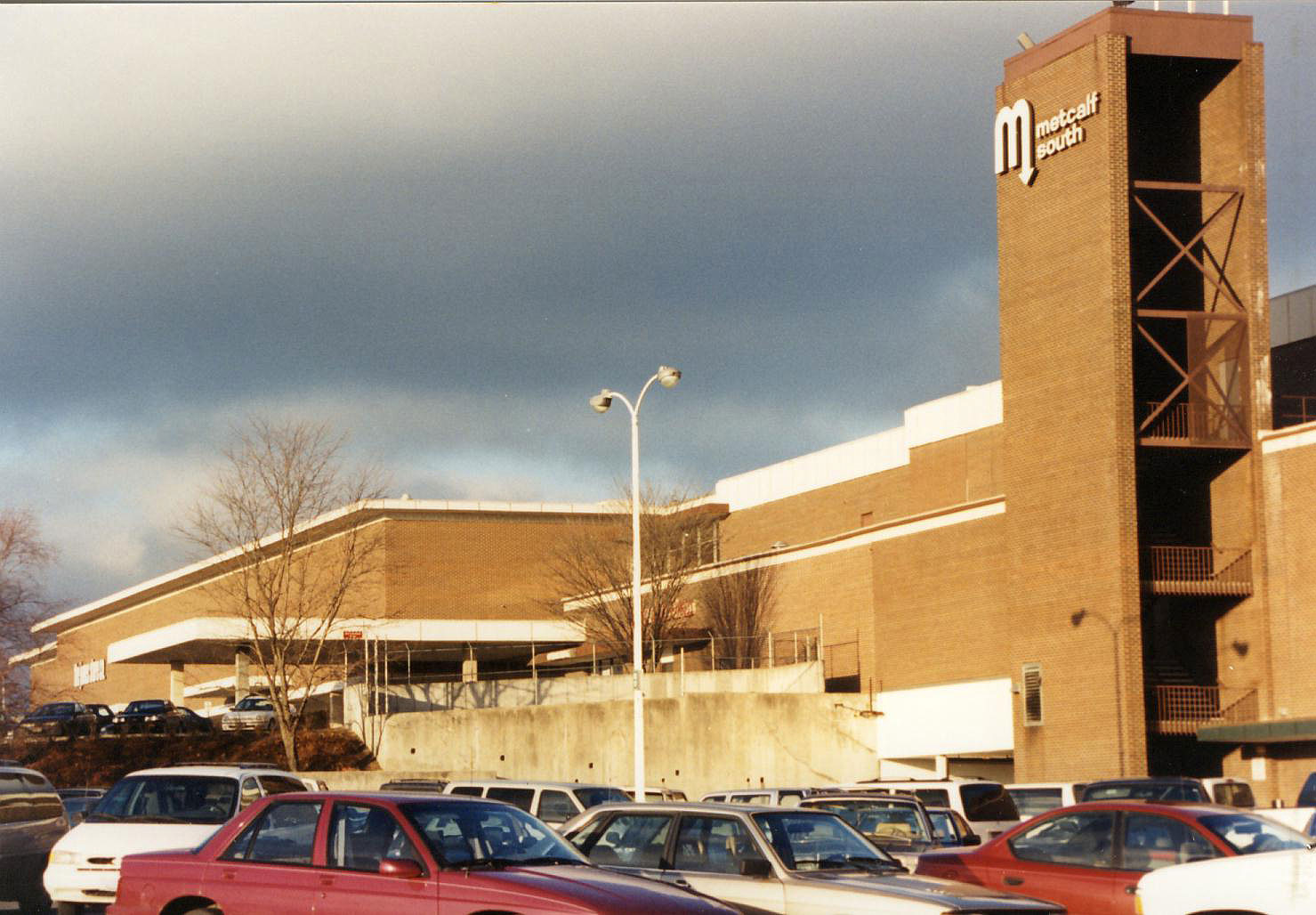
The 1960s and 1970s brought significant development to Overland Park, including many residential subdivisions, Metcalf South Shopping Center, Corporate Woods, Oak Park Mall and the early days of Deanna Rose Children’s Farmstead. During this time, the City built a new City Hall and moved many operations to Santa Fe Drive and Antioch, where City Hall is today.
In the 1980s, Overland Park experienced rapid growth in both residential and commercial development. By 1988, the city’s population had grown to more than 100,000.
Planning for the Future
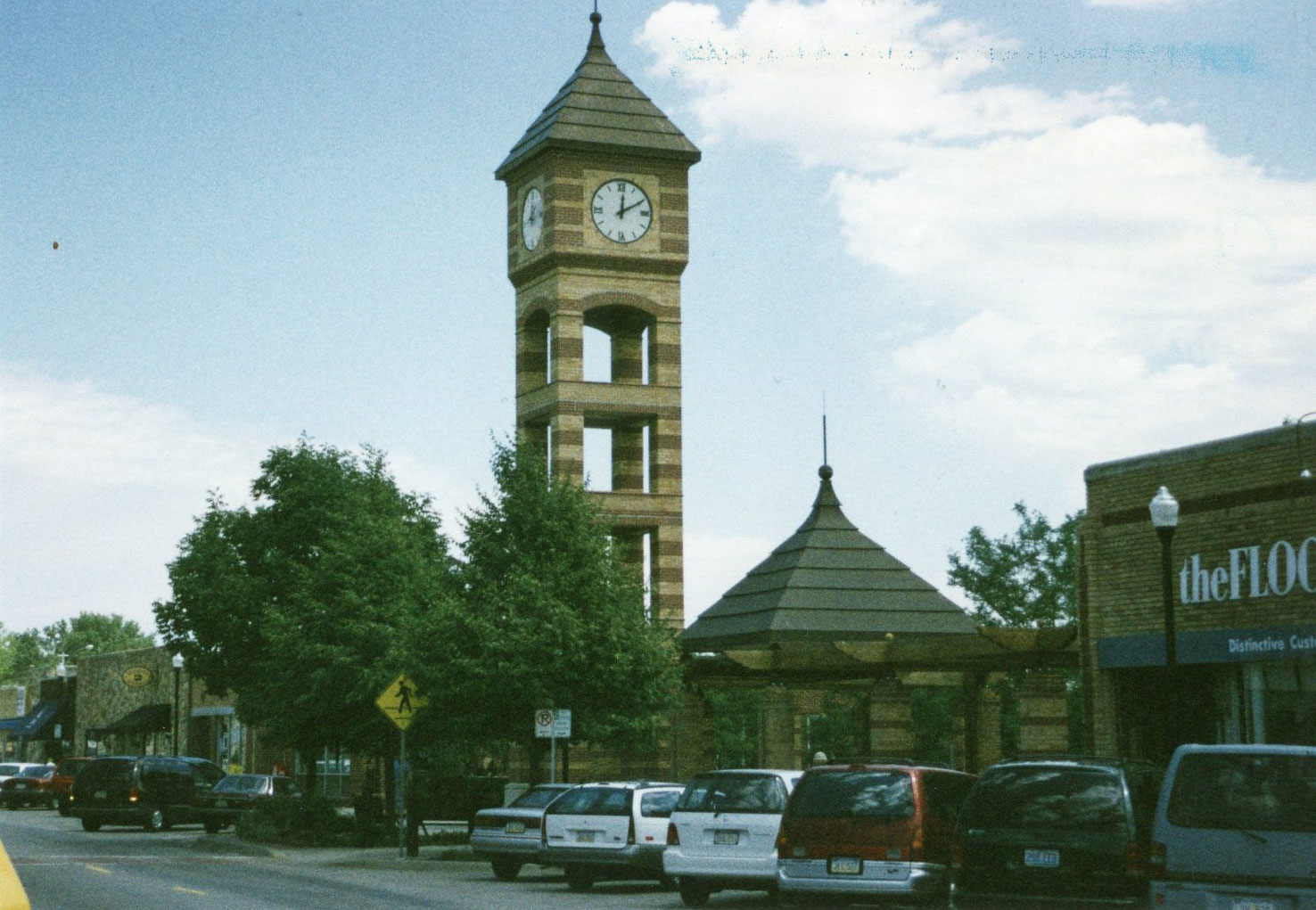
In the early 1990s, City officials focused their efforts on renovating the historic downtown area, dedicating the Clock Tower Plaza and building the Farmers’ Market pavilion. Eventually, this included opening the Matt Ross Community Center at 81st and Marty.
Overland Park continued to grow in the early 2000s until the nationwide recession hit in 2008. During this time, the city began developing a community plan for land use along and near Metcalf Avenue called “Vision Metcalf.” This plan helps guide redevelopment in Downtown Overland Park and areas further south along Metcalf.
In 2017, the community launched a citywide project to look beyond land use and shape Overland Park’s long-term vision. Through public input, Forward OP set goals to guide policy and build a welcoming, engaged, sustainable and connected city with a strong economy.
Historical Locations
Overland Park is home to several historical sites and buildings.
The City does not have any official historical landmarks.
- Blackfeather Farm
Address:
8140 W. 183rd St.
History:
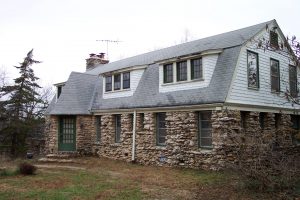
This well-preserved house, built in 1928, sits on a steep rocky ridge above a tributary valley of Wolf Creek. While some changes have been made, the building retains much of its original architectural character.
Most of the nearly 79-acre farm dates from 1928–1930, though the bungalow was built in 1918 and the springhouse in 1947.
Other features include:
- A summer cottage, barn, and chicken shed
- Limestone gate posts, a scenic driveway and a stone wall
- A one-acre lake, natural spring, original lake basin, rock formations,and dam gates/spillway
Before the house was built, the land was linked to the Shawnee Indians. The original land patent was granted to To Wah Pea and her heirs on March 13, 1885. The site was part of the tract owned by the Black Bob band, and Joseph and Johnson Blackfeather were among the heirs, giving the land its Blackfeather name. Most of the Shawnee left during the Civil War due to border raids, and settlers moved in afterward. Land disputes continued for about 20 years.
The Blackfeather house was originally built as a country home and rural retreat for a wealthy Kansas City family, following a popular trend at the time. In 1934, it became the Blackfeather Club and Recreation Corporation, offering fishing and shooting as attractions for corporate retreats. It returned to private ownership in 1947 and has remained in the same family ever since.
- Broadmoor Ranch House Historic District
Location:
Approximately Metcalf to Broadmoor, 68th Street to 69th Terrace
History:
More than 30 homes in this neighborhood are nationally recognized for their mid-20th-century modern ranch-style architecture. These homes have preserved their original location, setting, design, materials and craftsmanship, capturing the look and feel of 1950s suburban neighborhoods.
- E.C. Chase House
Address:
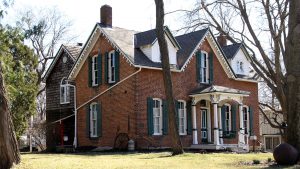
8541 W. 72nd St.
Overland Park, KS 66204History:
Considered by some to be the oldest continuously inhabited home in Johnson County, the E.C. Chase House was built around 1869 by Elijah Cornell Chase.
Born in 1837 to a Quaker family in Providence, Rhode Island, E.C. Chase came from a family that helped establish the Chase Financial Institution and Cornell University. After the Civil War, he purchased a farm on Antioch Road, where he first built a house from walnut timbers. Later in 1869, he added the brick section that still stands today.
The property was originally part of a 60-acre plot. In the 1960s, it was divided into the current development, which now includes many single-family homes.
The house features some Victorian elements and was originally built as a farmhouse. Over the years, it has been altered several times. The two-story brick portion was added to an earlier one-room house in 1869, but that original one-room section no longer exists. Dormers were also added to the exterior, though not all changes have been documented.
- Gleason House
Address:
9205 W. 75th St.
Overland Park, KS 66204History:
Designated a city landmark in 2008, the Bryan Gleason House was reportedly built in 1926 on land originally owned by a Shawnee Indian named Red Carpenter in 1858.
The home is a front-gabled bungalow made mostly of stone, a rare feature for this style.
The north side of the house is covered in EIFS (exterior insulation finish system), which is not original. The back porch has likely been rebuilt, and most of the windows on the rear have been replaced, though most of the other windows appear to be original.
- Morse Church
Address:
15431 Quivira Road
Overland Park, KS 66221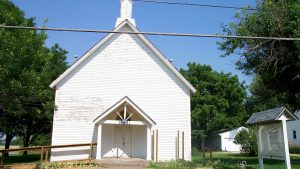
History:
Before the church was built in 1884, members organized as the Methodist Episcopal Church of Morse in 1883 and met at Burr Oak School, located at 151st Street and Switzer Road. They hired architects Divelbiss and Stratton of Olathe to design the building, and George McCaughey of Morse constructed it for $1,927.13, which included the interior furniture and fixtures.
The church is a simple wood-frame building with few decorative features, except for a steeple that rises about five feet above the roof.
It served as a Methodist church from 1884 until 1985, when the property was given to the Blue Valley Historical Society. In 1998, the society transferred the property to the Overland Park Historical Society.
- Overland Theater
Address:
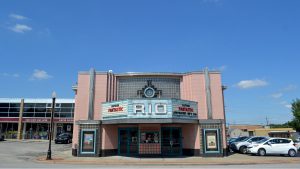
7204 W. 80th St.
Overland Park, KS 66204History:
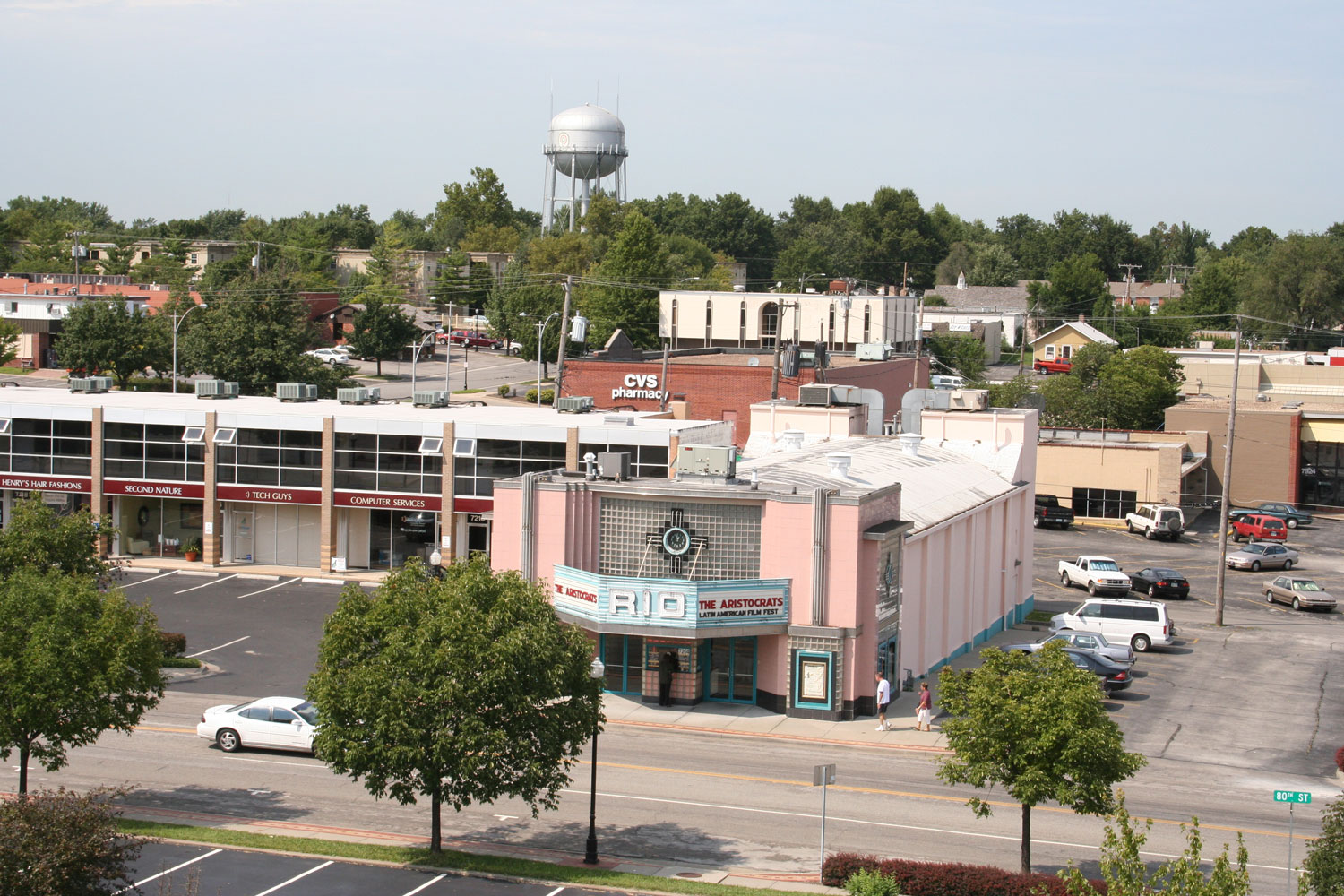
The Historic Overland Theater, built in 1946, opened on Christmas Day with the films “The Hurricane” starring Dorothy Lamour and “In Old California” starring John Wayne. At the time, the sidewalks along 80th Street were wooden, and tickets cost 20 cents for children and 50 cents for adults.
The theater is a striking example of Art Deco design, featuring glass blocks, porthole windows, geometric tile, curved walls, tubular steel decorations, pink neon and mirrored columns. It was designed by Robert Boller, a nationally known movie palace architect.
The theater was once renamed the KIMO South and, in 1977, became home to Theatre for Young America.
In 1988, the city purchased the building to preserve its history. It reopened under private ownership as The Rio Theatre in 2000. Renovations have been made with care to maintain its original look, and the original peach tile and entryway structure remain.
- Strang Car Barn
Address:
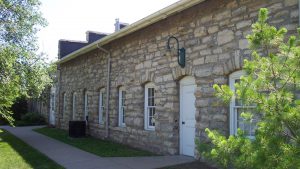 7400 W. 79th St.
Overland Park, KS 66204History:
The Strang Railroad Line played a key role in Overland Park’s growth. In 1905, William B. Strang, Jr., the city’s founder, started a land development company and purchased 600 acres in what is now Downtown Overland Park.
Starting in 1906, he built a 17-mile railroad along the Santa Fe Trail, stretching from Westport in Kansas City, Missouri, to just east of Olathe. Strang was a pioneer in community development, and land values along the railroad increased tenfold over the next 40 years as people settled in homes and small farms nearby.
The Car Barn, built in 1908, served as a power plant to support the railroad’s switch to electric power, housing two generators. The Strang Railroad also brought thousands of visitors to the nearby Aviation Park and airfield and played a major role in the early settlement of Overland Park.
- Strang Carriage House
Address:
8045 Santa Fe Drive
Overland Park, KS 66204History:
The Carriage House was built in the early 1900s by Overland Park founder William B. Strang, Jr., to store his carriages and automobiles and to provide living space for his driver.
Strang owned the building until his death in 1921. His wife and her family maintained ownership until the 1930s, when Tom Riley, Strang’s partner, used it until the Strang Line Railroad ended service in 1940.
The building remained vacant for several decades until the city acquired the property in the 1970s. It was rehabilitated in the 1990s to house the Overland Park Historical Society’s offices.
In 2020, the City of Overland Park began further renovations, including restoring the tile roof and limestone walls, adding cedar beams reminiscent of carriage-house style from that era and updating the interior with walnut bar tops sourced from nearby Sapling Grove Park, a cedar wall backdrop and industrial-style finishes.
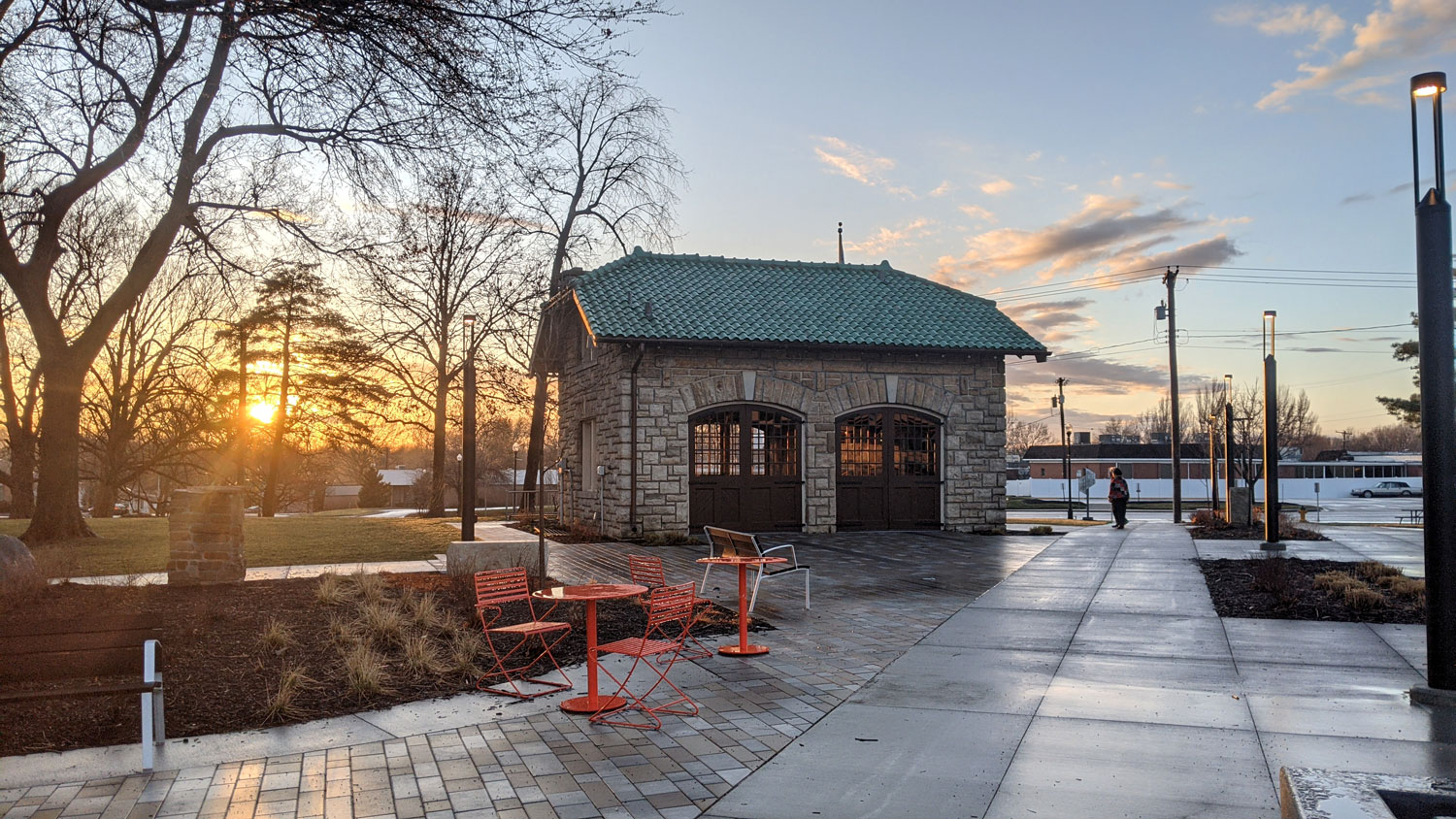
Photo Flashback