
Flooding + Stormwater
Flooding + Stormwater
The city’s storm drainage system includes more than three million linear feet of storm sewer pipe, designed to collect water runoff from rainstorms and melting snow and move it away from buildings and streets.
Crews inspect safety grates on inlets and box culverts. Blockage cleanouts and repairs ensure water flows directly into the storm drainage system.
It is against Overland Park ordinance to place leaves or dispose of household hazardous waste in the storm drainage system.
Report a Problem
Report a flooding problem, illegal floodplain development, including filling and construction or dumping in the streams or drainage system, by submitting a request through the city’s online customer service tool, OPCares.
Residential Flooding
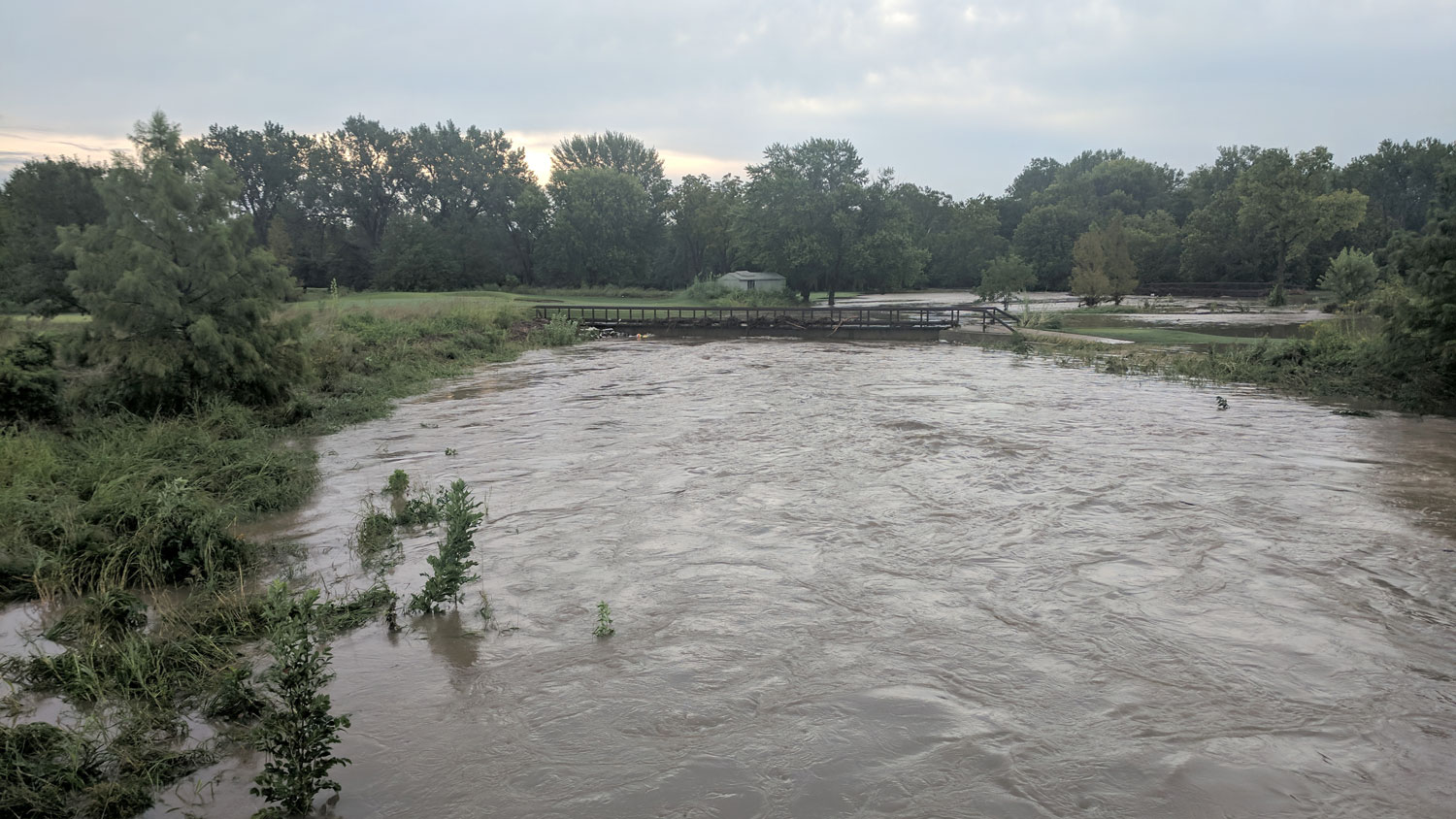
About seven percent of Overland Park’s total land area is in a Federal Emergency Management Agency-designated floodplain.
Although much of this land includes parks, streamway corridors and open space areas, some older neighborhoods are in a floodplain. More than 400 buildings in Overland Park are located in floodplains.
The floodplain map can help determine if your home or business is in a flood zone. You can also use the flood map information service by calling 913-895-6223 or emailing [email protected].
Flood Insurance
Federal law requires flood insurance for any building in the floodplain financed with a federally backed loan. If your lender purchased this policy, check that you have both structure and contents coverage. Most flooding damage happens to your contents. Call your agent to discuss your coverage and any limitations.
Overland Park participates in the National Flood Insurance Program by enforcing floodplain regulations that limit development of our floodplains. NFIP flood insurance is available throughout Overland Park, and because the city participates in FEMA’s Community Rating System program, NFIP premiums are discounted. Don’t wait to buy; most policies have a 30-day waiting period before they take effect.
Many buildings that flood are not in a mapped flood zone. You can buy flood insurance through a local insurance agent, no matter what flood zone you are in. Contents coverage is available for renters.
To find out what flood zone your home or business is in, you can use the city’s interactive floodplain map or contact the Engineer of the Day at 913-895-6223 or [email protected].
Building in the Floodplain
Whenever possible, Overland Park recommends building outside the floodplain. If your project must be located within a floodplain, keep the following in mind:
- Your structure must be elevated appropriately.
- Flood insurance is required. Most homeowner’s policies do not include flood coverage, so contact your insurance agent or visit floodsmart.gov for details.
- If your home is substantially damaged by flooding, fire, wind or another cause, your flood insurance policy may include Increased Cost of Compliance coverage to help with rebuilding expenses.
- Grading, filling, new construction, home modifications and similar work in the floodplain require a floodplain development permit.
- Elevate your furnace, water heater, electrical panel and exterior air-conditioning unit.
- Consider installing check valves to prevent floodwater or sanitary sewer backups.
- Avoid finishing your basement. If you do, use flood-resistant materials.
Repairing Your Home After a Flood
If your home has flooded, the City and your insurance agent need to inspect your property to document damage before repairs are made. A floodplain development permit or building permit may be required for repairs. The Red Cross provides extensive advice on how to make repairs to flood-damaged buildings.
StormWatch
StormWatch is the City’s weather and flood warning system.
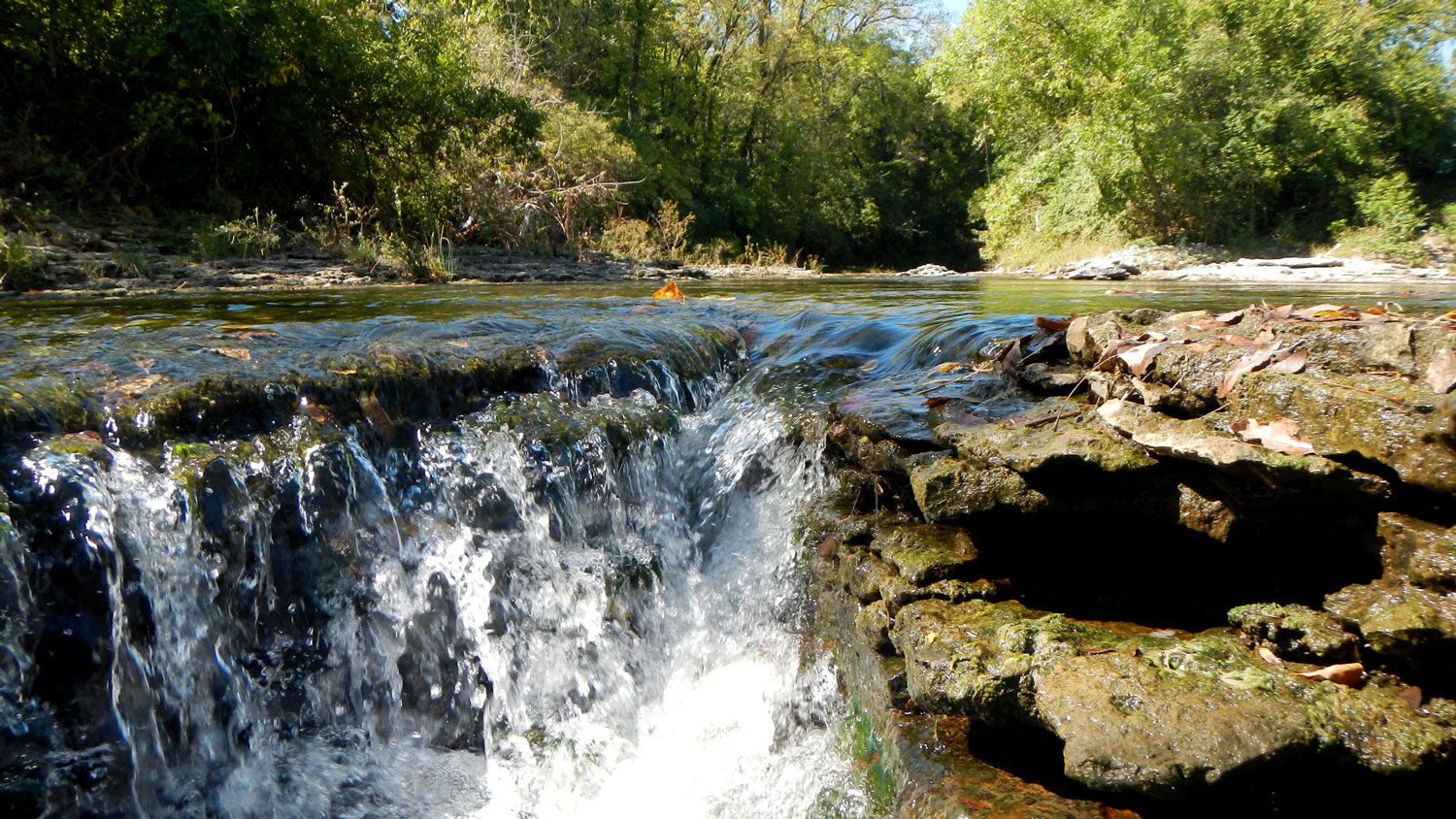
The system allows users to monitor remote weather stations in real time to access rainfall data, stream levels, temperatures, pavement status and more to provide information about current creek conditions. You can access river gauges to follow the predicted crest height and historic flood levels for all streams within city limits, including Indian Creek, Tomahawk Creek and the Little Blue River.
Flooding Safety
Floods are one of the most common natural disasters in the U.S.
The following precautions can save a life in a flood:
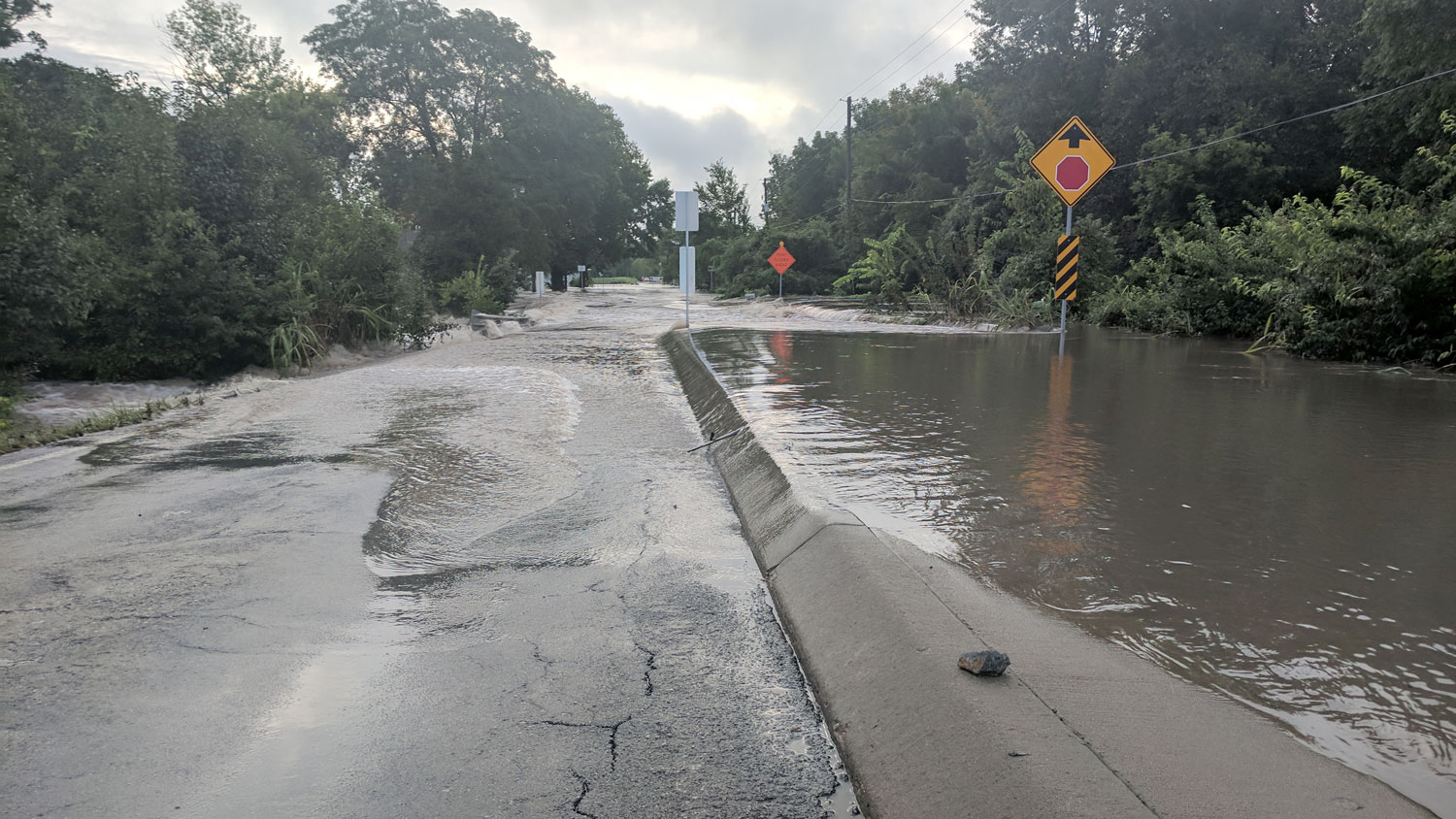
- Do not walk through flowing water. Six inches of moving water can knock you off your feet.
- Turn around, don’t drown. Do not drive through flood waters. As little as 12 inches of rapidly moving water can wash a vehicle off the road.
- Stay away from power lines and electrical wires, and avoid flooded basements. Water may be energized due to contact with a house electrical panel or other source.