Smoke Alarms

Smoke alarms play a crucial role in fire prevention by providing early warnings that can save lives and minimize property damage. These devices detect smoke and alert occupants to potential fires before they spread, giving people valuable time to evacuate or take action to extinguish small flames. 

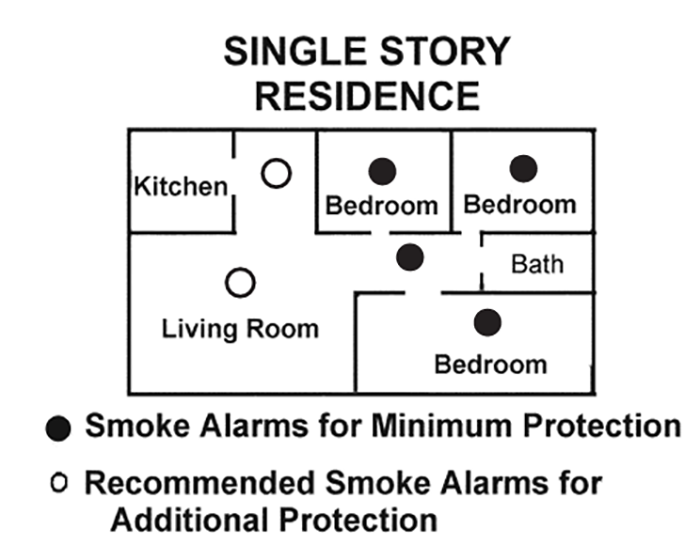
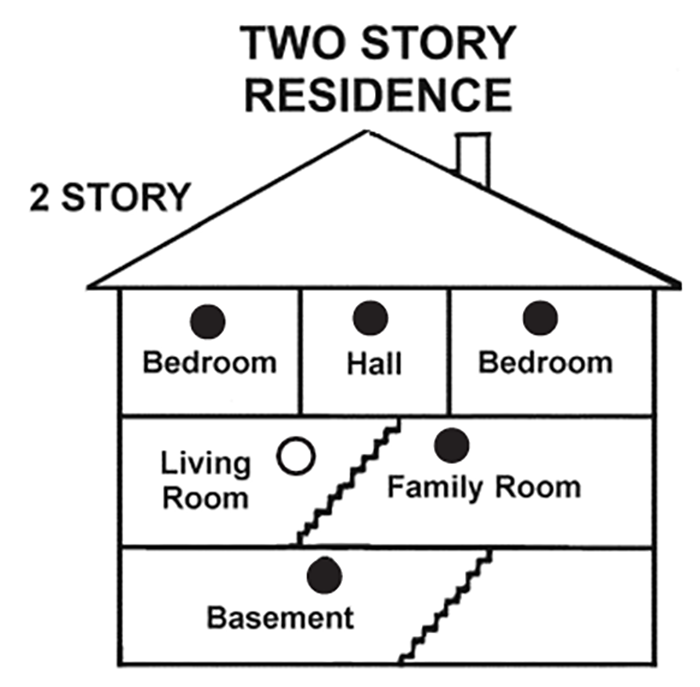
Many fires start at night when people are asleep, making smoke alarms essential in waking residents before smoke inhalation becomes dangerous. Regular maintenance, such as testing alarms and replacing batteries, ensures alarms function properly. By installing smoke alarms in key areas of a home or building, individuals can significantly reduce the risk of fire-related injuries and fatalities. 

Smoke Alarm Statistics

  • About three out of five fire deaths happen in homes with either no smoke alarms or no working smoke alarms.
  • 38% of home fire deaths happen when there are no smoke alarms present.
  • Working smoke alarms cut home fire fatality risks in half.

Home Safety Tips

  • Use interconnected smoke alarms so that when one smoke alarm sounds, they all sound.
  • Test smoke alarms once a month. Press and hold the test button until you hear it beep to ensure it is working properly.
  • If your smoke alarm is battery-powered, change the 9-volt battery every six months.
  • Change your smoke alarm 10 years from the manufacturing date. 
  • Close before you doze. Sleeping with your bedroom door shut can slow the spread of smoke, heat and fire. 
  • Keep an eye on what you fry. Never leave cooking unattended!

Locations to Avoid

  • The garage – products of combustion are produced when you start your vehicle and may trigger your smoke alarm.
  • Near appliances or areas where normal combustion regularly occurs (kitchen appliances, near furnaces, gas hot water heaters).
  • Near areas with high humidity, like bathrooms or near dishwashers or washing machines. Install at least 3 feet away from these areas.
  • In areas of turbulent air, such as air returns or heating and cooling supply vents. Smoke alarms should not be located where airflow prevents smoke from reaching the alarms.
  • In extremely dusty, dirty or insect-infested areas. Loose particles interfere with the smoke alarm’s operation.
  • In areas where temperature may fall below 40 degrees Fahrenheit or above 100 degrees Fahrenheit.
  • Closer than 12 inches from fluorescent lights, electrical noise and flickering may affect the alarm’s operation.
  • Closer than three feet from the tip of the blade of a ceiling fan.
  • On a poorly insulated ceiling or exterior wall (mount the smoke alarm on an inside wall).

Develop and Practice a Safety Plan

  • Make a floor plan indicating all doors and windows and at least two escape routes from each room. Second-story windows may need a rope or chain ladder.
  • Discuss your escape plan with your family, showing everyone what to do in case of fire.
  • Determine a meet-up location outside of your home to reconnect after evacuation.
  • Familiarize everyone with the sound of the smoke alarm and train them to leave your home when they hear the sound. Identify children’s bedrooms with red stickers placed in the upper left corner of the windows. Stickers are available at your local fire station.
  • Practice a fire drill every six months to test your plan before an emergency. You may not be able to reach your children. It is important they know what to do!

When the Alarm Sounds

  • Leave immediately and follow your escape plan.
  • Don’t open any interior door without first feeling its surface. If it’s hot, or if you see smoke seeping through cracks, don’t open that door! Instead, use your alternate exit. If the interior door is cool, place your shoulder against it, open it slightly and be ready to slam it shut if heat and smoke rush in.
  • Stay close to the floor if the air is smoky. Breathe shallowly through a wet cloth if possible.
  • Once outside, go to your designated meeting place.
  • Call the fire department from your neighbor’s home – not your own!
  • Don’t return to your home until fire officials determine it’s safe.

Smoke Alarms Installed by OPFD


The Overland Park Fire Department installs battery-operated smoke alarms, carbon monoxide detectors and specialized detectors for residents meeting certain eligibility requirements, such as income level, age or accessibility needs. If you have family members who can assist or the resources to hire someone to maintain your alarms, we encourage you to do so. If not, we’re happy to help with annual battery replacements in your smoke alarms. Please note that we do not service hard-wired smoke alarm systems.

Maintenance Tips for 10-year Lithium-Ion Battery-Powered Smoke Alarms

Monthly Testing

Press and hold the test button until the alarm sounds. Click once to stop the test. Make sure the alarm is loud and easy to hear. If it sounds weak or doesn’t go off at all, the unit may be faulty or due for replacement.

Avoid using real smoke or an open flame to test the alarm—it’s dangerous and not needed.

Keep It Clean

Gently vacuum around the alarm every six months to remove dust buildup. Do not use water or cleaning products, as these can damage the unit.

Watch for Issues

Watch for blinking lights or warning chirps. These can indicate a problem. If the chirping continues, the alarm may need to be replaced, even if it’s less than 10 years old.

Know the Expiration Date

Check the manufacture or expiration date, usually printed on the back of the alarm. Replace the entire unit after 10 years. The sealed battery can’t be replaced.

Don’t Tamper with the Battery

Never try to open or replace the battery—it’s sealed for safety.

Additional Information

Please refer to the manufacturer’s website or manual for your alarm’s safety instruction guide.