
Residential Fire Safety
Residential Fire Safety
Fire safety starts with awareness.
Knowing how to prevent, prepare for and respond to a fire can save lives and property. Whether you’re learning how to install smoke alarms, practicing your escape plan or safely using space heaters, this page offers essential tips and resources to help keep your family and home safe.

Home Escape Plans
An effective escape plan can save lives during a fire. Follow these steps from the National Fire Protection Association to create a plan:
- Walk through your home with your family, and draw a map of the building.
- Determine two safe routes out of each room in your home, and be sure those points are not blocked.
- Choose an outside meeting place, a safe distance from your home, where everyone will meet once they’ve evacuated.
- Make sure your house number is visible from the road so emergency personnel can find your home.
- Assign someone in the home to assist infants or anyone with mobility issues in an emergency.
- If you or your child sleeps on the top floor in a multi-story home, we recommend purchasing an escape ladder to hang outside of the window in case of a fire.
- Practice evacuating twice a year.
Family Protection
Children
Children playing with matches, lighters and fires cause deaths and injuries every year. Young children are most likely to start fires inside the home.
The following safety tips will help your children understand the danger of playing with fire:
- Store matches and lighters out of the reach of children.
- Use lighters with child-resistant features.
- Teach young children to tell an adult if they see matches or lighters.
- If your child expresses curiosity or interest in fire, explain that matches and lighters are for adults only.
- If necessary, take advantage of OPFD’s Juvenile Firesetters Program.
Before permitting your child to sleep over at a friend’s house, make sure they have working smoke alarms and an escape plan in case of a fire.
Older Adults
Adults 65 years and older are more likely to die in a fire. Older people can reduce their risk of death and injury by following these steps from the National Fire Protection Association:
- Sleep on the ground floor of your home.
- Make sure smoke detectors work and will wake you if you’re asleep.
- Conduct regular fire drills.
- Make sure you’re able to open the doors and windows in your home.
- Keep emergency numbers in an easy-to-access place.
File of Life
The Overland Park Fire Department provides the File of Life document free of charge.
Download and print this document to ensure emergency medical services that arrive at your home have your medical information on hand. Place the completed form on your refrigerator or in a common space in your home so it’s easily accessible.
Smoking Safety
Careless disposal of cigarettes is a leading cause of fires and violates city ordinance.
If you smoke:
- Smoke outside and at least 10 feet away from any building.
- Do not smoke on decks or balconies.
- Stay alert. Do not smoke if you are tired, have taken medicine or consumed alcohol.
- Never smoke in bed or in a home with oxygen tanks.
- Use deep, wide ashtrays on a sturdy table.
- Before you throw out butts and ashes, make sure they are out. Dousing in water or sand is the best way to do that.
Littering
Don’t start a flicking fire! Littering cigarette butts is harmful to the environment and causes wildfires. It is a violation of city code to litter, including cigarette butts. Do not throw or drop litter onto any highway, road or street.
Drivers may be cited for any litter left behind from a vehicle unless another person in the vehicle admits or is identified as having committed the act.
Cooking Safety
Cooking is the top cause of home fires and home fire injuries. Unattended cooking causes most fires in the kitchen. To avoid a kitchen fire:
- Be alert. Don’t cook if you’re tired or have been drinking.
- Never leave food unattended.
- If you are cooking a slow-roasting meal, such as a Thanksgiving turkey, stay in the house.
- Use a timer to remind yourself that food is cooking.
- Keep flammable materials like oven mitts, wooden utensils and food packaging away from the stove and oven.
- Keep children at least 3 feet away from the stove and oven, and when cooking with a pan, turn the handle inward to prevent spills.
- Keep the kitchen floor and counters clear of clutter.
- Keep electric appliance cords from dangling off the edge of the counter to prevent being pulled down by children or getting caught on clothing.
- Keep a lid nearby when you’re cooking to smother small grease fires. If a small grease fire ignites, slide the lid over the pan and turn off the stove.
- Use a firestop device under your range hood or microwave to release a non-toxic fire-suppressing powder if a fire does start.
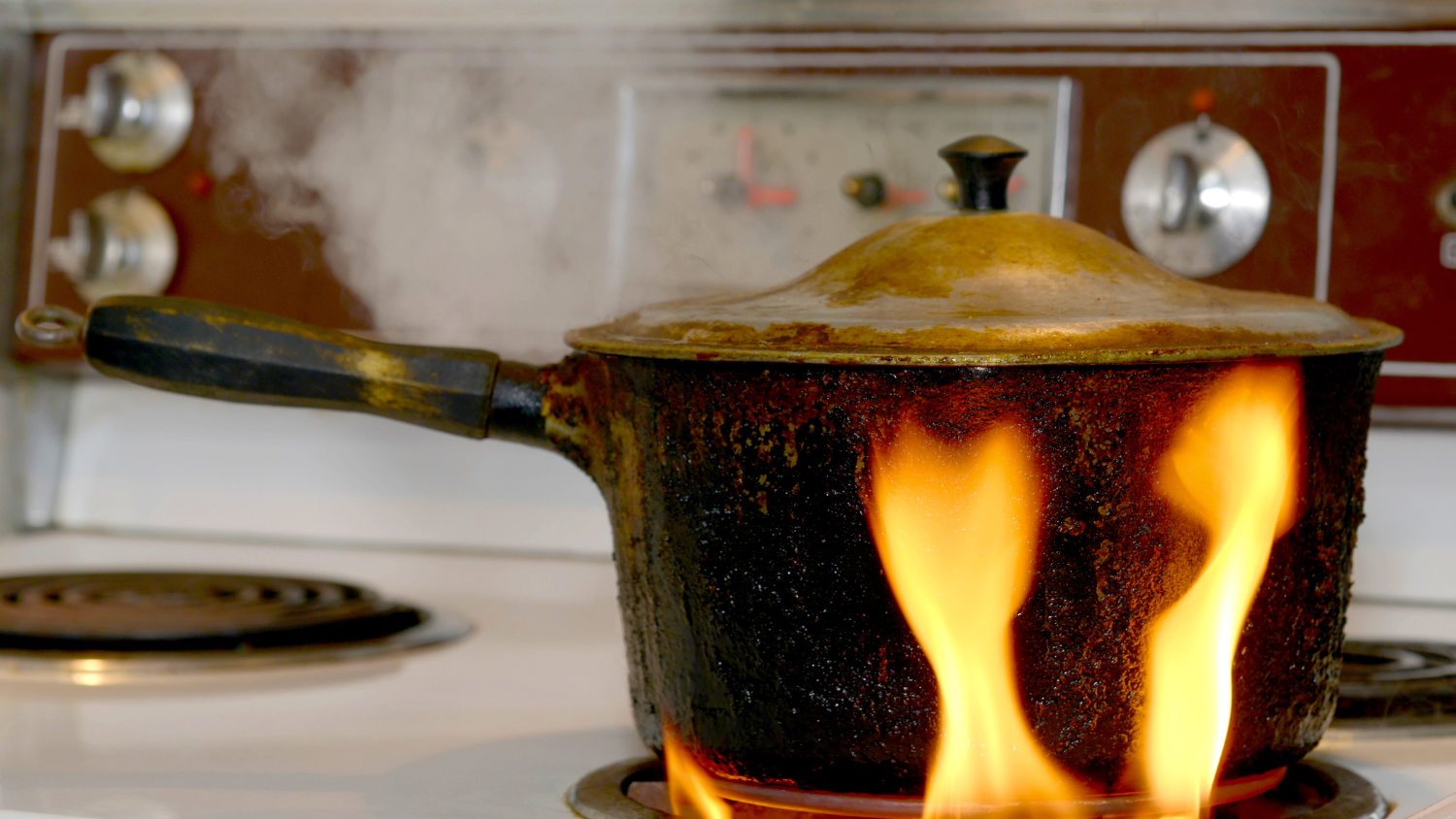
Kitchen Fire
If you have a kitchen fire:
- Get out of the house. Close the door behind you to help contain the fire.
- Call 911.
- If you do try to fight the fire, make sure others get out of the house and you have a clear way out.
- If a fire starts in the oven or microwave, turn off the appliance and keep the door closed. The lack of oxygen will slowly put out the fire.
Barbeque Grills
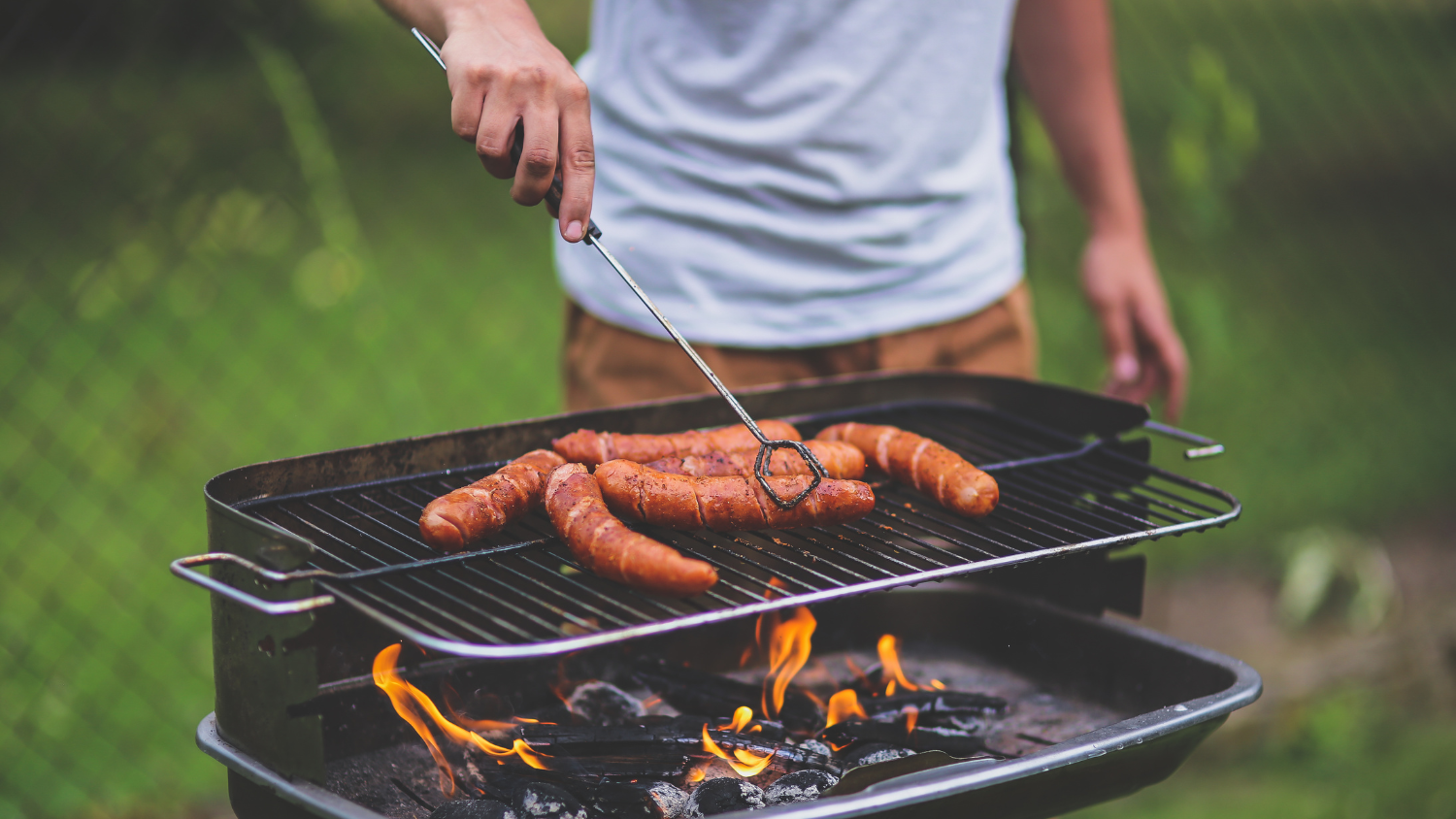
Never use grills indoors or in garages. Grills should always be used outdoors and away from building structures. Position them well away from siding and deck railings and out from under eaves and branches. Periodically remove grease from the tray below the grill.
City code prohibits those living in apartments and condominium communities from using gas or charcoal grills within 10 feet of the building or any other combustible construction unless that building has an automated sprinkler system.
Fryers
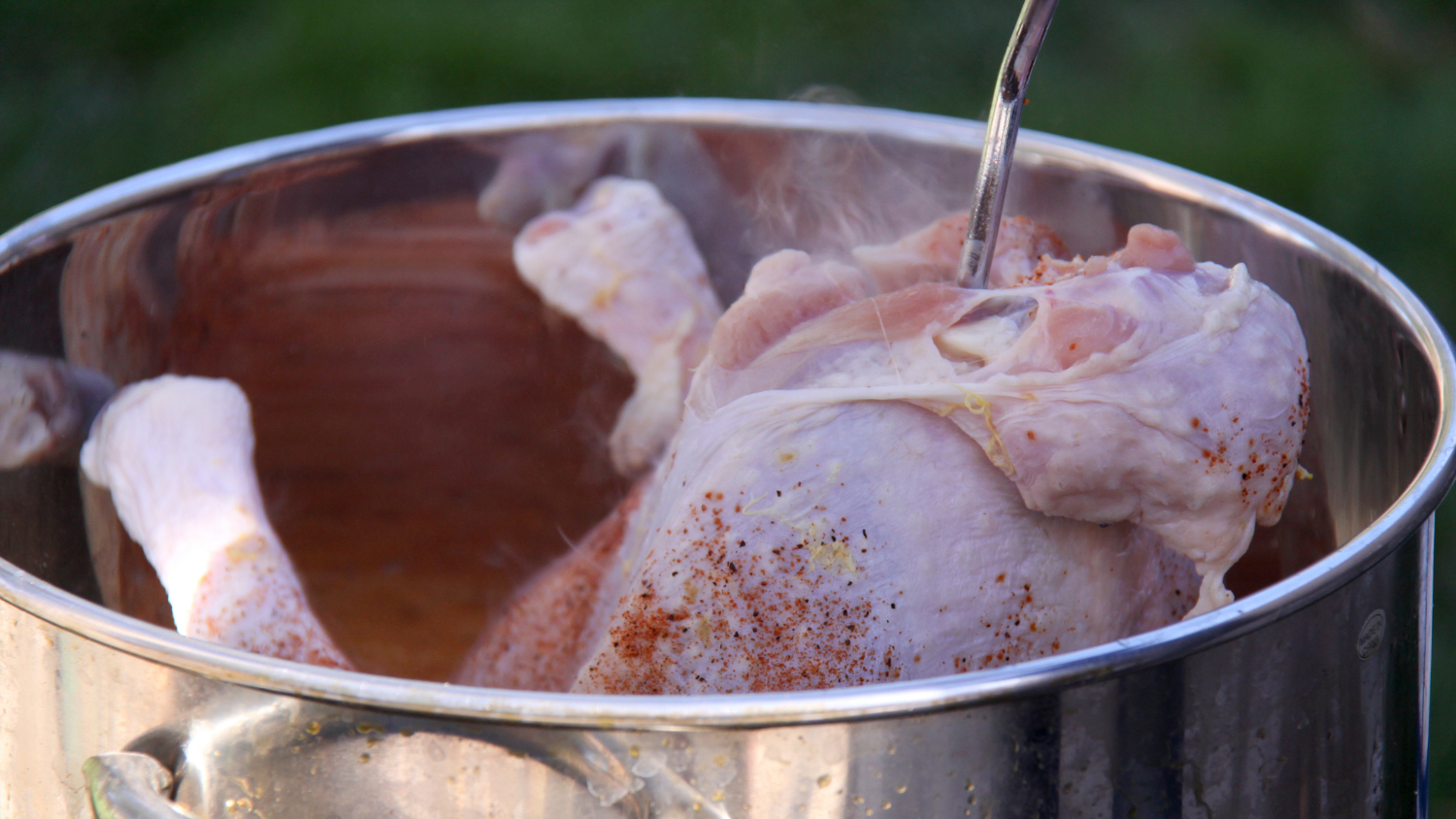
Fryers present an additional danger, because they can tip over, easily overheat and are prone to splattering. If you use a turkey fryer, follow these tips to be as safe as possible.
- Make sure turkeys are completely thawed before using a fryer.
- Use fryers outside only, on a sturdy surface away from flammable materials.
- Don’t overfill the fryer with oil. Determine the correct amount of oil ahead of time by placing the turkey in the pot with water.
- Check the temperature often so the oil doesn’t overheat.
- Use long cooking gloves that protect both your hands and arms when you handle the fryer, lid, or handles.